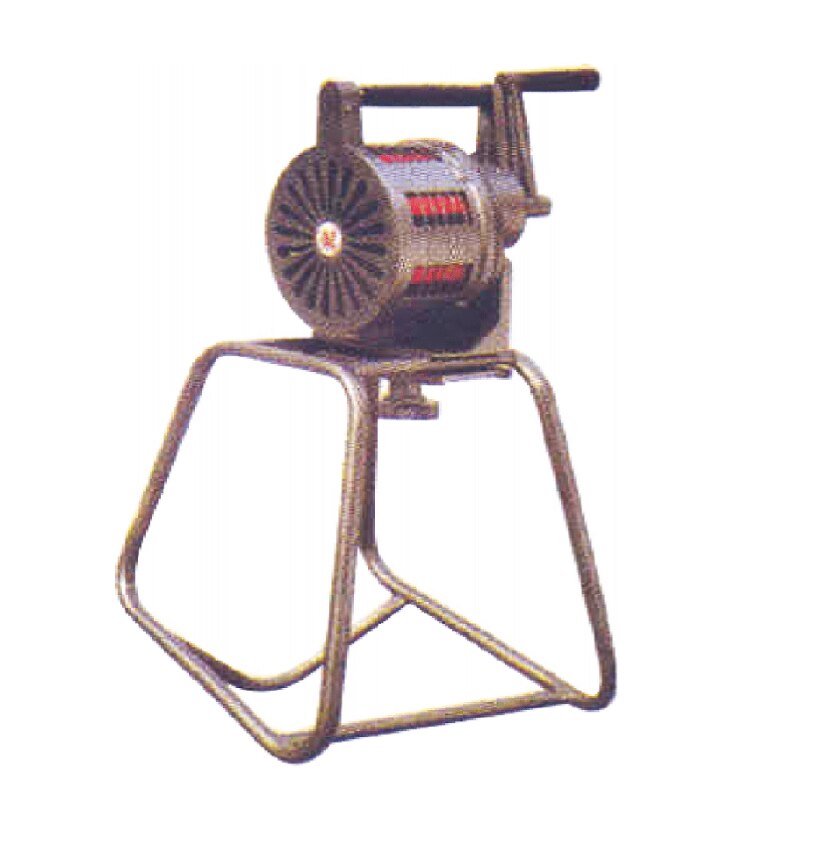
A hand-operated siren can warn people when a temporary site alarm fails or a local work area needs immediate attention, but it does not automatically satisfy a building’s fire-alarm design. You will be able to decide when it is acceptable in Delhi, define who activates it, test whether workers can hear it, and build it into an evacuation procedure without treating it as a substitute for detection or supervised alarm equipment.
Key takeaways
- Use a manual siren only after confirming Delhi building requirements and risk controls.
- Test audibility from workshops, plant rooms, toilets and outdoor work areas.
- Assign activation authority, evacuation routes, roll-call duties and emergency contacts.
- Record the siren specification, sound test results, drills and maintenance checks.
When a manual siren is acceptable in a Delhi commercial building
No, not by default. A manual siren for tradespeople cannot automatically serve as the main commercial evacuation alarm in a Delhi building.
Use it as a local or backup warning unless the approved fire-safety design and the authority having jurisdiction expressly accept it as the alarm appliance under the National Building Code of India 2016, Part 4, and the building’s Delhi Fire Service approval conditions.
A commercial evacuation siren for tradespeople is acceptable as supplementary equipment only when the site can demonstrate all of the following:
- The approved fire strategy identifies its role and does not replace required detection, fire alarm, voice-communication or emergency-action systems.
- The siren has a fixed, signed position with unobstructed access, plus a named operator and substitute.
- Its evacuation signal is distinctive, documented and taught during induction and toolbox training; do not use a tone already assigned to vehicles, shifts or production.
- Workers can hear and recognise it throughout every occupied zone during recorded drills and tests.
A manual siren detects nothing. It will not identify smoke, heat, flame or lithium-ion battery thermal runaway, so workshops, warehouses, EV-battery areas and charging locations still need suitable detection, emergency lighting, routes and hazard-specific firefighting equipment.
It remains useful during mains failure or temporary alarm-panel failure, but only as a tested fallback—not as a blanket legal substitute for the approved system.
How to prove workers can hear and recognise the warning
Do not rely on a hand siren for construction sites in Delhi until a live test proves that every occupied work area can hear it and identify its meaning during normal operations. A siren that sounds clear at the gate can disappear behind concrete slabs, hoardings, scaffolds, temporary partitions, generators or closed doors.
1. Test while machinery, generators and ventilation systems are running. Walk the full site and record the quietest occupied point, including basements, stairwells, welfare areas, plant rooms, enclosed work areas and isolated work fronts.
2. Measure the siren at those points using the agreed sound-level meter, distance and test method. Set a minimum measured sound level for the quietest occupied location; “long range” and “industrial grade” are not acceptance criteria.
3. Ask workers from different trades to identify the signal without prompting. Confirm that they know it means stop work, leave by the designated route and report to the assembly point—not merely that they heard a noise.
4. Repeat the test after moving hoardings, erecting scaffolds, adding partitions, changing plant locations or opening a new work front. Construction geometry changes the result.
5. Check that hearing protection, enclosed cabins and noisy tasks do not prevent recognition. Provide a visual or other warning for workers who cannot hear the siren.
Keep the signed test map, measured results, worker responses and corrective actions with the emergency plan. A manual siren has no automatic initiation or alarm event record, so a successful sound test does not prove compliance with the approved fire-alarm design.
Who activates the siren and what happens next
Anyone who discovers fire, smoke, a chemical release or another immediate danger must raise the alarm without waiting for a fire warden, provided the site emergency plan gives workers access to the manual siren.
A manual siren for industrial workers in Delhi is a warning device, not a smoke detector or a replacement for a supervised fire-alarm system.
- Stop the task and warn people nearby. Activate the manual siren from a safe position; do not enter smoke or cross a fire to reach it.
- Call the site control point and emergency services on 112. Give the exact building, floor, work area, hazard and safest access route.
- Leave by the signed escape route. Close doors behind you if this does not delay escape, and never use a lift during a fire.
- Isolate electrical, charging or process equipment only if the emergency plan authorises it and you can do so without approaching the hazard.
- Use an extinguisher only if you are trained, the fire is small, you have the correct extinguisher and a clear exit remains behind you. Withdraw immediately if heat, smoke or fire growth blocks that route.
- Report to the assembly point. Supervisors or wardens must account for employees, contractors and visitors and report anyone missing to responders.
The person who sounds the siren must not stay behind to manage the evacuation. Deaf workers, hearing-protection users and people inside machinery enclosures also need the site’s visual, vibrating or radio notification method.
How to control misuse and manage the evacuation
Name a primary alarm operator and a trained substitute on each shift; do not leave activation to whoever happens to hold the key. Place the hand- or crank-operated siren in a fixed, signed, unobstructed location, and document that its sound means “evacuate,” not a shift change, vehicle movement, or production warning.
Restrict routine access without blocking emergency use, and investigate every activation.
- The person discovering fire, smoke, or another emergency raises the alarm immediately, using the siren or manual call point specified in the emergency plan.
- The alarm operator or substitute confirms the signal, calls the emergency services, and announces the evacuation through the approved communication system.
- Workers leave by the assigned routes and report to the assembly point; supervisors account for employees, contractors, and visitors.
- A trained person isolates electrical, battery-charging, or process equipment only when the action is safe and does not delay escape.
- Trained fire-fighting personnel withdraw when smoke grows, the route becomes threatened, or the fire cannot be controlled at once.
A commercial evacuation siren for tradespeople does not notify everyone. Add visual beacons for deaf or hard-of-hearing workers, vibrating or personal notification for people wearing high-attenuation hearing protection, and radio messages or a staffed sweep for noisy machinery enclosures.
Record these arrangements in inductions and toolbox talks, and use a distinctive documented tone rather than one shared with production signals.
What to put in the purchase specification and test record
Request evidence that proves the siren suits your site, not a brochure claiming “long range” or “industrial grade.” For a manual siren for tradespeople, used in commercial emergency evacuation in Delhi, acceptance must also remain subject to the approved fire-safety design and Delhi Fire Service conditions.
It is a backup warning appliance, not proof of compliant detection or voice evacuation.
1. A manufacturer datasheet naming the model, operating method, declared sound output, operating time, weather and dust protection, materials, carrying or mounting arrangement, and inspection instructions.
2. A site-specific coverage statement showing the intended area, the quietest occupied point, the minimum sound level required there, the test method, and the instrument used. “Half-kilometre range” alone is not an acceptance criterion; buildings, machinery and partitions change what workers hear.
3. A demonstration record showing the siren operated for the specified period from its fixed, signed and unobstructed location. Record the date, time, location, operator, measured dB(A), instrument identification and calibration status, result, and every corrective action.
4. Written confirmation of the distinctive signal, its meaning, and the induction or toolbox-training record. Reject a continuous tone that workers already associate with shifts, vehicles or production.
5. The supplier’s batch or serial number, delivery inspection record, warranty terms and recommended inspection interval.
If you compare equipment from United Fire Equipment Pvt Ltd, apply this same evidence checklist to each model rather than accepting its stated distance as proof of suitability.
For a manual siren for industrial workers in Delhi, retain the signed test record with the emergency plan and repeat it after relocation, construction changes or a failed test.
Related products
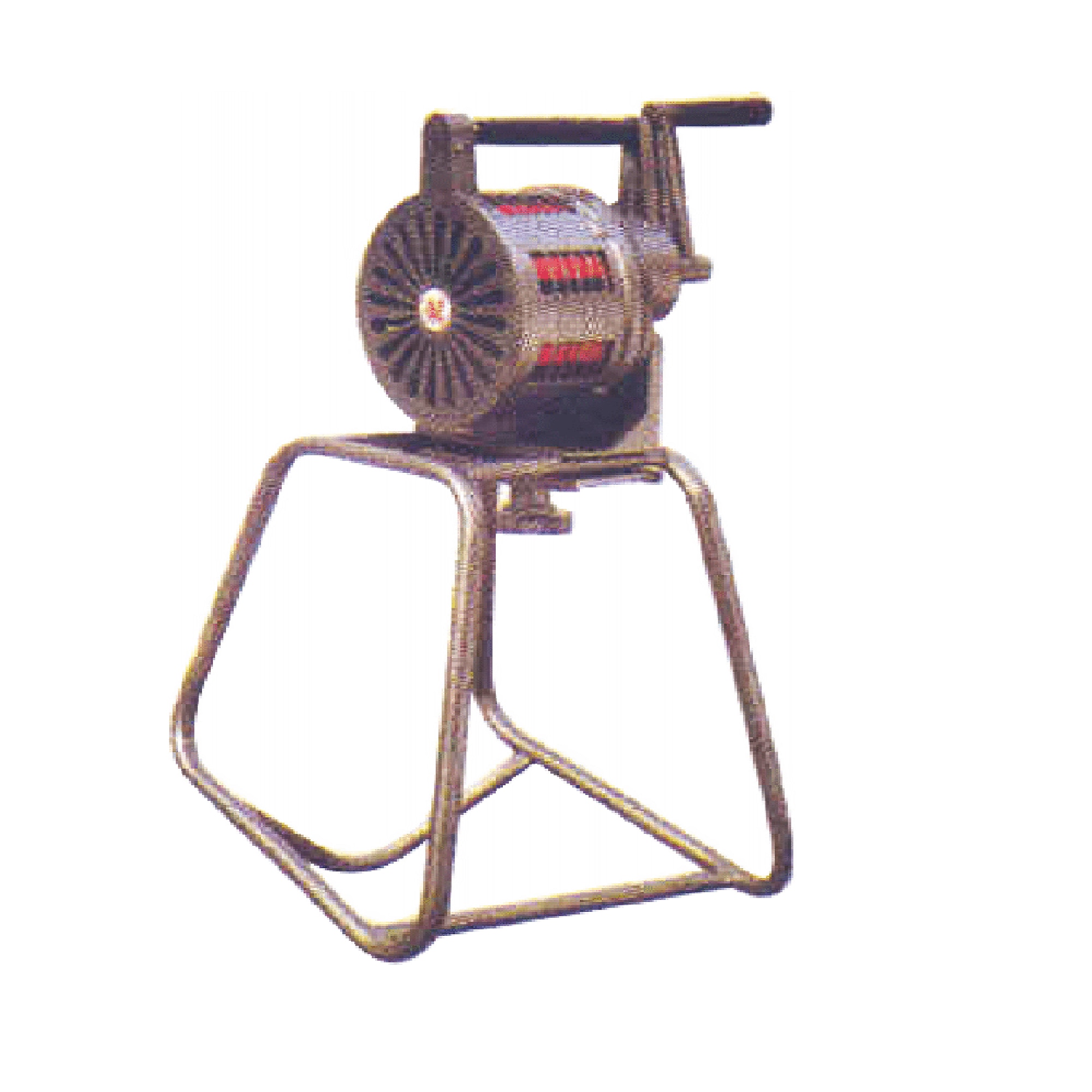 | Evacuation System LG-519A HAND OPERATED MANUAL SIREN .5 KM ₹64900 HAND OPERATED MANUAL SIREN .5 KM View product → |
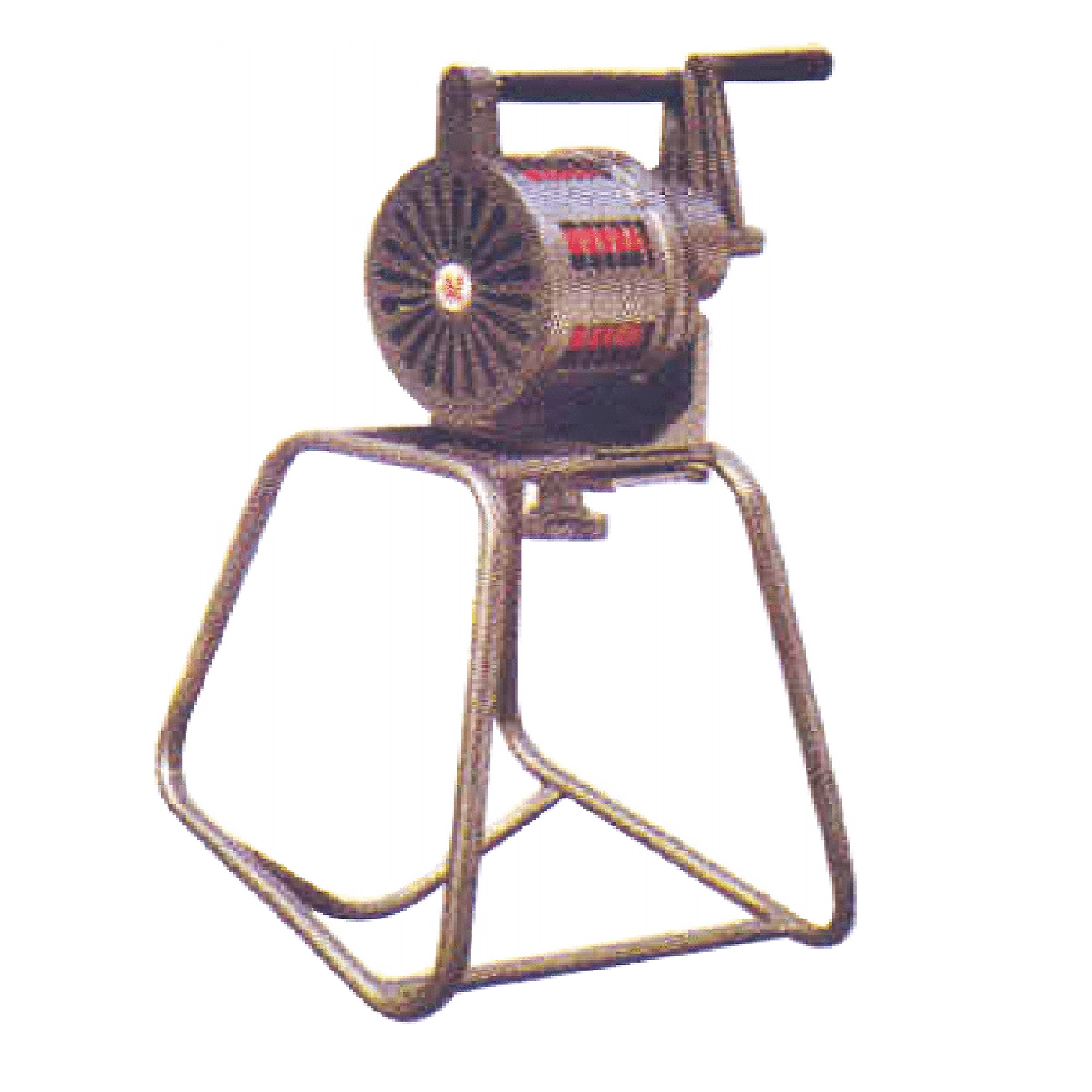 | Evacuation System LG-519B HAND OPERATED MANUAL SIREN 1 KM ₹11680 HAND OPERATED MANUAL SIREN 1 KM View product → |
Frequently asked questions
When is a manual siren acceptable in a Delhi commercial building?
A manual siren is acceptable only when it meets the building’s fire and emergency arrangements, provides adequate coverage, and does not replace a required automatic or electrically powered alarm system.
How can you prove workers hear and recognise the warning?
Run audibility tests in occupied and noisy areas, record the locations and results, and confirm that workers recognise the siren as an evacuation signal through induction and drills.
Who should activate the manual siren during an emergency?
Name trained authorised people on each shift, provide a backup person, and define the sequence for raising the alarm, calling emergency services, evacuating and conducting a roll call.
How do you control misuse of a manual siren?
Keep it at a controlled location, brief workers on permitted use, investigate every activation, and record drills separately from false alarms or unauthorised use.
What should a purchase specification and test record include?
Specify the siren type, operating method, sound output, audible range, construction, mounting or carrying arrangement, identification markings, inspection schedule and test results.
Keywords