Manufacturing Plant Fire Suppression Solutions in Africa | LIFEGUARD®
Advanced Industrial Fire Protection Solutions for Manufacturing Plants Across Africa
Africa’s manufacturing sector is experiencing growth across industrial production, mining-related manufacturing, food processing, pharmaceuticals, automotive assembly, textiles, plastics, chemicals, metal fabrication, cement, and building materials. As industrial facilities expand their production capacities, protecting machinery, raw materials, electrical infrastructure, personnel, and finished goods from fire becomes increasingly important.
LIFEGUARD®, a brand of United Fire Equipments Pvt. Ltd. (UFEPL), offers firefighting equipment and industrial fire protection solutions for facilities seeking dependable fire safety products. With experience manufacturing ISI-marked firefighting equipment since 1991, LIFEGUARD® supports fire safety requirements through a portfolio that includes fire extinguishers and specialized firefighting equipment, alongside access to selected engineered fire suppression systems through authorized channel arrangements.
For businesses searching for manufacturing plant fire suppression solutions in Africa, LIFEGUARD® provides a product-focused approach to identifying suitable fire protection equipment for industrial operations, machinery, electrical rooms, production lines, warehouses, utility areas, and other critical plant infrastructure.
Our approach emphasizes hazard-specific equipment selection, appropriate suppression technology, quality documentation, and consideration of the technical and regulatory requirements applicable to each project.
Industrial Fire Suppression Solutions for African Manufacturing Facilities
Manufacturing plants face a wide range of fire risks depending on their processes, equipment, materials, and operating environments. Electrical faults, overheating machinery, welding activities, combustible dust, flammable liquids, hydraulic systems, fuel storage, and hot production processes can all contribute to industrial fire incidents.
In facilities where production lines operate continuously, even a localized fire can damage expensive equipment, interrupt manufacturing, affect supply chains, and create serious risks for workers.
A comprehensive manufacturing plant fire protection strategy may combine fire detection, alarm systems, portable extinguishers, fixed suppression systems, sprinkler installations, emergency shutdown arrangements, and appropriate staff training.
LIFEGUARD® helps customers evaluate firefighting equipment and relevant suppression technologies according to the application, project specifications, and applicable standards.
Why Manufacturing Plants Need Specialized Fire Suppression Solutions
A general-purpose fire extinguisher may not provide sufficient protection for every industrial hazard. Certain risks require automatic detection and suppression, while others need specialized extinguishing agents, dedicated equipment protection, or coordinated fire safety systems.
Key objectives of industrial fire protection include:
- Rapid fire response: Identify appropriate detection and suppression arrangements for the anticipated fire scenario.
- Personnel safety: Support safe evacuation, alarm notification, and emergency response procedures.
- Protection of machinery: Evaluate suitable solutions for production equipment, electrical panels, control systems, and selected process machinery.
- Reduced operational disruption: Help minimize the potential consequences of fire-related equipment damage and manufacturing downtime.
- Protection of raw materials and finished products: Address the specific risks associated with combustible inventory, packaging, and industrial storage.
- Compliance support: Select equipment and systems in accordance with project specifications and the applicable national and local requirements.
- Business continuity: Integrate fire protection planning into the wider operational risk management strategy.
Effective fire suppression depends on correct system design, appropriate equipment, professional installation, commissioning, inspection, and maintenance.
Types of Manufacturing Plant Fire Suppression Solutions
Different manufacturing processes require different suppression technologies. The appropriate solution depends on the fuel involved, fire classification, protected enclosure, equipment sensitivity, occupancy, and relevant technical standards.
1. Clean Agent Fire Suppression Systems
Clean agent systems are used in suitable applications where extinguishing-agent residue could damage sensitive equipment or interrupt critical operations.
Potential applications include:
- Industrial control rooms
- Electrical and instrumentation rooms
- PLC and automation panels
- Server rooms and industrial data centres
- Telecommunications facilities
- Electronic equipment rooms
- Selected enclosed machinery and process-control installations
A typical engineered system may include agent storage cylinders, fire detection devices, release controls, distribution piping, discharge nozzles, alarms, and monitoring interfaces.
The system must be designed for the specific enclosure and hazard. Important considerations include enclosure integrity, design concentration, discharge duration, pressure-relief provisions, ventilation, and personnel safety.
LIFEGUARD® can offer access to selected gas-based suppression solutions through its authorized channel partnership arrangements, subject to product availability, application suitability, and project requirements.
2. FK-5-1-12 Fire Suppression Solutions
FK-5-1-12 systems are considered for suitable enclosed hazards requiring a clean extinguishing agent. Depending on the system design and approval scope, applications may include electrical infrastructure, sensitive electronic equipment, and critical control installations.
These systems may incorporate:
- Agent storage cylinders
- Detection and automatic release systems
- Control panels and manual release facilities
- Discharge piping and nozzles
- Audible and visual warning devices
- System monitoring and safety interlocks
For manufacturing plants across Africa, system selection should account for enclosure volume, leakage, occupancy, environmental conditions, agent availability, and applicable regulatory requirements.
The suitability of an agent and the design concentration must be established by qualified fire protection professionals. Product certification, system approvals, and environmental compliance should be verified for the proposed configuration and destination country.
3. Dry Chemical Powder Fire Suppression Equipment
Dry chemical powder firefighting equipment is used for specified fire risks involving flammable liquids, gases, and other combustible materials, depending on the extinguishing agent and equipment classification.
LIFEGUARD® manufactures dry chemical powder fire extinguishers for applications where the equipment specifications and hazard classification are appropriate.
Potential industrial applications include:
- Manufacturing workshops
- Selected fuel-handling areas
- Industrial maintenance facilities
- Compatible process equipment
- Designated flammable-liquid handling locations
- Areas requiring portable or wheeled firefighting equipment
Powder-based equipment can provide an effective response to appropriate fire classes. However, powder residue may affect electronic equipment, machinery, visibility, and post-fire cleanup. The correct extinguishing agent and equipment capacity must therefore be selected for the actual hazard.
4. Carbon Dioxide (CO₂) Fire Suppression Systems
CO₂ fire suppression systems may be suitable for certain industrial applications involving flammable liquids and energized electrical equipment, where the system is appropriately designed.
Potential applications include selected machinery enclosures, compatible electrical installations, and designated industrial process hazards.
Carbon dioxide presents a serious asphyxiation risk at extinguishing concentrations. Total-flooding systems require carefully designed personnel safeguards, warning alarms, evacuation arrangements, controlled access, and compliance with applicable standards.
A qualified engineer must evaluate occupancy, enclosure conditions, discharge arrangements, and emergency procedures before selecting CO₂ protection.
5. Water Mist Fire Suppression Systems
Water mist systems discharge finely divided water droplets to help control fire through cooling and other suppression mechanisms. Their suitability depends on the fire scenario, system design, nozzle configuration, water supply, and applicable testing or approvals.
Potential applications may include selected industrial machinery, production equipment, and specific manufacturing hazards for which the system has been appropriately validated.
Water mist is not suitable for every fire scenario. Combustible metals, water-reactive chemicals, certain flammable-liquid hazards, and some electrical applications may require different protection strategies. A site-specific assessment is essential.
6. Foam-Based Fire Suppression Solutions
Foam systems can be considered for suitable flammable-liquid hazards, including selected industrial process and fuel-handling applications.
The foam concentrate, discharge rate, application method, and system configuration must match the fuel involved and the relevant design requirements.
Industrial facilities should also consider environmental restrictions affecting foam chemistry, drainage arrangements, wastewater management, and any requirements concerning persistent substances.
For African manufacturing projects, the design must reflect the facility's operating conditions, fuel inventory, environmental obligations, and applicable national regulations.
7. Automatic Fire Suppression for Manufacturing Machinery
Manufacturing machinery may contain electrical components, lubricants, hydraulic fluids, heated surfaces, and moving parts that can create localized fire hazards.
An automatic suppression arrangement can be considered for compatible enclosed machinery or designated equipment compartments, helping deliver an extinguishing agent directly to the protected hazard.
Potential applications include:
- CNC machines and machine tools
- Industrial electrical cabinets
- Automated manufacturing equipment
- Selected hydraulic power units
- Production-line machinery
- Enclosed industrial process equipment
- Specialized equipment skids
The selection of the suppression agent, detection method, discharge arrangement, and activation logic must be based on the specific machine and operating environment.
Fire Suppression Solutions for Different Manufacturing Industries in Africa
Africa's industrial landscape includes diverse production facilities, from small manufacturing units to large industrial complexes. Each sector requires a fire protection strategy tailored to its materials, processes, and operational risks.
Oil, Gas and Petrochemical-Related Industries
Oil and gas-related industrial operations may involve flammable hydrocarbons, pressurized systems, rotating machinery, electrical installations, and hot-work activities.
Fire protection planning may include appropriate portable extinguishers, detection and alarm systems, compatible fixed suppression systems, emergency shutdown interfaces, and other engineered measures.
The design must reflect the actual process hazards and applicable industry standards. Specialized protection should be specified for hazardous areas and equipment according to the relevant risk assessment.
Mining-Related Manufacturing and Mineral Processing
Mineral processing and mining-related industrial facilities may contain conveyors, motors, electrical installations, hydraulic equipment, workshops, maintenance areas, and combustible materials.
Suitable firefighting equipment and engineered suppression systems can be evaluated for specific machinery and operational hazards. Environmental exposure, dust, vibration, temperature variations, and remote maintenance requirements may also influence equipment selection.
Food Processing and Beverage Manufacturing
Food processing plants may contain ovens, cooking equipment, electrical systems, packaging materials, refrigeration infrastructure, and combustible oils or fats.
Fire protection planning should account for the specific process, potential contamination, hygiene requirements, and equipment sensitivity.
Commercial cooking hazards, where present, require appropriately designed protection systems suitable for the cooking process and fuel involved.
Pharmaceutical and Chemical Manufacturing
Pharmaceutical and chemical facilities may handle flammable solvents, reactive substances, combustible dust, specialized production equipment, and sensitive electronic systems.
The fire protection strategy must consider chemical compatibility, storage conditions, possible reactions with extinguishing agents, ventilation, and the consequences of production contamination.
No suppression technology should be selected without evaluating the substances involved and the relevant process safety documentation.
Automotive and Engineering Manufacturing
Automotive assembly and engineering facilities may include welding stations, paint processes, electrical machinery, hydraulic equipment, lubricants, and combustible components.
Depending on the identified hazards, protection may combine portable fire extinguishers, automatic equipment suppression, electrical-room protection, and suitable systems for selected flammable-liquid areas.
Textile, Garment and Packaging Manufacturing
Textile plants, garment factories, paper-processing facilities, and packaging operations can contain significant quantities of combustible materials.
Fire safety planning should evaluate storage arrangements, ignition sources, machinery, dust accumulation, evacuation routes, detection coverage, and the need for fixed fire protection.
Portable extinguishers should complement, rather than replace, any sprinkler or other fixed system required by the applicable building and fire safety regulations.
Plastics, Rubber and Polymer Manufacturing
Plastic and rubber manufacturing may involve combustible raw materials, heated processing machinery, oils, electrical equipment, and storage of finished products.
Fire protection must consider the specific polymers and additives, processing temperatures, storage density, potential toxic smoke, and expected fire development.
Suitable detection, alarm, portable equipment, and engineered suppression should be determined by the site's risk assessment.
Cement, Steel and Building Materials Manufacturing
Cement plants, steel facilities, and building-material manufacturers may operate heavy machinery, conveyors, motors, electrical rooms, fuel-handling equipment, and high-temperature processes.
Fire protection solutions should address the specific operational hazards and consider heat, dust, vibration, access limitations, and the maintenance requirements of equipment installed in industrial environments.
LIFEGUARD® — Fire Safety Equipment and Industrial Protection Solutions
LIFEGUARD® is a fire safety brand of United Fire Equipments Pvt. Ltd., India, with manufacturing experience dating back to 1991.
The company focuses on firefighting equipment and industrial fire safety applications, supporting customers who require products for factories, warehouses, commercial facilities, infrastructure projects, and specialized industrial environments.
Our product portfolio includes fire extinguishers and specialized firefighting equipment. Selected gas suppression solutions are available through authorized channel arrangements, subject to the scope of the relevant partnership and project requirements.
Why Consider LIFEGUARD® for African Industrial Projects?
Established manufacturing experience
LIFEGUARD® has manufactured ISI-marked firefighting equipment since 1991, subject to the applicable product certification and licence scope.
Industrial product range
Fire extinguishers and related equipment can be evaluated for manufacturing environments according to the fire risks and equipment requirements identified for each application.
Application-specific equipment selection
The choice of extinguishing agent, equipment capacity, and suppression technology should reflect the fuel involved, the protected asset, the operating environment, and the applicable standards.
Quality documentation
Relevant product specifications, test reports, certificates, and approvals can be reviewed for the particular model and configuration. Requirements vary by product and destination country.
Project-oriented coordination
Fire protection requirements can be evaluated in coordination with project consultants, procurement teams, facility managers, MEP contractors, and fire protection specialists.
Export enquiry support
LIFEGUARD® welcomes enquiries from African distributors, importers, industrial operators, contractors, and project procurement teams. Export availability, logistics, local representation, installation arrangements, and after-sales support must be confirmed for each destination and project.
Manufacturing Plant Fire Protection Across Major African Markets
LIFEGUARD® welcomes enquiries for industrial fire safety equipment and relevant fire suppression solutions from businesses across Africa.
South Africa
Manufacturing plants, engineering facilities, mining-related industries, food processing operations, and industrial warehouses require fire protection appropriate to their specific hazards.
Nigeria
Industrial estates, petrochemical-related facilities, consumer goods manufacturing, food processing, and packaging operations may require a combination of portable firefighting equipment and engineered suppression systems.
Kenya
Manufacturing facilities, logistics centres, pharmaceutical production, food processing, and industrial workshops can benefit from fire protection strategies tailored to their operations.
Egypt
Industrial manufacturing, textile production, chemical facilities, food processing, and engineering plants require suitable fire safety equipment and risk-based suppression planning.
Ghana
Industrial facilities, manufacturing units, mining-related operations, warehouses, and processing plants require appropriate equipment selection and fire safety planning.
Morocco
Automotive manufacturing, aerospace-related production, textiles, electronics, and industrial facilities may require specialized protection for machinery, electrical installations, production areas, and storage.
Tanzania
Manufacturing plants, food processing facilities, warehouses, and industrial operations require fire safety arrangements that consider the facility's equipment, stored materials, and local regulatory requirements.
Uganda and Rwanda
Growing manufacturing, packaging, food processing, and commercial-industrial facilities may require portable extinguishers, fire detection, and suitable engineered suppression systems.
Ethiopia
Industrial parks, textile and garment factories, manufacturing units, and processing facilities can benefit from risk-based fire protection planning and appropriately selected firefighting equipment.
Zambia and Zimbabwe
Manufacturing, mining-related industries, engineering facilities, and industrial processing operations may require solutions for machinery, electrical equipment, workshops, and storage areas.
For every destination, the applicable standards, import requirements, product conformity documentation, local authority approvals, and service arrangements should be verified before procurement.
Designing the Right Fire Suppression System for an African Manufacturing Plant
Effective fire protection begins with understanding the hazard rather than choosing a system solely on the basis of price or nominal capacity.
Step 1: Conduct a Fire Risk Assessment
Identify the combustible materials, flammable liquids, electrical hazards, process temperatures, ignition sources, machinery, and storage arrangements within the plant.
Step 2: Identify the Protected Hazard
Determine whether protection is needed for an entire room, a machine enclosure, an electrical cabinet, a production line, a fuel-handling area, or a storage facility.
Step 3: Select the Appropriate Technology
Evaluate portable or wheeled extinguishers, clean agent systems, dry chemical powder equipment, CO₂ systems, water mist, foam systems, sprinklers, or other suitable technologies according to the hazard.
Step 4: Establish the Engineering Requirements
Determine agent quantity, detection coverage, nozzle placement, piping layout, activation logic, alarms, and safety provisions in accordance with the relevant design standards.
Step 5: Consider Local Operating Conditions
Assess ambient temperature, humidity, dust, corrosion, power availability, water supply, equipment access, maintenance capabilities, and spare-parts availability.
Step 6: Verify Compliance and Documentation
Confirm product conformity, certificates, test reports, system approvals, and national or local authority requirements for the destination country.
Step 7: Plan Installation and Lifecycle Maintenance
Establish responsibilities for installation, commissioning, inspection, maintenance, replacement components, and staff training.
A well-planned system must remain suitable for the facility throughout its operating life, including after machinery layouts, production processes, or stored materials change.
Fire Safety Standards and Compliance Considerations in Africa
Fire suppression requirements differ across African countries and may also vary according to industry, occupancy, facility size, and hazard classification.
Project teams should confirm applicable national building codes, fire safety regulations, environmental rules, industry-specific requirements, and approvals from the relevant local authorities.
Depending on the hazard and system type, project specifications may reference recognized standards such as:
- NFPA 2001 for clean agent fire extinguishing systems
- NFPA 12 for carbon dioxide extinguishing systems
- NFPA 11 for foam systems
- Applicable standards for fire detection, alarms, sprinklers, portable extinguishers, and specialized industrial equipment
The correct standard and edition must be established for the specific project. A reference to an international standard does not automatically establish local regulatory acceptance.
Likewise, an ISI certification for an individual product should not be represented as blanket certification of a complete installed suppression system or automatic approval in every African country.
LIFEGUARD® recommends confirming all relevant certification, import, conformity, and approval requirements before equipment procurement.
Frequently Asked Questions (FAQs)
1. What are manufacturing plant fire suppression solutions?
Manufacturing plant fire suppression solutions include firefighting equipment and systems designed to control specific fire hazards within industrial facilities. They may include portable extinguishers, wheeled extinguishers, clean agent systems, dry chemical powder equipment, CO₂ systems, water mist, foam, sprinklers, and automatic machinery protection.
2. Which fire suppression system is best for a manufacturing plant in Africa?
The best system depends on the materials present, the fire class, the protected equipment, the room or enclosure, personnel occupancy, and the applicable standards. A hazard assessment by a qualified fire protection professional should guide the final selection.
3. Does LIFEGUARD® manufacture fire extinguishers for industrial applications?
LIFEGUARD®, a brand of United Fire Equipments Pvt. Ltd., manufactures firefighting equipment that includes fire extinguishers for appropriate industrial applications. The specifications and certifications of each product should be verified for the intended use and destination country.
4. Can LIFEGUARD® provide gas suppression solutions for industrial facilities?
Selected gas suppression solutions can be offered through authorized channel arrangements. The exact system, agent, equipment configuration, availability, and project requirements should be confirmed before procurement.
5. Can fire suppression systems protect electrical rooms and control panels?
Yes, suitable systems can be designed for compatible electrical rooms and control panels. Clean agent or other appropriate solutions may be considered after evaluating the enclosure, occupancy, equipment sensitivity, and fire risk.
6. What information is needed to request a quotation?
Customers should provide the country and city, facility type, protected area or equipment, nature of the fire hazard, required equipment or system, estimated quantities, project specifications, and applicable certification requirements.
7. Does LIFEGUARD® support industrial fire safety enquiries across Africa?
LIFEGUARD® welcomes enquiries from industrial customers, distributors, importers, and project contractors across African markets. Product availability, export logistics, installation arrangements, local representation, and after-sales support should be confirmed for the individual destination.
Contact LIFEGUARD® for Manufacturing Plant Fire Suppression Solutions in Africa
Protecting an industrial facility begins with understanding its fire hazards and selecting appropriate equipment for its operational requirements.
If you are looking for manufacturing plant fire suppression solutions in Africa, industrial fire extinguishers, factory fire safety equipment, or suitable suppression technologies for production machinery and critical infrastructure, contact LIFEGUARD® to discuss your project.
Our team welcomes enquiries from industrial operators, engineering consultants, procurement professionals, contractors, distributors, and importers seeking fire safety equipment for African markets.
LIFEGUARD® — United Fire Equipments Pvt. Ltd.
Manufacturer of ISI Certified Fire Safety Equipment
- Phone: 8048034226
- Email: ufe126@gmail.com | info@lifeguardindia.in
- Website: www.lifeguardindia.in
LIFEGUARD® — Supporting industrial fire safety through appropriate firefighting equipment and application-specific fire protection solutions.
SEO Metadata for LIFEGUARD® Website
SEO Title: Manufacturing Plant Fire Suppression Solutions Africa | LIFEGUARD®
Meta Description: Explore LIFEGUARD® manufacturing plant fire suppression solutions in Africa, including industrial fire extinguishers and suitable fire protection options for factories, machinery, electrical rooms, and industrial facilities.
Suggested URL Slug: /manufacturing-plant-fire-suppression-solutions-africa/
Primary SEO Keyword:
- Manufacturing plant fire suppression solutions Africa
Secondary SEO Keywords:
- Manufacturing plant fire suppression Africa
- Industrial fire suppression solutions Africa
- Factory fire suppression system Africa
- Industrial fire protection equipment Africa
- Manufacturing plant fire safety solutions Africa
- Fire suppression equipment supplier Africa
- Industrial fire extinguisher manufacturer Africa
- Factory fire protection system provider Africa
- Automatic fire suppression systems for manufacturing plants
- Industrial fire safety equipment supplier Africa
- Fire suppression solutions for industrial machinery
- Fire protection systems for African manufacturing facilities
- Clean agent fire suppression systems Africa
- Industrial fire suppression equipment for export
Suggested H1: Manufacturing Plant Fire Suppression Solutions in Africa
Suggested H2 Headings:
- Industrial Fire Suppression Solutions for African Manufacturing Facilities
- Types of Manufacturing Plant Fire Suppression Systems
- Fire Suppression Solutions for Different Manufacturing Industries in Africa
- Why Consider LIFEGUARD® for Industrial Fire Protection?
- Manufacturing Plant Fire Protection Across Major African Markets
- Fire Safety Standards and Compliance Considerations in Africa
- Contact LIFEGUARD® for Manufacturing Plant Fire Suppression Solutions
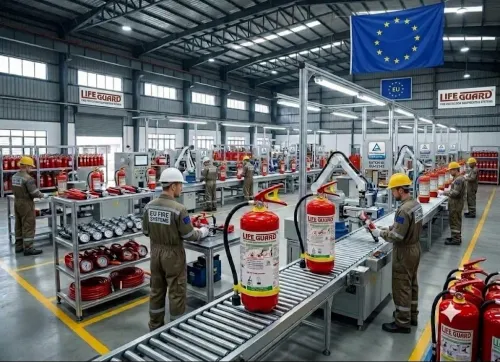
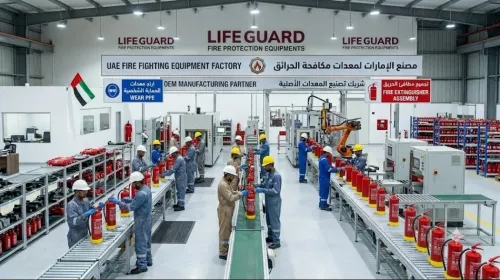
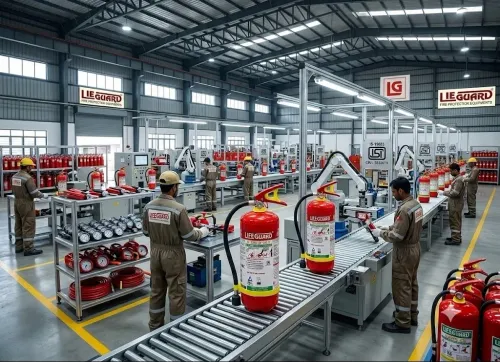
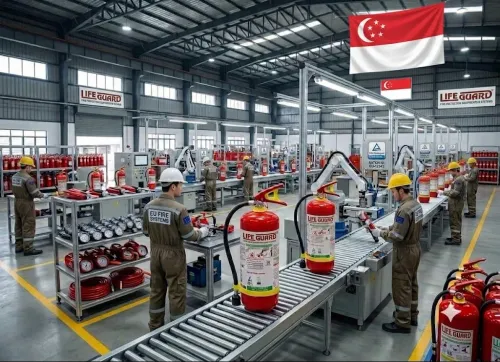
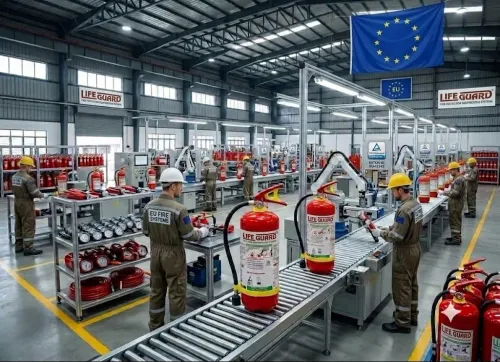
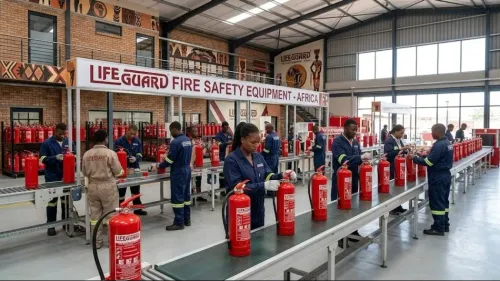
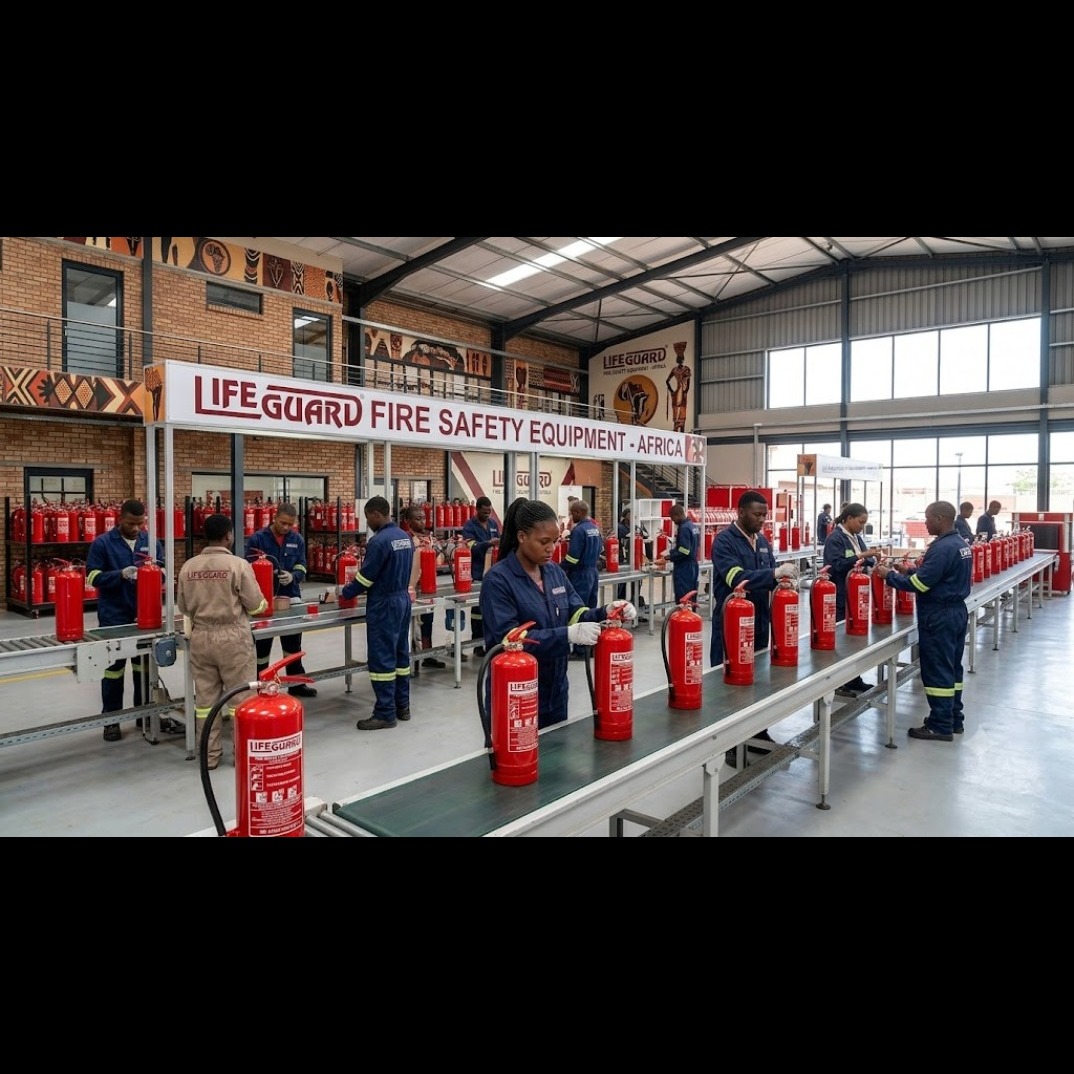
Suggested Image Alt Text: LIFEGUARD® industrial fire suppression solutions for manufacturing plants across Africa
SEO Recommendations
- Use the primary keyword naturally in the page title, H1, opening paragraph, meta description, and URL.
- Add dedicated country pages for high-priority export markets, such as South Africa, Nigeria, Kenya, Egypt, Ghana, and Morocco, with genuinely localized content.
- Include original industrial application photographs, relevant product images, and accurate technical specifications.
- Link this page internally to relevant fire extinguisher, industrial fire protection, clean agent suppression, and factory fire safety pages.
- Publish only verified claims about certifications, export capability, product approvals, local distributors, installation, and after-sales support.
- Avoid repeating the same keywords excessively; prioritize useful information, technical accuracy, and relevant industrial applications.
Important publishing note: This page is written for SEO and general industrial fire safety information. Final product suitability, certification claims, system design, and regulatory compliance must be verified for the actual equipment and destination country before publication or project use.
Tighten the page for SEO readersAdd a stronger enquiry conversion path
Keywords