Choosing an industrial fire suppression system starts with the fuel, process, room and credible fire scenario—not the building area alone. By the end, you will be able to distinguish the main system types, identify the equipment each installation needs, and judge whether a proposed design fits hazards such as storage racks, paint booths, generator rooms, control rooms or lithium-ion battery storage.
Key takeaways
- Match the agent to the fuel, process temperature and storage layout.
- Use total flooding only when the enclosure and evacuation plan support it.
- Coordinate detection, release controls and discharge nozzles as one system.
- Specify occupant safeguards, inspection access and backup reliability before installation.
What Each Industrial Fire Suppression System Is Designed to Do
Portable fire extinguishers and fixed systems solve different-sized fires. Extinguishers require a trained person at the scene; hydrants and hose reels deliver manual water streams over a larger area.
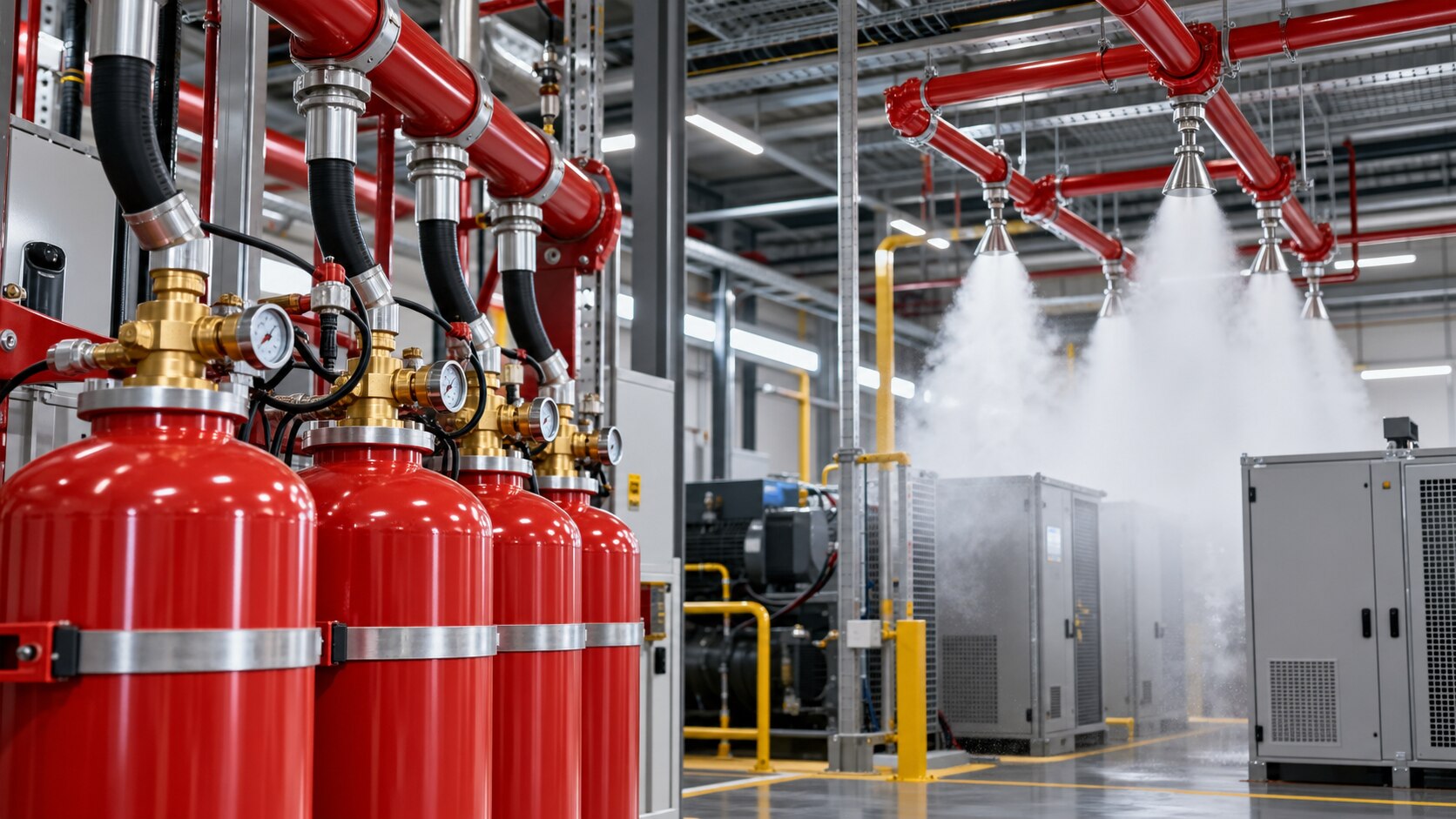
Sprinklers activate near the fire, while agent-based systems discharge through designed nozzles after detection, releasing a chemical, gas or foam onto a defined hazard or into an enclosure.
| System | Coverage and activation | Intended use |
|---|---|---|
| Portable fire extinguishers | One operator; manual discharge; short range | Incipient fires involving ordinary combustibles, liquids or energized equipment, when the extinguisher is rated for that hazard |
| Hose-reel systems | Fixed hose; manual water flow; limited reach | First response to accessible, small fires inside buildings |
| Hydrant systems | Yard or building-wide hose connections; manual hose streams | Firefighting teams attacking larger fires and protecting industrial structures |
| Sprinkler systems | Automatic heat-triggered heads; area-by-area water discharge | Controlling or suppressing developing fires across rooms, storage and production areas |
| Water-mist systems | Automatic or manual nozzles; fine droplets and application-specific pressure | Selected machinery, enclosures or processes where tested mist performance fits the fuel and ventilation |
| Foam, dry-chemical, clean-agent and CO2 systems | Automatic or manual release; local application or total flooding | Flammable liquids, process equipment, electrical rooms or enclosed hazards matched to agent limits |
Do not treat water mist as a drop-in sprinkler replacement. Nozzle placement, enclosure geometry, airflow, fuel type and fire-test evidence determine whether it controls, suppresses or extinguishes the fire. Total flooding also requires enclosure integrity and occupant safeguards; local application depends on covering the actual fuel geometry.
Match the System to the Fuel, Process and Storage Arrangement
Start with the fuel and the way it is stored, not the building’s floor area. A warehouse storing cartons on high racks needs a different sprinkler design from a low-piled store, while a machine holding burning oil needs direct local application.
| System | Best fit | Critical selection point |
|---|---|---|
| Water sprinklers | Combustible solids, warehouses, packaging and ordinary machinery | Match commodity, storage height, rack arrangement, aisle width, ceiling height, obstructions and water supply. ESFR sprinklers work only within their listed limits. |
| Foam | Flammable liquids in tanks, bunds, loading areas and some process equipment | Select the foam type and application rate for the liquid; water alone can spread a burning liquid. |
| Dry chemical | Flammable gases, paint booths and defined process hazards | Use nozzles that cover the fuel release path, and interlock fuel shutoff with discharge. |
| Clean agent | Control rooms, electrical rooms and sensitive machinery | Total flooding requires an enclosed room, verified agent concentration, enclosure integrity and occupant safeguards. |
| CO2 | Unoccupied machinery enclosures and certain process hazards | Treat discharge as a lethal atmosphere; provide warning, delay, locking and safe-entry controls. |
| Water mist | Machinery, turbines and areas where reduced water volume matters | Confirm droplet performance, nozzle placement, ventilation effects and fuel compatibility. |
| Local application | A dip tank, burner, press, conveyor or process vessel | Design around the exact fuel geometry and nozzle coverage; it does not protect the whole room. |
| Dust suppression and explosion protection | Dust collectors, mills and combustible-dust processes | Combine detection with isolation, venting or suppression after a dust-hazard analysis. |
For energized electrical equipment, use an agent approved for the equipment and voltage. Lithium-ion storage also needs thermal-runaway detection, ventilation coordination, shutdown logic and an installation-specific assessment; a UL 9540A report supports design but does not guarantee propagation prevention.
How Detection, Release and Discharge Work as One System
An automatic system does not begin with agent discharge. It begins with a signal that must travel through detection, decision-making, alarms, interlocks and delivery equipment without a break.
1. Detection devices identify smoke, heat, flame or abnormal gas conditions. In a battery room, gas detection can provide warning before thermal runaway produces visible flames. Aspirating systems need correctly sized sampling pipes and clean filters, or dust and airflow changes can delay or trigger alarms.
2. The releasing panels receive the signal and apply the programmed logic. A confirmed condition starts the evacuation alarm and pre-discharge timer; a single detector alarm may initiate investigation instead. Manual release stations provide a second route, while an abort control can stop release during the warning period where the design permits it.
3. Shutdown interlocks stop burners, conveyors, pumps, fans or electrical equipment that could feed the fire. HVAC dampers close for a total-flooding clean-agent system, and doors must close so leakage does not reduce the hold time.
4. After the warning delay, the panel energises actuators. Cylinders or tanks open, agent moves through piping and valves, and discharge nozzles distribute it across the protected hazard. Blocked nozzles, closed isolation valves or an empty cylinder break this chain.
5. Everyone evacuates before discharge and remains outside until the responsible supervisor and emergency services declare re-entry safe. Toxic gases, oxygen deficiency, hot surfaces and reignition remain hazards.
6. After discharge, isolate energy and fuel sources, secure the area, preserve alarm records and investigate before resetting. Inspect and test the system under NFPA 25 and NFPA 72 procedures, then replace agent and repair every failed interface.
Choose Between Total Flooding, Local Application and Water-Based Coverage
Use total-flooding systems for an enclosed room or cabinet where the agent must reach the entire volume. Use local-application systems for a defined hazard such as a dip tank, process vessel or machine, where nozzle position matches the fuel geometry.
Sprinklers suit broad building and storage protection; water-mist systems suit tested, specific fire scenarios rather than automatic sprinkler replacement.
| Option | Choose it when | Conditions that decide success |
|---|---|---|
| Total flooding | The hazard occupies an enclosed volume | Room integrity, agent concentration, hold time, sealed cable penetrations, closed doors, HVAC shutdown and pressure relief |
| Local application | Fire is concentrated at equipment or a process | Nozzle coverage, discharge distance, fuel shape, shielding, ventilation and simultaneous equipment shutdown |
| Sprinklers | You need dependable area coverage for buildings or storage | Listed storage height, ceiling height, flue spaces, sprinkler spacing, obstructions and water-supply capacity |
| Water mist | A tested application needs smaller droplets or reduced water demand | Droplet size, pressure, nozzle placement, enclosure geometry, ventilation and fuel type |
A room with open doors, unsealed penetrations or running exhaust fans can defeat total flooding by losing concentration. A local system can miss a shielded spill, while mist can provide only control instead of extinguishment if its test basis does not match the hazard.
Choose foam systems for compatible flammable-liquid risks only after checking concentrate chemistry, local PFAS restrictions, discharge containment and disposal arrangements. In occupied rooms, never treat carbon dioxide total flooding as a low-residue shortcut: warnings, time delay, access control and atmosphere verification are essential.
Design for Special Hazards, Occupant Safety and System Reliability
A clean-agent or CO2 release is safe only when the room, controls and occupant protections are designed together. Local application protects a defined machine or vessel; total flooding protects an enclosed volume and fails if its concentration or evacuation controls are wrong.
Before acceptance, verify these points:
- Clean-agent systems: test door seals, cable penetrations, dampers, pressure-relief vents and HVAC shutdown. Perform room-integrity testing and confirm the enclosure holds the specified design concentration for the required hold time.
- CO2 systems: provide pre-discharge alarms, time delays, abort controls, restricted access and lockout procedures. Do not permit re-entry until testing proves the atmosphere is safe; extinguishing concentration can incapacitate or kill.
- Lithium-ion battery storage: obtain UL 9540A data at the cell, module, unit and installation levels, then have the authority having jurisdiction use it with NFPA 855 design decisions. Add gas detection, ventilation, pressure relief and shutdown logic; the test report does not guarantee suppression or prevent propagation.
- High-risk rooms: coordinate detection, releasing panels, equipment shutdown, ventilation and emergency power. Apply NFPA 13 where water-based protection is specified, and confirm the design addresses dust, flammable vapour and explosion hazards.
Keep the chain operational under NFPA 25 and NFPA 72 inspection and testing schedules. Check isolation valves, pumps, cylinders, nozzles, supervisory switches, releasing circuits, alarms and interfaces; a closed valve or disabled circuit can defeat an otherwise complete installation.
During handover, United Fire Equipment Pvt Ltd can be required to provide valve charts, cause-and-effect logic, test records, cylinder data and impairment procedures. Re-test after alterations, room penetrations or equipment moves.
Related products
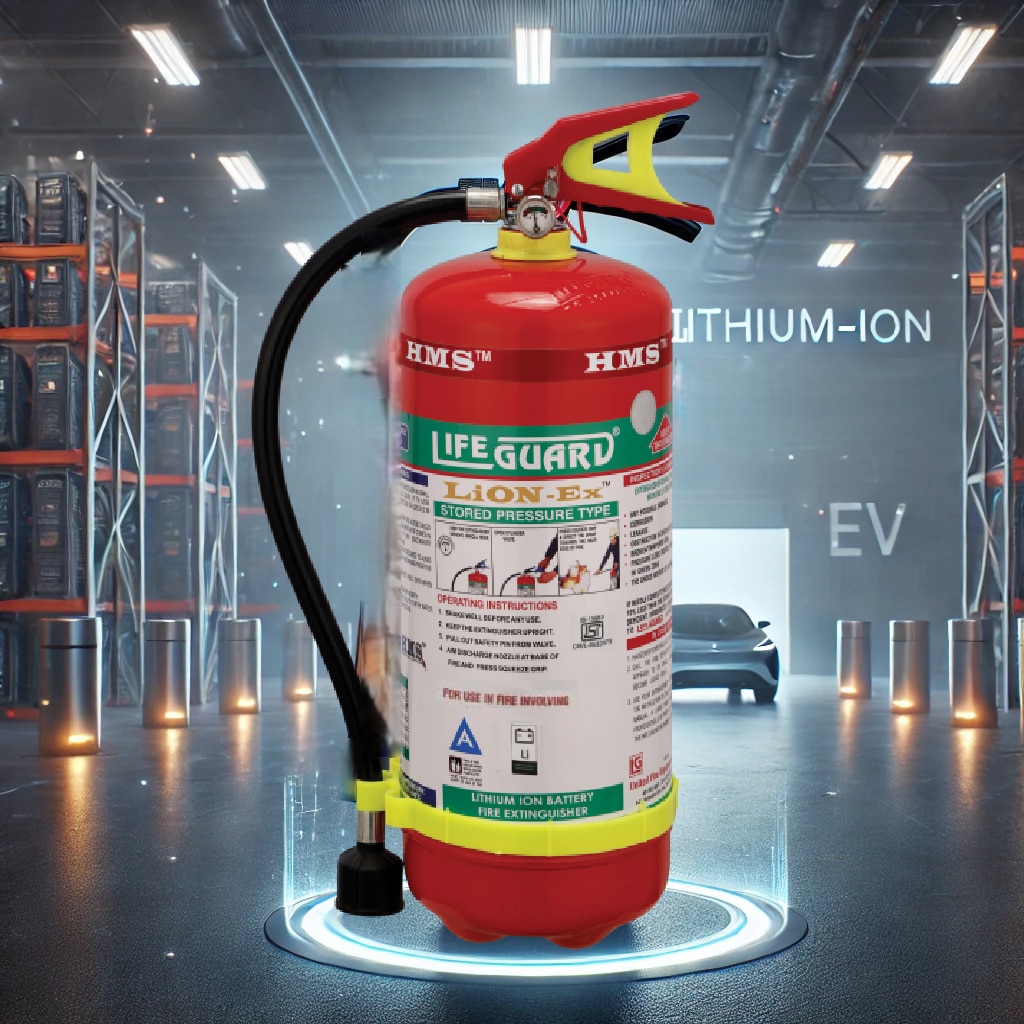 | EV FIRE EV FIRE EXTINGUISHER ₹54000 Lifeguard EV Fire Extinguisher Manufacturer – Complete Safety for Electric Vehicles The future of mobility is electric. |
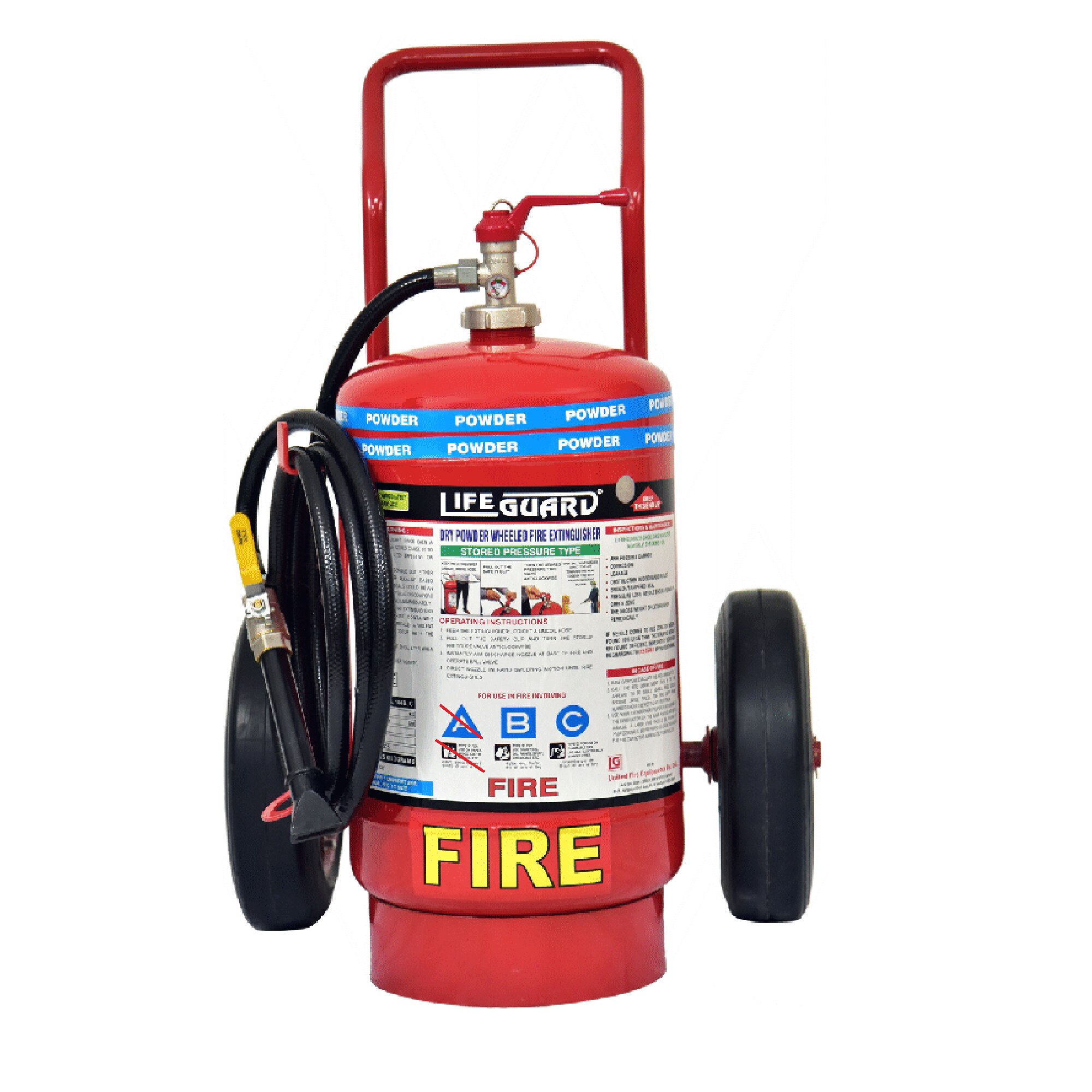 | Fire Extinguisher Services Lg-1225bc 25kg Stored Pressure ₹20770 The LG-1225BC 25kg Stored Pressure Fire Extinguisher is designed for effective fire suppression in commercial and industrial environments. |
Frequently asked questions
How do you match an industrial fire suppression system to a hazard?
Assess the fuel, process, fire behaviour, enclosure, storage arrangement and occupancy before selecting the extinguishing agent and system type.
How do detection, release and discharge work together?
Detection identifies the fire, the release circuit confirms the initiating condition and opens the system, and correctly positioned nozzles deliver the agent to the hazard.
When should you use total flooding, local application or water-based coverage?
Use total flooding for protected enclosures, local application for defined equipment or process hazards, and water-based coverage where water is suitable for the fuel and equipment.
What safety and reliability features should industrial systems include?
Include occupant warning and evacuation controls, manual release and abort functions where appropriate, compatible equipment, accessible isolation points and a documented inspection and maintenance plan.
Related products
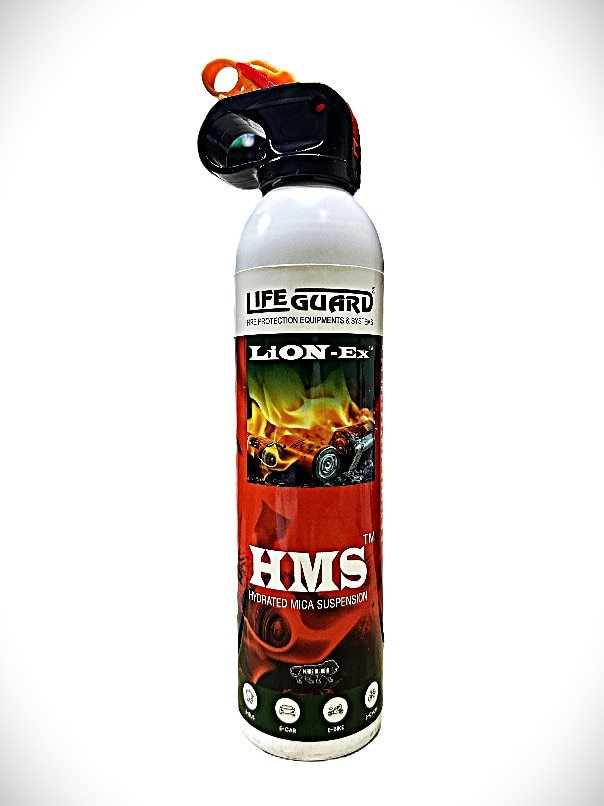 | Lithium Ion Fire Extinguisher EV Battery fire extinguisher ₹4500 Lifeguard EV Fire Extinguisher Manufacturer – Complete Safety for Electric Vehicles The future of mobility is electric. |
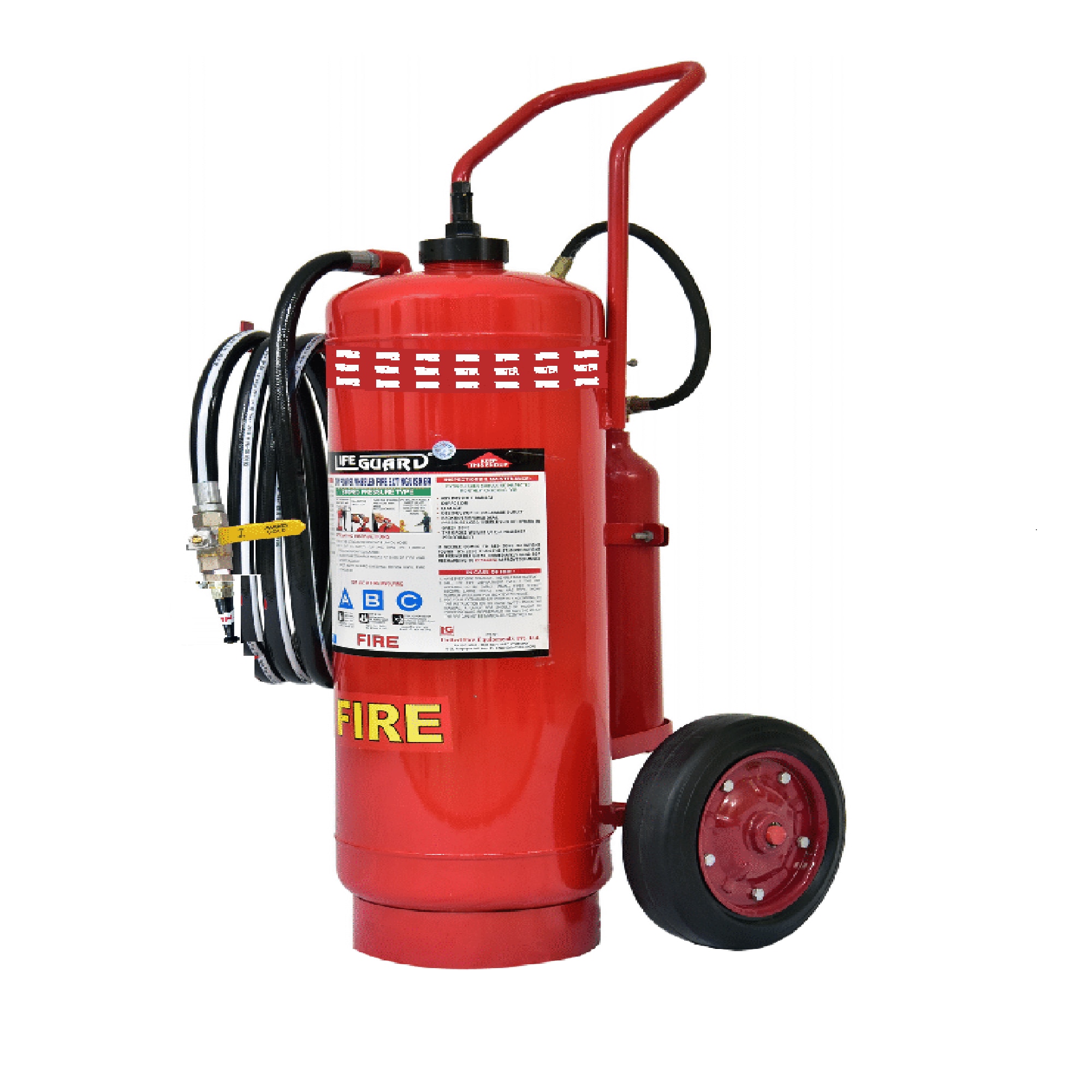 | Fire Extinguisher Services Lg-3045 Water 45ltr Outer Co2 ₹29200 The LG-3045 Water 45L Fire Extinguisher with Outer CO2 is designed for efficient fire suppression. |
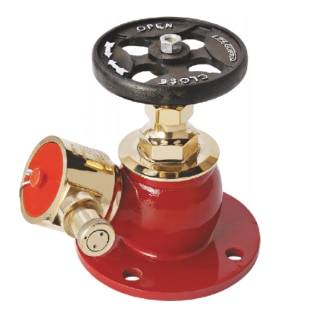 | Hydrant Systems Lg-401 Hydrant Gm ₹21100 The LG-401 Hydrant GM is a high-performance fire hydrant designed for robust and reliable operation in emergency situations. |
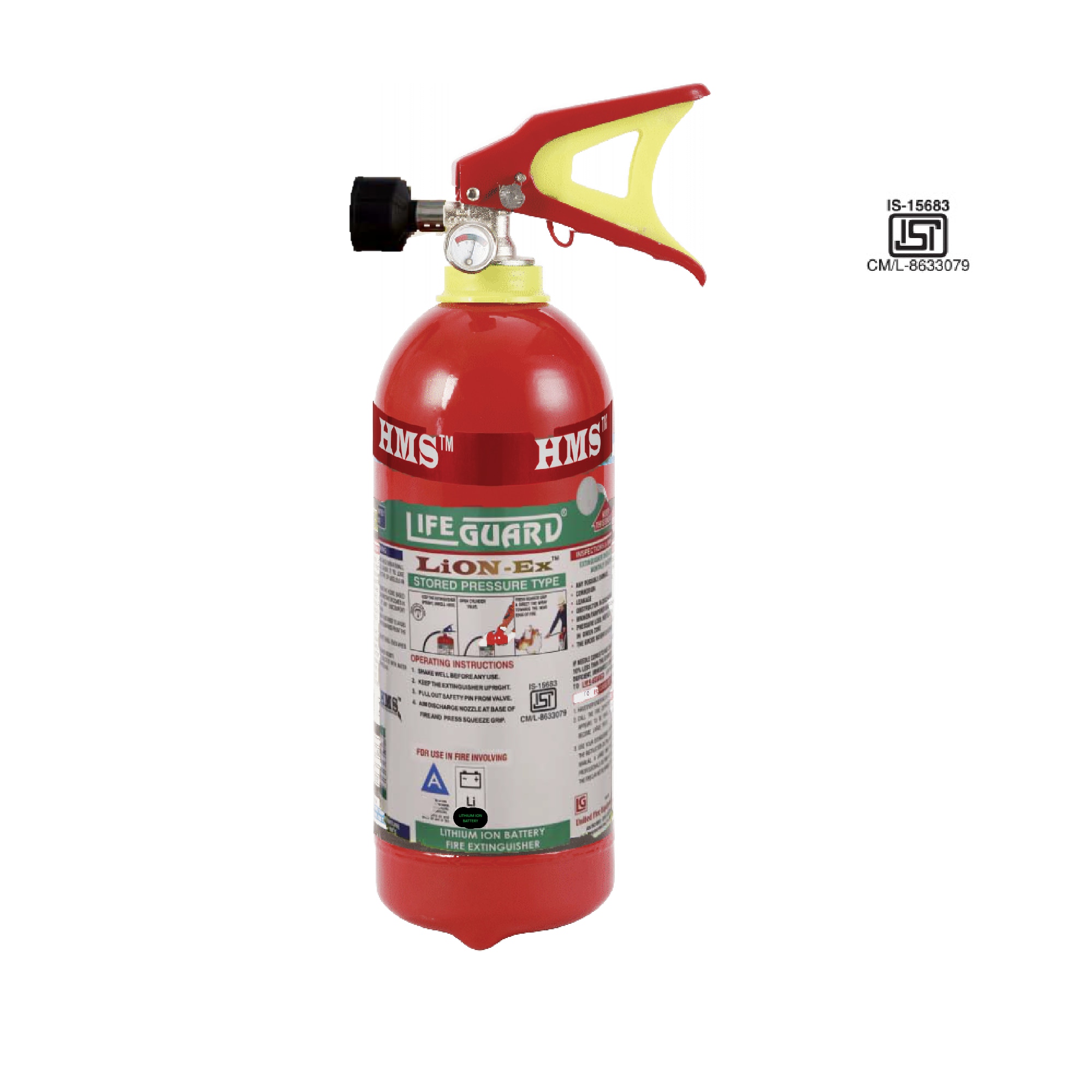 | Lithium Ion Fire Extinguisher LiON-Ex 2 litres ₹18000 LiON-Ex Fire Extinguisher for Lithium Ion Battery fire, capacity 2ltrs. filled with HMS agent, duly ISI marked, tested as per IS : 15683. |