Battery Plant Electrical Fire Extinguisher Bulk Supplier in the USA | LIFEGUARD®
SEO-Optimized Website Content for LIFEGUARD® | United Fire Equipments Pvt. Ltd.
Battery Plant Electrical Fire Extinguisher Bulk Supplier USA
Battery manufacturing facilities, battery assembly plants, energy storage manufacturing units, lithium-ion battery production lines, and battery testing laboratories require specialized fire protection measures to address electrical fire hazards, combustible materials, and thermal runaway risks. Selecting the right fire extinguishers and integrating them with a comprehensive fire protection strategy are essential for protecting personnel, machinery, production infrastructure, and valuable inventory.
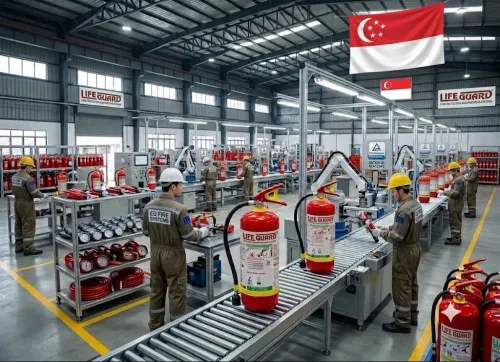
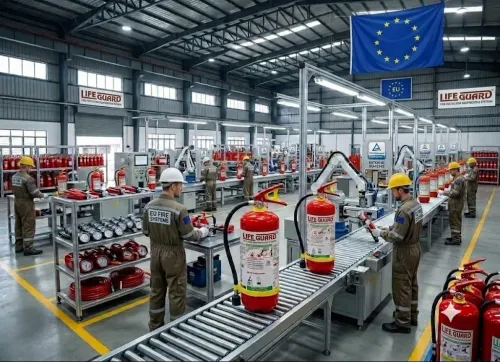
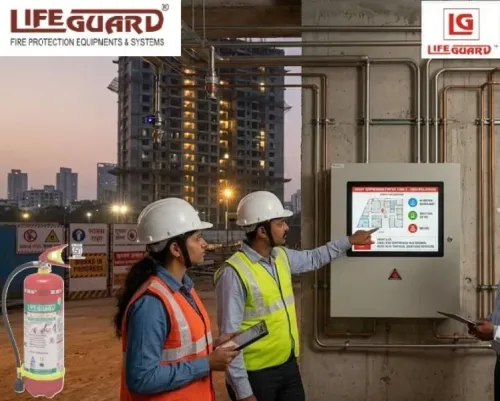
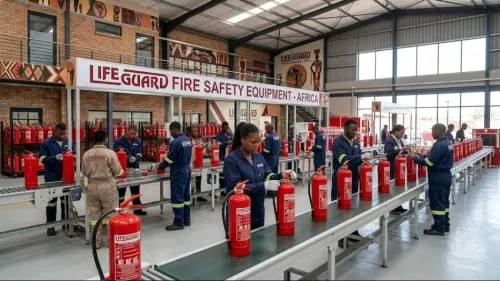
LIFEGUARD®, manufactured by United Fire Equipments Pvt. Ltd. (UFEPL), offers a range of fire safety equipment and fire protection solutions designed for industrial and commercial applications. For organizations seeking a battery plant electrical fire extinguisher bulk supplier in the USA, LIFEGUARD® provides a platform to explore industrial fire extinguisher requirements, electrical fire protection equipment, lithium-ion battery fire response products, and customized fire safety solutions for demanding industrial environments.
Whether the requirement involves a new battery manufacturing facility, an electric vehicle battery assembly plant, a battery energy storage system (BESS) manufacturing unit, or an existing industrial production site, selecting suitable fire extinguishers should form part of a professionally assessed fire safety plan.
1. Understanding Electrical Fire Risks in Battery Manufacturing Plants


9
Battery plants combine electrical equipment, high-energy battery cells, charging systems, automated machinery, chemical processing operations, and storage areas. These environments can present different fire scenarios that require carefully selected extinguishing agents and coordinated protection systems.
Common fire hazards include:
- Electrical panel fires: Short circuits, insulation failure, loose connections, overloaded circuits, and electrical component failures.
- Battery cell manufacturing hazards: Abnormal heating, cell defects, internal short circuits, and thermal runaway.
- Battery charging and testing areas: Electrical faults, battery overheating, and failures during charging, cycling, or performance testing.
- Battery module and pack assembly: Faulty connections, damaged cells, electrical arcing, and malfunctioning control equipment.
- Energy storage systems: Battery rack incidents, power conversion equipment faults, and propagation between battery modules.
- Industrial machinery: Fires involving motors, drives, conveyors, robotic equipment, and associated electrical systems.
- Packaging and warehousing: Fires involving cartons, plastics, combustible packaging, and other stored materials.
An effective battery plant fire protection strategy must distinguish between an ordinary electrical equipment fire and a lithium-ion battery fire. These incidents do not necessarily require the same extinguishing agent, response procedure, or level of protection.
2. LIFEGUARD® Fire Extinguishers for Battery Plant Electrical Fire Protection


7
LIFEGUARD® fire safety equipment can be considered for different hazard zones within battery manufacturing facilities, subject to the specific product's approvals, ratings, and application suitability.
A. CO₂ Fire Extinguishers for Electrical Equipment
Carbon dioxide fire extinguishers are commonly used for suitable fires involving energized electrical equipment and certain flammable-liquid hazards. CO₂ extinguishes fire primarily by displacing oxygen around the flame and provides the advantage of leaving no powder residue.
Potential applications include:
- Electrical control panels and switchgear.
- Industrial automation cabinets.
- Motor control centres and selected electrical installations.
- Laboratory electrical equipment.
- Suitable server, instrumentation, and control equipment areas.
Important: CO₂ extinguishers are not a general-purpose solution for lithium-ion battery thermal runaway. They may extinguish visible flames without adequately cooling the battery cells, allowing re-ignition. CO₂ discharge also presents an asphyxiation risk in confined spaces.
B. ABC Dry Chemical Powder Fire Extinguishers
ABC dry chemical powder extinguishers can provide protection against suitably rated Class A, B, and C fires, including many incidental fire hazards found in industrial manufacturing plants. Electrical use must be permitted by the product's listing and instructions.
Potential applications include:
- General industrial production areas.
- Suitable combustible packaging and material storage zones.
- Certain flammable-liquid handling locations.
- General plant areas where multipurpose extinguishers are specified.
Powder residue can contaminate sensitive electronics, machinery, and precision manufacturing equipment. Selection should therefore consider equipment sensitivity, cleanup requirements, and the applicable electrical hazard assessment.
C. Clean Agent Fire Extinguishers
Clean agent extinguishers may be suitable for designated areas containing sensitive electronic equipment, instrumentation, and control systems, provided the agent and product are approved for the particular application.
Potential locations include:
- Battery management system (BMS) control rooms.
- Electrical and instrumentation rooms.
- Automation and monitoring stations.
- Selected electronic testing laboratories.
- Control cabinets and sensitive equipment areas.
The appropriate agent must be verified against the applicable fire class, equipment requirements, environmental considerations, and local regulations. Clean agents should not be assumed to stop thermal runaway inside battery cells.
D. Water-Based and Water Mist Fire Extinguishers
Water-based extinguishers and suitably engineered water mist systems may be appropriate for certain industrial fire scenarios, particularly where cooling of ordinary combustibles is required. Their use around battery equipment must be based on the equipment manufacturer's instructions, electrical safety assessment, system design, and applicable standards.
For lithium-ion battery incidents, cooling is often critical to controlling heat propagation. However, the suitability of water or water mist depends on the battery chemistry, installation, electrical conditions, system configuration, and emergency response plan.
3. Lithium-Ion Battery Fires: Why Specialized Protection Is Essential


10
Lithium-ion battery fires require a different approach from conventional electrical fires. When a battery cell enters thermal runaway, its temperature can rise rapidly and trigger the release of flammable gases, intense heat, and fire propagation to adjacent cells.
Potential consequences include:
- Rapid escalation from a single-cell incident to a battery module or pack.
- Re-ignition after visible flames have been extinguished.
- Release of hazardous gases and smoke.
- Heat propagation between battery racks or stored battery packs.
- Damage to production machinery, inventory, and electrical infrastructure.
- Extended shutdowns and costly disruption to manufacturing operations.
For this reason, a portable fire extinguisher alone should not be considered a complete lithium-ion battery fire protection strategy.
A comprehensive solution may combine:
- Early smoke, heat, off-gas, or other suitable battery monitoring.
- Automatic fire detection and alarm systems.
- Engineered suppression and battery cooling provisions.
- Battery isolation and emergency shutdown procedures.
- Fire-resistant compartmentation and separation.
- Emergency ventilation and hazardous gas management.
- Thermal runaway propagation testing and risk assessment.
- Emergency response planning coordinated with local fire services.
LIFEGUARD® battery fire safety products and associated fire protection solutions should be selected according to the particular battery chemistry, battery capacity, installation environment, and intended firefighting application. Product-specific testing and certification should be reviewed before specifying equipment for lithium-ion battery hazards.
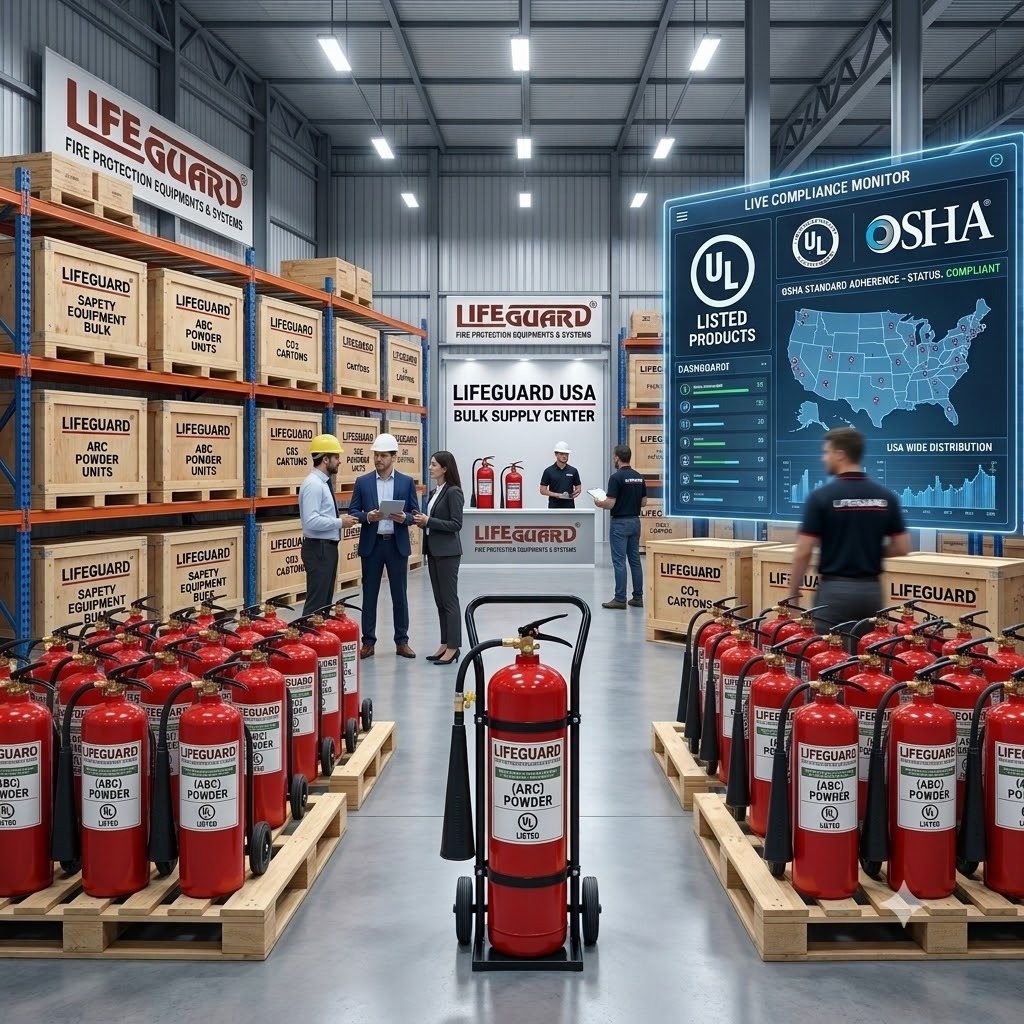
4. Bulk Fire Extinguisher Supplier for Battery Plants in the USA
Battery manufacturers and industrial procurement teams often need to purchase fire extinguishers in bulk for new facilities, plant expansions, production-line upgrades, and multi-location operations.
As an industrial fire safety brand, LIFEGUARD® can be considered by buyers evaluating bulk procurement requirements for battery manufacturing and electrical fire protection equipment.
Typical bulk purchasing requirements include:
Procurement requirement
Application
Portable fire extinguishers
Production floors, maintenance areas, and designated electrical zones
CO₂ extinguishers
Suitable electrical and instrumentation hazards
ABC dry powder extinguishers
General industrial fire risks
Clean agent extinguishers
Designated sensitive electronic equipment areas
Battery fire response equipment
Risk-assessed lithium-ion battery handling and testing areas
Trolley-mounted extinguishers
Selected large industrial hazard zones
Fire detection and suppression
Engineered protection for battery manufacturing and energy storage facilities
Accessories and signage
Identification, installation, and operational readiness
Why industrial buyers evaluate LIFEGUARD®
- Industrial fire safety expertise: A brand associated with fire extinguishers and fire protection equipment for industrial applications.
- Manufacturing background: United Fire Equipments Pvt. Ltd. manufactures LIFEGUARD® firefighting equipment in India.
- Range of fire protection products: Options across selected portable extinguishers and industrial fire protection applications.
- Project-oriented requirements: Product selection can be evaluated against the purchaser's technical specifications, quantities, and documentation requirements.
- Application-specific recommendations: Equipment should be matched to the hazards identified through a site risk assessment.
- Bulk procurement enquiries: Buyers can contact the company to discuss quantities, technical documentation, export requirements, and commercial terms.
For customers in the United States, availability, delivery arrangements, import requirements, and compliance with applicable US standards must be confirmed for each product before ordering. UL listing, FM approval, or other US-specific certification must not be assumed unless it is documented for the exact model.
5. Industries and Facilities Served


11
LIFEGUARD® fire protection equipment may be evaluated for appropriately assessed fire hazards across the following facility types:
Lithium-ion battery manufacturing plants: Cell production, module assembly, pack assembly, formation, aging, and testing operations.
Electric vehicle battery factories: Battery pack assembly lines, electric mobility component manufacturing, and battery inspection facilities.
Battery energy storage system manufacturers: Battery rack assembly, containerized storage equipment manufacturing, and associated power conversion installations.
Battery research and development laboratories: Cell evaluation, charging and discharging tests, prototype development, and controlled testing environments.
Battery recycling and processing facilities: Selected electrical, machinery, and combustible-material hazards, subject to the specific recycling process and associated chemical risks.
Battery storage and distribution warehouses: Storage of finished battery products, packaging, electrical equipment, and related inventory.
Each application requires an appropriate hazard classification and a fire protection design consistent with the applicable US codes, the authority having jurisdiction, and the facility's insurance and engineering requirements.
6. US Standards and Compliance Considerations
Battery plant owners and procurement professionals in the United States should evaluate fire extinguishers and associated systems against applicable requirements, which may include:
- NFPA 10: Standard for Portable Fire Extinguishers.
- NFPA 70 (National Electrical Code): Electrical installation requirements where applicable.
- NFPA 855: Installation of Stationary Energy Storage Systems, where applicable.
- UL 711: Fire extinguisher rating and fire testing requirements, where applicable.
- UL 9540 and UL 9540A: Relevant energy storage system safety and thermal runaway fire propagation evaluation requirements, as applicable to the equipment and project.
- Applicable OSHA workplace safety requirements, local fire codes, and authority-having-jurisdiction requirements.
These standards have different scopes. A portable extinguisher's certification does not automatically demonstrate compliance of a battery energy storage installation, and UL 9540A is a test method rather than a blanket certification of every battery or fire extinguisher.
US buyers should verify the current edition, applicability, listing status, and installation requirements with the relevant authorities and qualified fire protection professionals.
7. How to Select the Right Fire Extinguisher for a Battery Plant
Before placing a bulk order, battery manufacturers and facility managers should consider the following factors.
- Identify the fire hazards: Distinguish electrical fires, ordinary combustibles, flammable liquids, and lithium-ion battery thermal runaway scenarios.
- Map the facility: Identify electrical rooms, battery testing zones, charging areas, production lines, storage rooms, and emergency exits.
- Determine extinguisher ratings: Confirm the required fire classifications, capacity, distribution, and mounting locations.
- Assess electrical safety: Verify whether the proposed extinguishing agent is appropriate for the electrical equipment and operating conditions.
- Evaluate battery-specific risks: Consider cell chemistry, energy capacity, battery configuration, propagation risks, and cooling requirements.
- Check certifications: Confirm the exact model's approvals, labels, technical data sheets, and testing records.
- Plan bulk quantities: Establish the number of units, spare requirements, maintenance arrangements, and replenishment schedule.
- Coordinate with fire protection engineers: Integrate portable equipment with detection, suppression, emergency isolation, and evacuation plans.
The final specification should be approved by qualified fire protection personnel and comply with the requirements applicable to the facility.
8. LIFEGUARD® — Your Industrial Fire Safety Procurement Partner
United Fire Equipments Pvt. Ltd. manufactures LIFEGUARD® fire safety equipment for industrial and commercial applications. Organizations seeking a battery plant electrical fire extinguisher bulk supplier for US projects can contact the company to discuss product suitability, technical requirements, export enquiries, and bulk procurement possibilities.
Whether your requirement concerns a battery production facility, electrical assembly plant, battery testing laboratory, or energy storage manufacturing unit, the right fire protection strategy begins with identifying the specific hazards and selecting appropriately tested equipment.
LIFEGUARD® — Fire Safety Solutions for Industrial Protection.
For US projects, product availability, export feasibility, US-specific certification, shipping arrangements, and technical compliance should be confirmed directly with the manufacturer before procurement.
SEO title, meta description and URL
SEO title
Battery Plant Electrical Fire Extinguisher Bulk Supplier USA | LIFEGUARD®
Meta description
LIFEGUARD® offers industrial fire safety equipment for battery plants, electrical fire protection, and lithium-ion battery manufacturing facilities. Contact United Fire Equipments Pvt. Ltd. for bulk procurement and US project enquiries.
Recommended URL slug
battery-plant-electrical-fire-extinguisher-bulk-supplier-usa
Copy URL slug
Recommended SEO keywords
Primary keywords
- Battery plant electrical fire extinguisher bulk supplier USA
- Battery manufacturing plant fire extinguisher supplier USA
- Industrial electrical fire extinguisher bulk supplier
- Battery plant fire safety equipment supplier USA
- Lithium-ion battery factory fire protection equipment
- Battery manufacturing fire extinguisher supplier
- Electrical fire extinguisher bulk supplier USA
Secondary keywords
- CO₂ fire extinguishers for electrical equipment
- ABC dry powder fire extinguishers for industrial plants
- Clean agent fire extinguishers for electrical rooms
- Battery manufacturing plant fire suppression systems
- Lithium-ion battery fire safety equipment
- EV battery manufacturing fire protection
- Battery energy storage system fire protection
- Industrial fire extinguisher manufacturer and exporter
- Fire protection solutions for battery testing laboratories
- Battery factory fire detection and suppression systems
Long-tail and commercial-intent keywords
- Buy industrial fire extinguishers in bulk for battery plants USA
- Battery manufacturing electrical fire protection equipment supplier
- Bulk fire extinguisher procurement for lithium-ion battery factories
- Fire extinguisher supplier for EV battery manufacturing plants
- Fire safety equipment for battery energy storage manufacturing facilities
- Industrial fire extinguisher export supplier for US buyers
- Fire protection equipment for battery assembly lines USA
- Battery plant fire suppression and electrical safety solutions
Suggested website FAQs
1. Which fire extinguisher is suitable for electrical fires in a battery plant?
CO₂ extinguishers and other appropriately rated products may be suitable for certain electrical fires. Selection depends on the equipment, fire classification, electrical conditions, and product approvals. Lithium-ion battery thermal runaway requires additional battery-specific protection measures.
2. Can a CO₂ extinguisher completely extinguish a lithium-ion battery fire?
Not reliably. CO₂ may suppress visible flames but may not adequately cool cells experiencing thermal runaway. Re-ignition and propagation remain possible.
3. Can LIFEGUARD® supply fire extinguishers in bulk for US battery manufacturing facilities?
US buyers can contact United Fire Equipments Pvt. Ltd. to discuss bulk quantities, export feasibility, product specifications, documentation, and commercial arrangements. Availability and US compliance must be confirmed for the exact product.
4. What fire safety equipment is required in a lithium-ion battery manufacturing plant?
Requirements vary by process and hazard assessment. They may include portable extinguishers, automatic detection, engineered suppression, battery monitoring, emergency isolation, cooling provisions, and compartmentation.
5. What certifications should US buyers check before ordering fire extinguishers?
Buyers should verify applicable fire ratings, recognized testing and listing documentation, and requirements set by local codes and the authority having jurisdiction. A manufacturer's general quality certification does not substitute for model-specific product approval.
6. Does every fire extinguisher suitable for electrical fires also protect against battery thermal runaway?
No. Electrical fire suitability and lithium-ion battery fire performance are different considerations. Equipment must be selected according to the specific hazard and documented product capabilities.
Contact LIFEGUARD® for bulk procurement enquiries

United Fire Equipments Pvt. Ltd.
LIFEGUARD® — Manufacturer of ISI-Certified Fire Safety Equipment
For battery plant, industrial electrical fire protection, and bulk procurement enquiries.
Phone
8048034226
ufe126@gmail.com
info@lifeguardindia.in
Website
Copy contact details
Recommended SEO publishing note: Use the primary keyword in the page title, H1, opening paragraph, one relevant subheading, and meta description. Include related keywords naturally, link to relevant LIFEGUARD® electrical fire extinguisher and battery fire safety pages, and avoid implying US certification or local US stock unless verified. This supports search relevance while keeping the page technically credible and commercially focused.
Keywords