
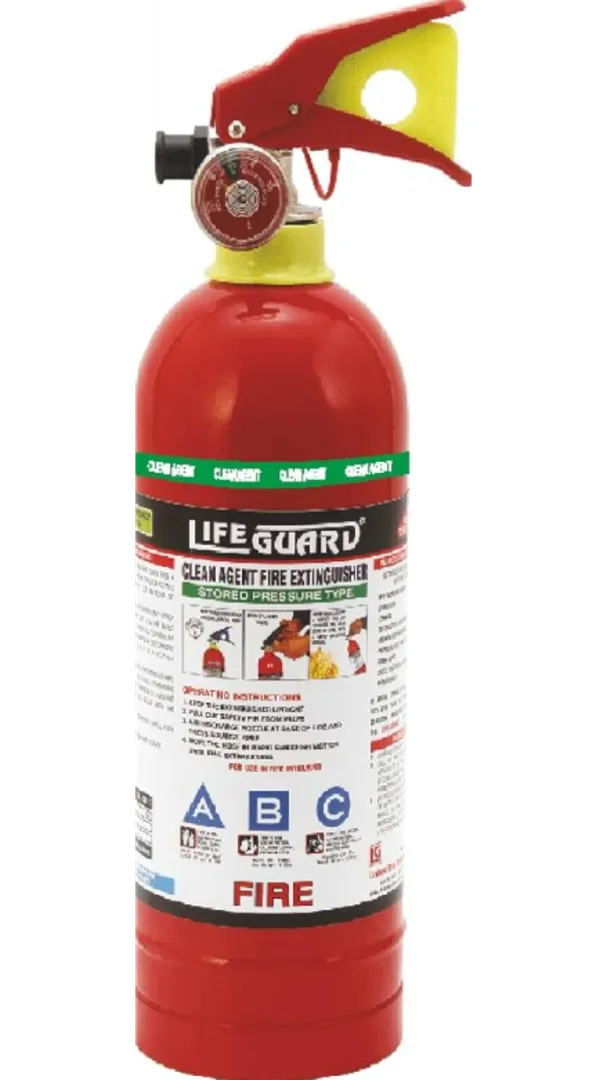
Server rooms, control centres, electrical rooms, communication facilities, plus other critical spaces contain equipment that can be highly vulnerable to fire as well as conventional extinguishing media. A Clean Agent Fire Suppression System is often considered for these environments because suitable agents can suppress fire without leaving the type of residue associated with many traditional extinguishing methods.
Selecting a system should begin with the protected risk rather than the agent name.
Identify What Needs Protection
The first question is simple what could be lost if a fire occurs?
Critical spaces may contain
- Servers
- Network equipment
- Electrical panels
- Process controls
- Telecommunications hardware
- Data storage equipment
- Sensitive electronics
- Valuable technical assets
The cost of damage may extend beyond equipment replacement.
A server room outage can interrupt business operations. A control-room incident can stop production. Telecommunications failures can disrupt communication across a facility.
This makes downtime an important part of fire protection planning.
Check the Fire Hazard
Not every room containing electronics has the same fire risk.
The assessment should identify potential ignition sources, combustible materials, cable concentrations, electrical loads, battery systems, ventilation, plus equipment configuration.
This information helps determine whether clean-agent protection is appropriate.
Evaluate Occupancy
Some protected rooms remain occupied for substantial periods. Others receive only occasional maintenance visits.
Occupancy affects system design.
Alarm sequences, warning devices, discharge delays, manual controls, emergency procedures, plus safety provisions should reflect how people use the space.
Staff need to understand what alarms mean plus what actions are expected before system discharge.
Review Enclosure Integrity
Clean-agent systems rely upon achieving plus maintaining a suitable concentration within the protected enclosure.
Leakage can reduce retention.
Doors, cable penetrations, raised floors, ceiling voids, ducts, wall openings, plus ventilation systems need attention.
A room that appears enclosed may still contain numerous leakage paths.
Facility modifications can create new openings over time, so enclosure conditions should be reviewed following major changes.
Consider Equipment Shutdown Requirements
Ventilation plus air movement can influence agent retention.
The suppression sequence may therefore need to interface with HVAC equipment, dampers, electrical systems, process equipment, plus other building controls.
These interfaces should be planned during design rather than added as an afterthought.
Examine Detection Strategy
Early detection is particularly valuable in critical technical spaces.
Detector type plus placement should reflect airflow, ceiling conditions, room dimensions, equipment layout, plus likely fire development.
The detection system needs to communicate reliably with the suppression control equipment.
Testing should verify the complete sequence rather than individual components alone.
Plan for Future Expansion
A server room that contains ten racks today may contain twenty later.
Facility owners should consider likely expansion during initial planning.
Additional equipment can change heat loads, airflow patterns, cable density, room configuration, plus fire risk.
Major changes may require reassessment of the suppression system.
Maintenance Should Be Easy to Manage
A technically capable system still needs ongoing attention.
Maintenance programmes should cover agent containers, detection equipment, control panels, alarms, release mechanisms, piping, nozzles, interfaces, plus enclosure conditions.
Service records should remain organised so facility managers can identify inspection history plus outstanding issues.
United Fire Equipment Pvt Ltd serves fire protection requirements where clean-agent applications can be relevant to sensitive facilities across Delhi.
When evaluating a Clean Agent Fire Suppression System, facility managers should look beyond a product specification. Hazard suitability, enclosure integrity, occupancy, detection, shutdown logic, maintenance access, future expansion, plus operational continuity all influence whether the final system is appropriate.
The best selection process begins with the room, the equipment, plus the consequences of fire.
Keywords






