

Steel is one of the most widely used construction materials in industrial and commercial buildings because of its strength and durability. However, when exposed to high temperatures during a fire, steel can lose its load-bearing capacity much faster than many people realise. This is why Fire Retardant Coating has become an important part of fire protection planning for buildings across Delhi.
These specialised coatings help improve the fire resistance of structural components, allowing buildings to maintain stability for a longer period during fire emergencies.
What Is Fire Retardant Coating?
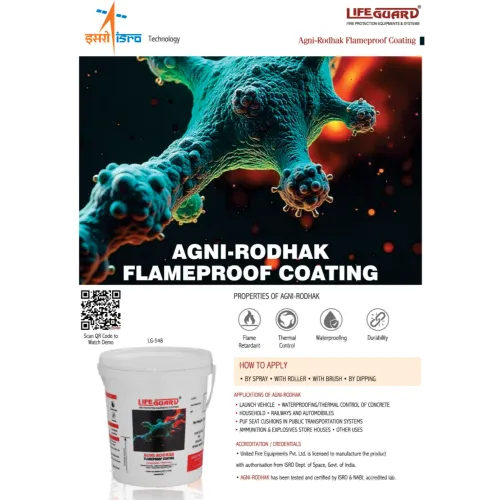
Fire retardant coating is a protective layer applied to structural surfaces to reduce the impact of heat during a fire. Certain coatings expand when exposed to high temperatures, creating an insulating layer that slows heat transfer to the underlying material.
This additional protection can help preserve the structural integrity of steel members while emergency response measures are carried out.
Where Is Fire Retardant Coating Used?
These coatings are commonly applied in projects where fire resistance is an important design requirement.
Typical applications include:
- Industrial factories
- Warehouses
- Commercial buildings
- Airports
- Data centres
- Shopping complexes
- Hospitals
- Educational institutions
- Infrastructure projects
The coating selection depends on environmental conditions, structural design, and required fire resistance ratings.
Benefits Beyond Fire Resistance
Fire retardant coatings offer several operational advantages beyond improving fire safety.
These include:
- Enhanced protection for structural steel
- Reduced heat transfer during fire exposure
- Improved building resilience
- Long service life with proper maintenance
- Compatibility with various construction projects
- Support for regulatory compliance
When incorporated during construction, these coatings become part of the building's long-term fire protection strategy.
Factors to Consider Before Application
Choosing the right coating requires careful evaluation of project requirements.
Important considerations include:
- Type of substrate
- Indoor or outdoor exposure
- Desired fire resistance duration
- Environmental conditions
- Surface preparation requirements
- Maintenance schedule
Proper application is equally important, as incorrect thickness or inadequate surface preparation can affect overall performance.
Fire Safety Trends in Delhi
As industrial and commercial developments continue to expand throughout Delhi, project owners are increasingly integrating fire-resistant construction materials into building designs. This approach supports both occupant safety and business continuity by reducing the potential impact of fire incidents.
Construction consultants, architects, and facility managers are paying greater attention to structural fire protection, particularly in facilities housing valuable machinery or high-density electrical installations.
Companies such as United Fire Equipment Pvt Ltd contribute to safer construction practices by manufacturing fire protection solutions suited to modern industrial requirements. Selecting appropriate fire retardant coatings as part of an overall fire safety strategy helps create buildings that are better prepared for unexpected emergencies.