
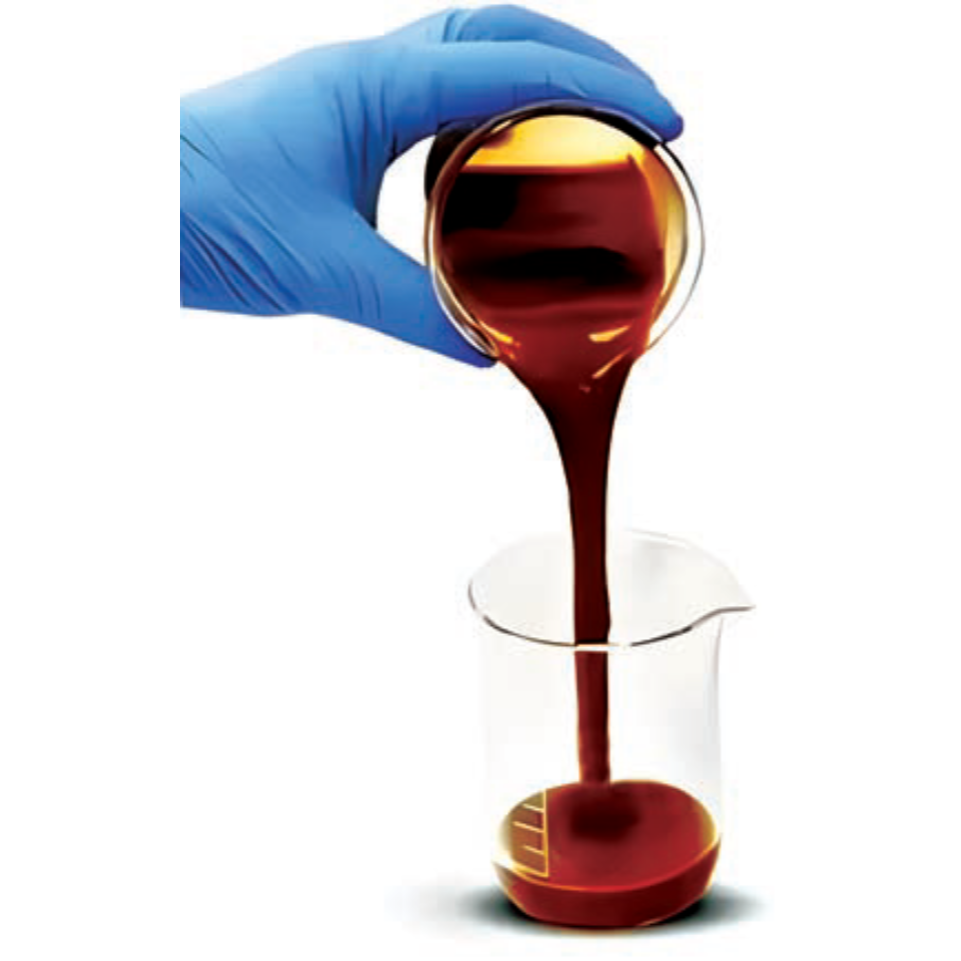
Lithium-ion fires are fast, hot, and notoriously hard to control. HMS (Hydrated Mica Suspension) is a non-conductive, mineral-based extinguishing agent engineered for modern electrified hazards. It cools rapidly, interrupts thermal runaway propagation, and forms a persistent insulating layer that helps prevent re-ignition — all while being safe for energized equipment up to specified voltages.
Who is this for?
- EV manufacturers, fleet operators, service centers, and charging infrastructure owners
- Battery Energy Storage System (BESS) integrators and site operators
- Data centers, telecom shelters, UPS rooms, and other lithium-heavy installations
- Warehouses, logistics hubs, recycling facilities, and R&D labs handling Li-ion cells or packs
Why HMS for Lithium Fires?
- Non-conductive and equipment-safe when used as directed
- Rapid cooling to arrest thermal runaway and limit cell-to-cell propagation
- Coats surfaces with a protective layer to reduce re-ignition risk
- Minimal residue compared to powders and foams
- Effective across modules, packs, and ancillary components without damaging sensitive electronics more than necessary
Two Ways to Deploy HMS Based on Your Risk Profile
1) Handheld Portable Extinguishers — Lion‑ex (Operator‑Directed Response)
Best for mobile risks, early-stage incidents, and spot interventions.
- Ideal use cases
- EV workshops, service bays, test labs, vehicle carriers, and charging hubs
- BESS maintenance zones and balance-of-plant areas
- First response kits for facility teams and mobile units
- Application method
- Approach from a safe angle with wind at your back
- Use short, controlled bursts to penetrate and cool the heat source
- Sweep to coat surfaces and create a thermal barrier
- Monitor for re-ignition and reapply as needed
- Advantages
- Rapid first response
- Targeted application where fixed systems cannot reach
- Lower total cost for distributed points of risk
- Recommended placement
- Near EV lifts and battery teardown zones
- Adjacent to charge points and power electronics
- At access doors to BESS containers or enclosures
- Training essentials
- Familiarize teams with lithium-specific hazards and signs of thermal runaway
- Drill on approach angles, standoff distances, and re-ignition monitoring
- Integrate with lockout/tagout and emergency shutdown procedures
2) HMS-Based Automatic Detection & Suppression System — Fixed Installations
Best for enclosed, high-energy environments where early, unmanned intervention is critical.
- Ideal use cases
- BESS containers and inverters
- EV battery testing chambers, formation rooms, and cyclers
- UPS rooms, telecom shelters, energy hubs, and DC fast-charger cabinets
- System architecture
- Detection: multi-criteria sensors for heat, gas, smoke, and rate-of-rise
- Control: intelligent panel with staged responses and fail-safe logic
- Suppression: HMS discharge through nozzles or misting manifolds for deep cooling and barrier formation
- Integration: alarms, SCADA/BMS signals, E‑stop, ventilation controls, and remote notifications
- Advantages
- Early autonomous activation to limit escalation
- Uniform agent distribution, including hard-to-reach compartments
- Continuous cooling profile to reduce re-ignition
- Design considerations
- Nozzle mapping for pack, module, and cable tray coverage
- Compartmentalization and ventilation shutdown sequencing
- Post-discharge monitoring with thermal and gas feedback
- Maintenance
- Scheduled inspections, function tests, and fluid health checks
- Verification of detection thresholds based on site risk profile
Where to Use HMS: Typical Areas of Fire Risk
- EV ecosystems
- Battery pack storage and staging
- Service bays, teardown benches, and R&D test rigs
- Public and depot charging stations, DC fast chargers, and power cabinets
- BESS facilities
- Containerized battery rooms and auxiliary DC rooms
- Inverter skids and cable galleries
- HVAC plenums and ventilation paths
- Critical power and telecom
- UPS rooms, switchgear spaces, and battery banks
- Remote shelters and off-grid energy sites
- Logistics and recycling
- Battery sorting lines, quarantine cages, and transit docks
- Scrap handling and hazard bins
Choosing the Right HMS Solution
- Portable Lion‑ex extinguishers if you need:
- Immediate, targeted response by trained personnel
- Flexible coverage across many small or mobile risks
- A cost-effective first line of defense
- HMS automatic systems if you need:
- 24/7 autonomous protection in enclosed spaces
- Early detection, fast knockdown, and re-ignition control
- Integration with BMS, alarms, and site controls
Many sites deploy both: Lion‑ex for quick interventions and HMS fixed systems for continuous, automated protection.
Deployment Best Practices
- Risk assessment: map energy density, airflow, and likely propagation paths
- Zoning: separate high-risk compartments and design for containment
- Detection strategy: combine thermal, gas, and rate-of-rise for earlier activation
- Ventilation control: coordinate fan shutdown and dampers to limit oxygen supply
- Post-incident protocol: monitor for hotspots, isolate energy, and verify with IR
- Documentation: maintain training logs, inspection records, and discharge reports
Compliance and Safety Notes
- Use HMS products as specified by relevant standards and local AHJ guidance
- Confirm electrical safety ratings for live equipment before application
- Provide PPE and training specific to lithium-ion events
- Coordinate with insurance and regulatory bodies during system design
Ready to upgrade your lithium fire protection?
Whether you manage EV fleets, operate BESS, or run high‑energy labs, HMS helps you act faster, cool deeper, and reduce re‑ignition.
- For rapid response: equip teams with Lion‑ex handheld HMS extinguishers
- For continuous protection: specify an HMS‑based detection and suppression system tailored to your site
Message us to assess your risk profile and design the right HMS solution for your operation.