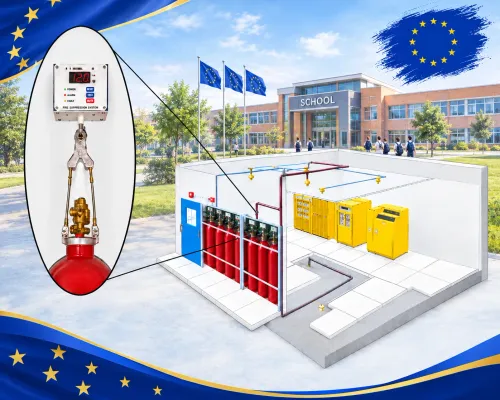
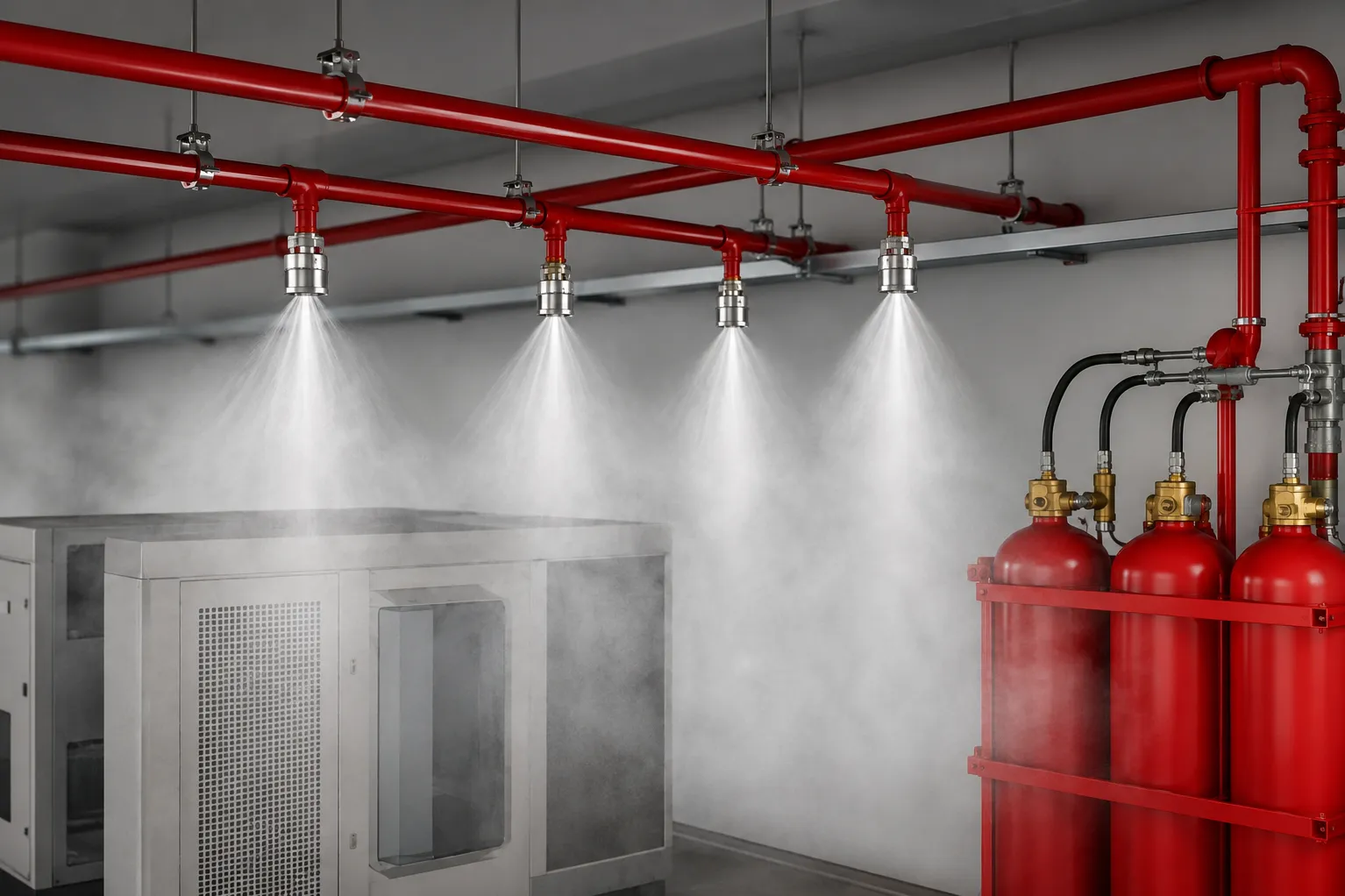
Some fires can grow from a minor incident into a major emergency within minutes. In environments containing valuable equipment, combustible materials, or critical operations, waiting for manual intervention may allow the fire to spread rapidly. This is where an Automatic Fire Suppression System plays an important role.
Designed to detect and respond to fire without depending on immediate human action, these systems are increasingly used across industrial and commercial facilities in Delhi.
What Is an Automatic Fire Suppression System?
An automatic fire suppression system is designed to detect signs of fire and release a suitable suppression agent when specific conditions are met. The objective is to control or suppress the fire during its early stages, helping minimise damage to property and equipment.
Depending on the application, these systems may work alongside fire detection equipment, alarms, and emergency shutdown mechanisms.
Facilities That Commonly Use Automatic Fire Suppression
Automatic suppression systems are suitable for locations where rapid fire response is essential.
Examples include:
- Manufacturing plants
- Electrical control rooms
- Data centres
- Battery storage facilities
- Warehouses
- Commercial kitchens
- Server rooms
- Laboratories
- Telecom infrastructure
The design of the suppression system depends on the type of fire hazard present within each facility.
Advantages of Automatic Suppression Systems
Installing an automatic suppression system offers several operational benefits.
These include:
- Faster fire response
- Reduced property damage
- Protection of critical equipment
- Improved workplace safety
- Reduced operational downtime
- Better support for emergency response teams
While no system can eliminate every fire risk, early intervention often limits the extent of damage.
Supporting Fire Safety Through Regular Maintenance
Even advanced suppression systems require routine inspections to remain effective.
A maintenance programme should include:
- Functional testing
- Detector inspection
- Control panel verification
- Agent level checks
- Pipework inspection
- Valve testing
- Documentation updates
Regular servicing ensures the system remains ready whenever an emergency occurs.
Why Businesses in Delhi Are Investing in Automatic Suppression
Industrial expansion, increased automation, battery-powered technologies, and high-value equipment have changed the fire safety requirements of many organisations in Delhi. Businesses are increasingly adopting integrated fire protection solutions that combine detection, suppression, and emergency response planning.
Manufacturers such as United Fire Equipment Pvt Ltd support these evolving safety requirements by developing fire protection systems suitable for a wide range of industrial and commercial applications.
An automatic fire suppression system should always be viewed as one part of a comprehensive fire safety programme. When combined with employee training, preventive maintenance, passive fire protection, and regular risk assessments, it helps organisations improve resilience against fire emergencies while supporting safer day-to-day operations.
Keywords