Manufacturing Plant Automatic Fire Suppression System Manufacturer in Asia | LIFEGUARD®
Advanced Automatic Fire Suppression Solutions for Manufacturing Plants Across Asia
Manufacturing plants are critical to Asia's industrial growth, supporting sectors such as automotive, pharmaceuticals, chemicals, electronics, textiles, engineering, steel, food processing, power generation, and industrial warehousing. As production facilities become increasingly automated and technologically advanced, the importance of reliable manufacturing plant automatic fire suppression systems in Asia continues to grow.
Fire incidents in industrial environments can arise from electrical faults, overheating machinery, flammable liquids, combustible dust, hydraulic equipment, production processes, and energy storage installations. Without suitable fire detection and suppression measures, an incident can threaten personnel, damage expensive equipment, interrupt production, and affect business continuity.
LIFEGUARD®, manufactured by United Fire Equipments Pvt. Ltd. (UFEPL), offers fire safety equipment and supports industrial fire protection requirements through application-oriented products and suppression solutions. For manufacturing plants across Asia, LIFEGUARD® provides a point of contact for enquiries concerning automatic fire suppression equipment, industrial fire extinguishers, gaseous suppression solutions, and specialised fire protection requirements.
As a fire safety equipment manufacturer based in India, United Fire Equipments Pvt. Ltd. works with industrial customers and project stakeholders seeking suitable firefighting equipment for manufacturing facilities, industrial plants, machinery areas, electrical installations, and other critical applications.
LIFEGUARD® – Automatic Fire Suppression Manufacturer for Industrial Applications
Automatic fire suppression systems are designed to detect a fire or a defined fire-related condition and activate a suppression mechanism without requiring a person to manually operate a portable extinguisher. Depending on the technology, the system may respond to heat, smoke, flame, or another specified detection signal.
For manufacturing facilities, automatic suppression can provide an additional layer of protection in areas where a fire could develop quickly, where equipment operates continuously, or where immediate manual intervention may be difficult.
LIFEGUARD® supports fire protection equipment requirements for industrial applications where system selection must account for the fire hazard, equipment configuration, operating environment, occupancy, and applicable safety standards.
Automatic fire suppression solutions may be considered for:
- Industrial machinery and production equipment.
- Electrical control panels and motor control centres.
- Generator rooms and selected engine compartments.
- Data rooms and industrial control infrastructure.
- Flammable-liquid handling and processing areas.
- Selected enclosed equipment and machinery spaces.
- Battery energy storage and specialised electrical applications.
- Other industrial hazards identified through a fire risk assessment.
The precise equipment configuration, detection method, suppression agent, actuation mechanism, and system performance must be established through an application-specific engineering assessment.
Why Manufacturing Plants Need Automatic Fire Suppression Systems
Manufacturing plants often contain high-value machinery, electrical distribution systems, automated production lines, combustible raw materials, and equipment operating at elevated temperatures. A fire involving one critical component can spread to adjacent machinery or disrupt an entire production process.
An appropriately designed automatic fire suppression system can help address these risks by detecting a fire condition and delivering a suitable extinguishing agent to the protected hazard.
1. Early Fire Detection and Automatic Activation
Automatic systems can be designed to respond to defined fire indicators and initiate suppression according to their approved operating principles. Depending on the application, activation may be automatic, manual, or supported by both methods.
Rapid detection and appropriate system activation can help reduce the opportunity for a fire to escalate, although actual performance depends on system design, maintenance, and the nature of the incident.
2. Protection for Critical Machinery
CNC machines, hydraulic equipment, industrial presses, production machinery, and selected processing systems may contain lubricants, hydraulic fluids, electrical components, or other potential ignition sources.
An engineered local application suppression system may be considered where a fire could damage machinery or interrupt essential production operations.
3. Reduced Exposure to Manual Intervention
A fire can develop in a machinery enclosure, electrical cabinet, or restricted-access area where immediate manual firefighting is difficult. Automatic suppression can provide a response mechanism in such locations, while emergency alarms, shutdown procedures, and evacuation arrangements remain essential.
4. Support for Business Continuity
Fire damage may lead to equipment replacement, production delays, material losses, and costly downtime. Appropriate fire protection measures can form part of a wider industrial risk management and business continuity programme.
5. Protection for High-Risk Enclosures
Some industrial hazards are located inside enclosed equipment or dedicated rooms. Depending on the hazard and system approval, a suitable suppression solution may be designed to protect the enclosure, the equipment within it, or a specific local hazard.
Enclosure integrity, ventilation, pressure relief, discharge arrangements, and personnel safety must be evaluated where relevant.
Types of Automatic Fire Suppression Systems for Manufacturing Plants in Asia
The most suitable automatic fire suppression technology depends on the type of fire anticipated, the equipment being protected, the environment, and the applicable codes and approvals.
Automatic Gaseous Fire Suppression Systems
Gaseous suppression systems may be used in suitably designed protected enclosures containing sensitive electrical and electronic equipment. Depending on the design, the system may use a clean agent or another approved gaseous extinguishing medium.
Potential applications include:
- Electrical and control rooms.
- Server rooms and data centres.
- Industrial automation infrastructure.
- Selected equipment enclosures.
- Critical electronic and instrumentation areas.
LIFEGUARD® supports enquiries involving gaseous fire suppression requirements, including applicable clean-agent solutions through its authorised supply arrangements.
System design must consider the selected agent, enclosure volume, leakage, concentration requirements, occupancy, discharge conditions, and personnel safety. Agent selection and system design must comply with applicable standards and approval requirements.
Automatic Fire Suppression for Industrial Machinery
Manufacturing machinery may present fire hazards associated with hydraulic fluids, lubricating oils, hot surfaces, electrical components, and mechanical friction.
An automatic machinery suppression arrangement may include a suitable detection mechanism, a compatible suppression agent, discharge nozzles, control equipment, alarms, and interfaces for equipment shutdown where required.
Applications may include selected CNC machinery, industrial processing equipment, and specialised production systems. Compatibility with the machinery and its fire hazard must be established before selecting the suppression technology.
Automatic Fire Suppression for Electrical Panels
Electrical panels, motor control centres, switchgear, and automation cabinets can contain ignition sources that may result in fire or equipment damage.
Depending on the cabinet design and hazard assessment, protection may involve automatic detection, specialised local suppression, suitable portable extinguishers nearby, and coordinated electrical isolation.
The selected solution must be compatible with energised equipment, the enclosure configuration, the possible fire fuels, and the applicable electrical and fire safety requirements.
Automatic Foam-Based Fire Suppression Systems
Foam-based suppression may be appropriate for certain flammable-liquid hazards, including selected industrial processes involving fuels, oils, or solvents.
Depending on the application, fixed foam systems may use suitable detection and actuation arrangements to discharge foam through approved equipment.
Foam selection must consider the specific liquid, environmental requirements, drainage and containment arrangements, and relevant fire protection standards. Foam systems should not be assumed suitable for every industrial chemical or liquid fire.
Automatic Water-Based and Water-Mist Suppression
Water-based and water-mist systems may be appropriate for selected manufacturing environments where the fire hazard, equipment, and occupancy permit their use.
Water-mist technology uses specially designed nozzles to produce fine droplets under specified operating conditions. Its performance depends on the system design, pressure, droplet characteristics, fire scenario, and relevant testing or approval.
Water-based systems must not be used indiscriminately around water-reactive materials, certain combustible metals, or incompatible electrical and chemical hazards.
Specialised Fire Suppression for Battery and Energy Storage Applications
Lithium-ion battery manufacturing, battery assembly, electric vehicle production, and battery energy storage installations may present complex hazards, including thermal runaway, propagation between cells, reignition, and hazardous gas release.
A suitable protection strategy may involve thermal monitoring, early detection, electrical isolation, ventilation, fire-resistant separation, emergency response procedures, and carefully evaluated suppression or cooling technologies.
The correct solution depends on the battery chemistry, cell configuration, energy capacity, enclosure, and applicable test evidence. A conventional automatic suppression system should not be assumed capable of preventing or extinguishing every battery thermal runaway event.
Industry-Specific Automatic Suppression Solutions
Automotive Manufacturing Plants
Automotive production facilities may contain robotic equipment, welding operations, paint shops, hydraulic machinery, flammable liquids, and electrical control systems.
Automatic fire suppression can be evaluated for selected machinery, enclosed equipment, and process areas where a fire could interrupt production or damage critical assets. Paint and solvent-related hazards require particular attention to flammable vapours, ventilation, and hazardous-area requirements.
Pharmaceutical Manufacturing Facilities
Pharmaceutical plants may include processing machinery, laboratories, electrical rooms, packaging lines, and areas handling combustible or flammable substances.
Automatic suppression solutions must be selected according to the materials present, contamination considerations, personnel occupancy, process conditions, and applicable regulatory requirements.
Chemical and Process Manufacturing Plants
Chemical facilities may involve flammable liquids, combustible gases, reactive materials, and processes operating under specific temperature and pressure conditions.
Fire protection design must consider chemical compatibility, potential escalation, hazardous-area classification, process isolation, and the consequences of suppression-agent discharge. A specialist process hazard assessment is essential.
Electronics and Semiconductor Manufacturing
Electronics manufacturing facilities rely on sensitive production equipment, automation systems, electrical cabinets, and specialised process machinery.
Depending on the application, suitable detection and automatic suppression arrangements can help protect selected enclosures and critical equipment. The selected agent must be compatible with the hazard, the equipment, and the protected environment.
Textile and Packaging Manufacturing
Textile factories and packaging plants can contain substantial quantities of combustible fibres, fabrics, cartons, plastics, and other materials.
Automatic fire suppression may form part of a wider protection strategy that also considers detection, storage arrangements, housekeeping, dust control, evacuation, and fixed firefighting provisions.
Food Processing and Industrial Packaging
Food processing plants may include ovens, conveyors, electrical systems, packaging machinery, refrigeration infrastructure, and oil-handling equipment.
Automatic suppression requirements should be determined according to the equipment and fire hazard. Cooking oils and fats, where present, require appropriate specialised protection rather than an assumption that a general-purpose system will be suitable.
Industrial Warehouses and Distribution Facilities
Manufacturing plants often operate warehouses for raw materials, finished products, packaging, and spare parts.
Depending on the commodity, storage height, building configuration, and fire load, protection may involve suitable automatic sprinkler systems, detection arrangements, and other approved fixed fire protection measures.
Automatic Fire Suppression System Design and Integration
An automatic suppression system must be designed as part of the wider fire protection infrastructure rather than treated as an isolated product.
A typical engineered system may include:
- Detection devices: Suitable heat, smoke, flame, or specialised detectors selected for the hazard.
- Control and actuation equipment: A compatible arrangement to initiate suppression and coordinate the intended sequence of operation.
- Suppression agent storage: Cylinders, tanks, or other approved storage arrangements appropriate to the selected technology.
- Discharge pipework and nozzles: Components engineered to distribute the agent as required by the approved design.
- Alarm and notification interfaces: Appropriate local alarms, monitoring, and signalling arrangements.
- Equipment shutdown interfaces: Where required, coordinated isolation of machinery, fuel supplies, ventilation, or other services.
- Manual release and emergency controls: Appropriate controls where required by the system design and applicable standards.
- Inspection and maintenance: Periodic inspection, testing, servicing, and documentation according to manufacturer instructions and relevant regulations.
Not every system requires all these components. The configuration depends on the selected technology, hazard, project requirements, and applicable standards.
Manufacturing Plant Automatic Suppression Manufacturer and OEM Partner in Asia
Industrial procurement teams, EPC contractors, engineering consultants, plant owners, and system integrators often seek a dependable manufacturer or OEM partner for fire safety equipment.
United Fire Equipments Pvt. Ltd. manufactures LIFEGUARD® fire safety equipment and has operated in the sector since 1991, according to its company profile. The company provides industrial fire safety products and supports enquiries concerning equipment for manufacturing and institutional applications.
For automatic suppression projects, customers can enquire about:
- Suitable suppression equipment for the identified hazard.
- Technical specifications and product documentation.
- Applicable product approvals and certification details.
- OEM manufacturing and supply requirements.
- Project-specific equipment selection.
- Technical coordination for industrial applications.
- Export enquiries and destination-market requirements.
- Authorised supply arrangements for relevant suppression technologies.
The precise scope of design, engineering, installation, commissioning, and maintenance must be confirmed for each project. Product certification and system approval should be verified separately, where applicable.
Automatic Fire Suppression Solutions Across Asian Markets
Asia includes diverse manufacturing economies with different industrial regulations, building codes, and fire safety requirements. Fire protection equipment must be selected according to the rules applicable in the destination country and the particular project.
LIFEGUARD® welcomes enquiries relating to manufacturing plant automatic fire suppression equipment and industrial fire protection requirements in:
India: Automotive manufacturing, pharmaceutical facilities, engineering plants, electronics production, industrial estates, and warehouses.
Southeast Asia: Electronics manufacturing, automotive assembly, food processing, industrial parks, and logistics infrastructure.
East Asia: Advanced manufacturing, industrial machinery, electronics, and technology-related production facilities.
South Asia: Textile manufacturing, engineering industries, process plants, and industrial storage facilities.
Central and West Asia: Manufacturing developments, energy-related industrial infrastructure, process facilities, and selected industrial projects.
Availability, delivery, product approvals, and technical support depend on the destination, project scope, and applicable commercial arrangements.
Why Choose LIFEGUARD® for Industrial Fire Suppression Requirements?
Selecting fire suppression equipment requires careful evaluation of product suitability, engineering requirements, applicable approvals, reliability, and ongoing maintenance.
LIFEGUARD® provides a fire safety equipment portfolio intended to support industrial and institutional requirements through United Fire Equipments Pvt. Ltd.
Customers evaluating LIFEGUARD® can discuss:
- Industrial fire safety equipment manufactured under the LIFEGUARD® brand.
- Manufacturing experience in firefighting equipment.
- Technical information and applicable certification documentation.
- Equipment options for different industrial fire hazards.
- OEM and export supply enquiries.
- Project-specific requirements for fire suppression equipment.
- Relevant gaseous suppression products through authorised supply arrangements.
For engineered automatic suppression systems, the proposed design, components, installation, commissioning, and maintenance responsibilities should be clearly established before the project is awarded.
Frequently Asked Questions
1. What is an automatic fire suppression system in a manufacturing plant?
An automatic fire suppression system is a fire protection arrangement designed to detect a defined fire condition and activate a suitable extinguishing mechanism without requiring a person to operate a portable extinguisher manually. The system may protect machinery, electrical enclosures, process equipment, or dedicated rooms, depending on its design.
2. Which automatic fire suppression system is best for a manufacturing plant?
There is no universal solution for every manufacturing plant. Clean-agent systems, foam systems, water-based systems, water-mist systems, and specialised local application systems address different hazards. The appropriate solution depends on the fire risk, equipment, materials, occupancy, and applicable standards.
3. Can automatic suppression systems protect industrial machinery?
Yes. Properly designed systems may protect selected machinery and equipment enclosures. The detection method, extinguishing agent, nozzle arrangement, and shutdown interfaces must be compatible with the equipment and the expected fire scenario.
4. Does LIFEGUARD® manufacture automatic fire suppression systems?
United Fire Equipments Pvt. Ltd. manufactures LIFEGUARD® fire safety equipment and supports industrial fire suppression requirements through relevant products and authorised supply arrangements. The manufacturing scope, system engineering capability, and availability of a specific automatic suppression system should be confirmed directly for the project.
5. Can LIFEGUARD® support OEM and export enquiries across Asia?
OEM and export enquiries can be directed to United Fire Equipments Pvt. Ltd. Product availability, technical specifications, commercial terms, documentation, and local regulatory approvals must be verified for the destination market.
6. How often should automatic fire suppression systems be inspected?
Inspection and maintenance frequency depends on the system type, manufacturer instructions, applicable standards, local regulations, and site conditions. Facilities should maintain documented inspection, testing, servicing, and corrective-action records.
7. Are automatic fire suppression systems suitable for lithium-ion battery fires?
Some specialised technologies may form part of a battery fire protection strategy, but lithium-ion battery incidents can involve thermal runaway and reignition. A system must be evaluated for the specific battery chemistry, configuration, installation, and supporting test evidence.
Contact LIFEGUARD® for Manufacturing Plant Automatic Fire Suppression Requirements in Asia
Looking for a manufacturing plant automatic suppression manufacturer, industrial fire suppression equipment supplier, or fire safety equipment partner for your project in Asia?
Contact United Fire Equipments Pvt. Ltd., manufacturer of LIFEGUARD® fire safety equipment, to discuss your industrial fire protection requirements, applicable suppression products, OEM enquiries, and project specifications.
United Fire Equipments Pvt. Ltd. (UFEPL)
Brand: LIFEGUARD®
Specialisation: Manufacturer of ISI-Certified Fire Safety Equipment
Phone: 8048034226
Email: ufe126@gmail.com | info@lifeguardindia.in
Website: www.lifeguardindia.in
Factory Address:
B-38, Mangolpuri Industrial Area, Phase-II, New Delhi – 110034, India.
Corporate Office:
K-960, LIFEGUARD Tower, Rithala, Opposite SBI, Rohini, New Delhi – 110085, India.
Contact our team for product enquiries, technical documentation, OEM requirements, and industrial fire suppression equipment procurement.
LIFEGUARD® – Fire Safety Equipment for Industrial Protection, Equipment Safety, and More Resilient Manufacturing Operations.
SEO Metadata
SEO Title: Manufacturing Plant Automatic Suppression Manufacturer Asia | LIFEGUARD®
Meta Description: Explore LIFEGUARD® automatic fire suppression equipment for manufacturing plants across Asia. Enquire about industrial fire protection, machinery suppression, and gaseous suppression solutions.
Suggested URL Slug:
/manufacturing-plant-automatic-suppression-manufacturer-asia/
Primary Focus Keyword: Manufacturing Plant Automatic Suppression Manufacturer Asia
Secondary Keywords:
- Manufacturing plant automatic fire suppression Asia
- Automatic fire suppression manufacturer Asia
- Industrial automatic fire suppression systems
- Manufacturing plant fire suppression equipment
- Automatic machinery fire suppression system
- Industrial fire suppression equipment manufacturer
- Automatic fire suppression system supplier Asia
- Factory automatic fire protection systems
- Industrial fire suppression OEM manufacturer
- Automatic fire suppression for electrical panels
- Gaseous fire suppression solutions for manufacturing plants
- LIFEGUARD® fire suppression equipment
Suggested H1: Manufacturing Plant Automatic Fire Suppression Manufacturer in Asia
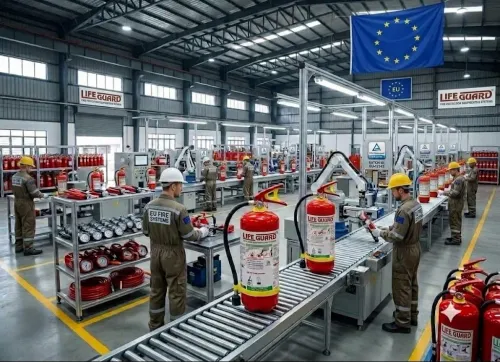
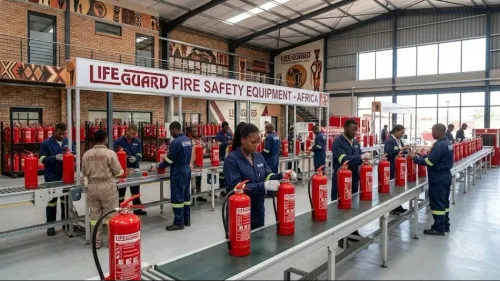
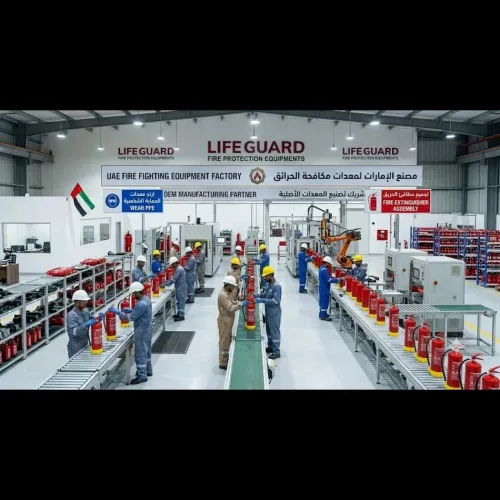
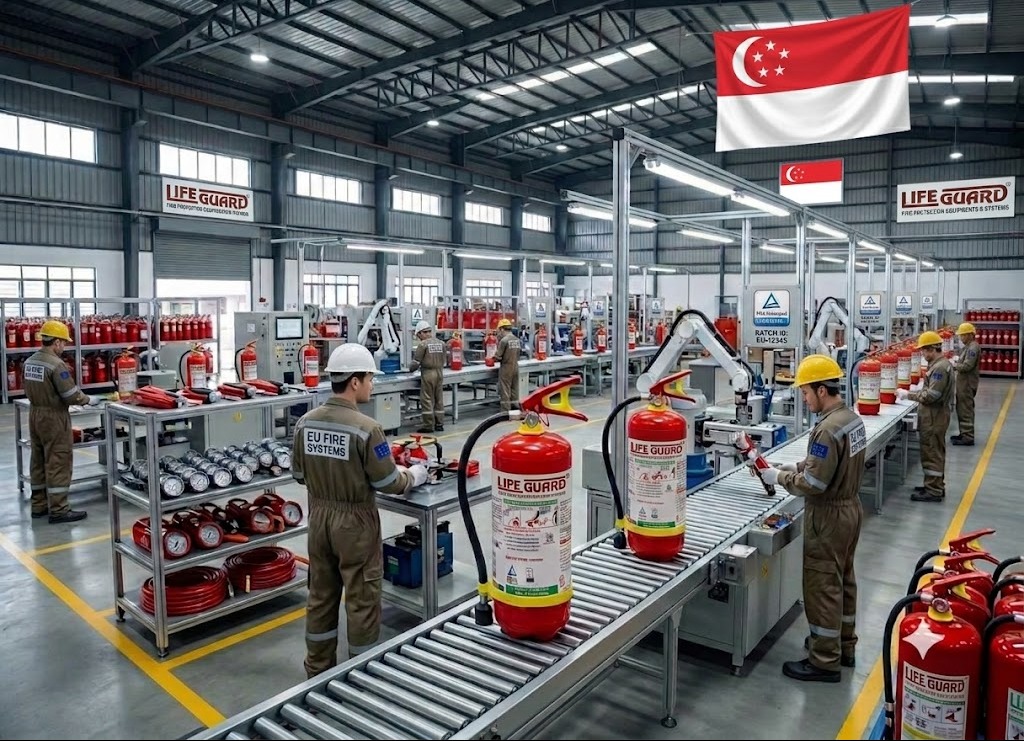
Suggested Image Alt Text: LIFEGUARD® automatic fire suppression equipment for manufacturing plants and industrial facilities across Asia.
Suggested Internal Links: Link this page to relevant LIFEGUARD® pages covering industrial fire extinguishers, fire suppression systems, CO₂ fire extinguishers, clean-agent gas suppression, machinery fire protection, electrical panel fire protection, and industrial fire safety equipment.
SEO Recommendation: Publish this page with unique content and relevant internal links. Avoid unsupported claims about automatic suppression system manufacturing, certifications, or country-specific approvals. Confirm the exact product and service scope before describing LIFEGUARD® as the manufacturer of a particular complete automatic suppression system.
Keywords