Manufacturing Plant Fire Safety Equipment Manufacturer in India | LIFEGUARD®
Trusted Fire Safety Equipment for Manufacturing Plants Across India
Manufacturing plants require reliable fire safety equipment to protect employees, machinery, raw materials, finished goods, electrical installations, and critical production infrastructure. From automobile component factories and pharmaceutical facilities to textile mills, food processing units, chemical plants, electronics manufacturers, and industrial warehouses, every manufacturing environment has its own fire risks and protection requirements.
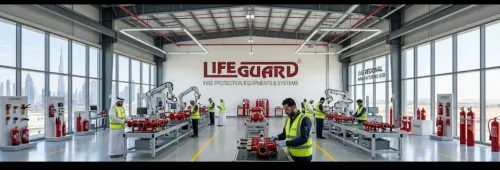
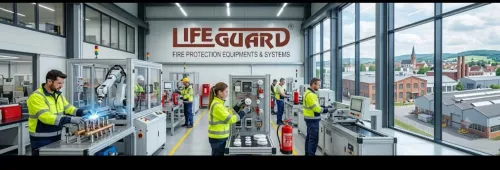
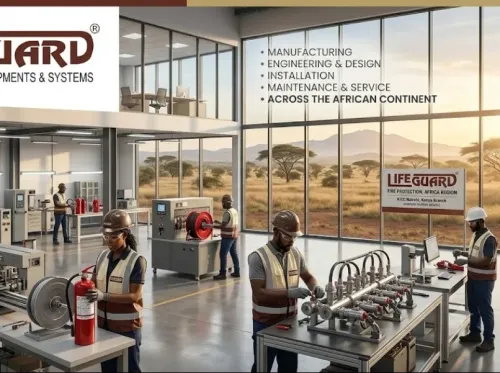
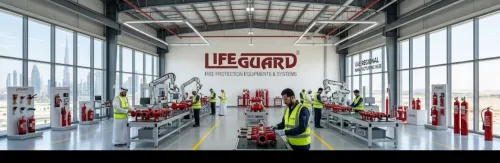
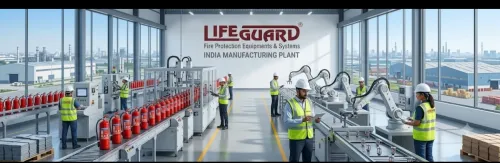
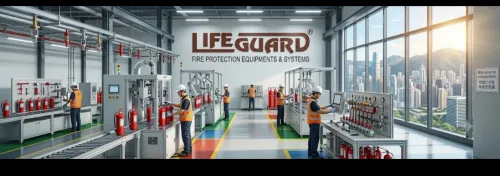
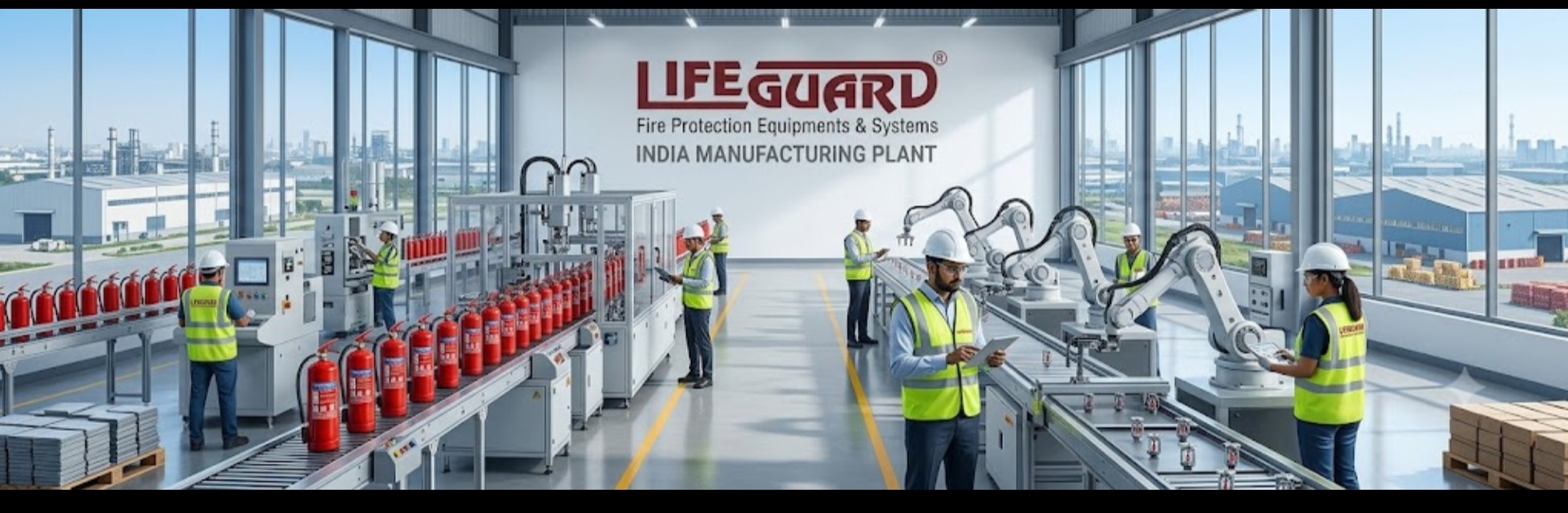
LIFEGUARD® by United Fire Equipments Pvt. Ltd. is associated with the manufacturing of fire safety equipment for industrial and commercial applications. With experience in fire safety equipment manufacturing since 1991, LIFEGUARD® supports businesses seeking suitable firefighting equipment for manufacturing plants, factories, production facilities, and industrial projects.
If you are searching for a manufacturing plant fire safety equipment manufacturer in India, it is important to select equipment according to the fire hazards present, the materials handled, the plant layout, applicable standards, and project specifications. The right combination of fire extinguishers and other fire protection equipment can support emergency preparedness and help organisations implement a structured industrial fire safety programme.
LIFEGUARD® fire safety equipment can be evaluated for manufacturing facilities across India, subject to the relevant product specifications, certification scope, availability, and project requirements.
Why Manufacturing Plants Need Reliable Fire Safety Equipment
Industrial environments often combine ignition sources, combustible materials, electrical systems, machinery, and continuous production operations. If a fire develops, it can spread to adjacent production areas, disrupt manufacturing, damage equipment, and put employees at risk.
Common fire hazards in manufacturing plants include:
- Electrical panels, switchgear, motors, transformers, and cable installations.
- Flammable liquids, oils, solvents, paints, and process chemicals.
- Paper, cardboard, plastic packaging, textiles, and combustible raw materials.
- Furnaces, ovens, boilers, welding, cutting, and hot-work operations.
- Industrial machinery, hydraulic systems, lubricants, and overheated components.
- Raw material stores, finished-goods warehouses, and dispatch areas.
- Battery charging stations, lithium-ion batteries, and energy storage installations.
- Combustible dust in selected manufacturing and processing operations.
An effective fire safety programme combines suitable equipment with risk assessment, fire prevention, detection and alarm arrangements, emergency planning, employee training, and periodic maintenance. Fire extinguishers are an important first-response measure, but they do not replace fixed fire protection systems where required by the hazard assessment or applicable regulations.
LIFEGUARD® Fire Safety Equipment for Manufacturing Plants
LIFEGUARD® provides fire safety equipment options that can be considered for a range of industrial applications. The final selection should be based on the type of fire risk, equipment ratings, operating environment, and applicable technical and regulatory requirements.
1. ABC Dry Chemical Powder Fire Extinguishers
ABC dry chemical powder fire extinguishers are widely used for suitable industrial fire risks involving ordinary combustible materials and certain flammable liquids or gases, subject to the specific product's approved fire rating and instructions.
Potential applications include:
- Manufacturing and assembly floors.
- General engineering workshops.
- Packaging and material handling areas.
- Selected warehouse and storage locations.
- Utility areas and maintenance workshops.
The appropriate extinguisher capacity and quantity should be determined by the fire risk assessment, area layout, travel distance, and applicable standards.
2. CO₂ Fire Extinguishers
Carbon dioxide (CO₂) fire extinguishers may be suitable for specific electrical and flammable-liquid fire risks. They are often evaluated for selected electrical installations and technical areas where the extinguisher's rating and application are appropriate.
Potential locations for assessment include electrical service areas, control equipment, and selected technical spaces.
CO₂ extinguishers present an asphyxiation hazard in confined or poorly ventilated spaces. Their use and placement must follow manufacturer instructions and the facility's risk assessment.
3. Water-Based Fire Extinguishers
Water-based extinguishers may be suitable for Class A fires involving ordinary combustible materials such as paper, wood, and certain fabrics. Their use must be restricted to applications for which the product is rated.
Water-based equipment should not be used on energised electrical equipment or incompatible materials unless the specific product is designed and approved for that use.
4. Mechanical Foam Fire Extinguishers
Mechanical foam extinguishers may be suitable for certain risks involving ordinary combustible materials and flammable liquids, depending on the extinguishing agent and product rating.
They may be considered for selected industrial storage, maintenance, or process areas after evaluating the substances present and any environmental restrictions applicable to the foam agent.
5. Trolley-Mounted Fire Extinguishers
Trolley-mounted extinguishers can provide greater extinguishing-agent capacity than many portable units and may be considered for larger industrial areas or specific higher-risk applications.
Depending on the hazard and available product specifications, trolley-mounted equipment may be evaluated for manufacturing plants, workshops, warehouses, utility zones, and other industrial locations.
A trolley-mounted extinguisher is not a substitute for a required fixed fire protection system. Its suitability depends on the fire scenario, mobility, accessibility, operator training, and product rating.
6. Specialised Fire Extinguishers for Specific Hazards
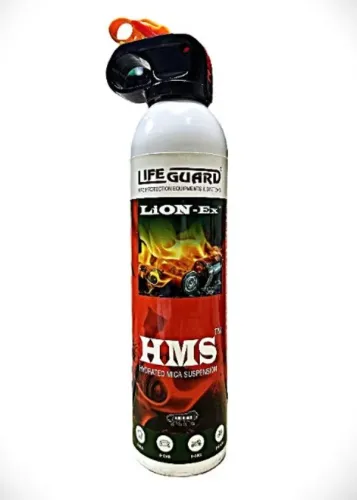
Some manufacturing operations involve hazards that require specialised extinguishing agents. Examples include combustible metals, commercial cooking oils, and lithium-ion battery applications.
Equipment should be selected only when it is specifically designed, tested, and rated for the intended hazard. Ordinary ABC powder or other conventional extinguishers should not automatically be considered suitable for every special fire scenario.
Fire Suppression Equipment for Manufacturing Facilities
In addition to portable fire extinguishers, some manufacturing plants require engineered fire detection and suppression systems to protect specific hazards or critical infrastructure.
Depending on the project, fire protection provisions may include:
- Fire detection and alarm systems.
- Automatic sprinkler systems.
- Fire hydrant and hose-reel systems.
- Water mist or other specialised suppression systems where appropriate.
- Engineered gas-based or clean-agent suppression for selected enclosed hazards.
- Localised suppression for suitable machinery or process equipment.
The selection of these systems requires consideration of the building, fire load, process materials, enclosure conditions, personnel safety, and relevant regulations. Their design, installation, testing, and commissioning should be carried out by competent professionals according to the project requirements.
LIFEGUARD® can be considered for relevant fire safety equipment and selected suppression-related applications, subject to the confirmed product scope, design responsibility, authorised supply arrangements, and project specifications.
Fire Safety Equipment for Different Manufacturing Industries
Automobile and Automotive Component Manufacturing
Automotive factories may contain assembly lines, electrical systems, lubricants, paint processes, plastic components, battery installations, and finished-vehicle storage. Equipment selection should reflect the hazards in each production zone and warehouse area.
Pharmaceutical Manufacturing Plants
Pharmaceutical production facilities may include processing equipment, laboratories, packaging lines, utilities, and sensitive electrical installations. Fire protection planning should consider employee safety, process requirements, equipment sensitivity, and applicable facility regulations.
Chemical and Petrochemical Manufacturing
Chemical plants may involve flammable liquids, combustible gases, reactive substances, and complex process hazards. A competent risk assessment is essential to establish compatible extinguishing agents, suitable suppression technology, hazardous-area controls, and emergency procedures.
Textile and Garment Factories
Textile facilities may contain fibres, fabrics, packaging, machinery, electrical installations, and dust-generating operations. Fire safety equipment should be selected with attention to combustible stock, housekeeping, ignition sources, and access for emergency response.
Food Processing and FMCG Manufacturing
Food processing and consumer-goods facilities may include production machinery, packaging materials, heating processes, cold storage, and electrical equipment. Different production zones may require different fire protection measures.
Electronics and Electrical Equipment Manufacturing
Electronics manufacturing may involve automation systems, testing equipment, control panels, sensitive components, and specialised production processes. Fire protection planning should account for electrical hazards, equipment sensitivity, and the suitability of the selected extinguishing technology.
Plastics, Rubber, Paper and Packaging Industries
These industries can involve substantial quantities of combustible materials. Protection planning should assess storage configuration, process temperatures, ignition sources, dust risks, and potential fire spread.
Engineering and General Manufacturing
Engineering workshops may involve welding, cutting, machining, grinding, hydraulic equipment, lubricants, and hot surfaces. Appropriate fire extinguishers, hot-work procedures, safe material storage, and regular inspections can support a safer working environment.
How to Select the Right Fire Safety Equipment Manufacturer in India
Choosing a fire safety equipment manufacturer requires a review of technical suitability, product documentation, certification, and the ability to meet project specifications.
Product Range and Application Suitability
Check whether the available equipment is suitable for the actual fire risks within the plant. Product selection should be based on the fire class, approved rating, capacity, installation environment, and manufacturer instructions.
Product Certification and Standards
Verify the certification status of each product and confirm that it falls within the applicable licence scope. For Indian projects, relevant BIS standards, applicable National Building Code provisions, local fire service requirements, and project specifications may need to be considered.
Technical Documentation
Industrial procurement teams may require technical data sheets, drawings, product specifications, test documentation, certification details, inspection records, and maintenance instructions. Confirm which documents are available for the exact model being considered.
Manufacturing and Quality Processes
Buyers should evaluate the manufacturer's documented quality systems, production controls, inspection processes, traceability, and ability to meet the required technical specifications.
After-Sales and Maintenance Planning
Fire safety equipment must remain accessible and serviceable throughout its operating life. Before purchasing, clarify the applicable inspection and servicing requirements and determine who will provide any required maintenance or technical support.
Project and Delivery Requirements
For industrial orders, confirm product availability, quantity, packaging, delivery schedules, required documentation, and any project-specific inspection requirements before finalising procurement.
Fire Safety Compliance for Manufacturing Plants in India
Manufacturing plant fire safety requirements vary according to the facility's occupancy, building characteristics, processes, stored materials, and applicable legislation.
Depending on the project, the following may need to be reviewed:
- Applicable Bureau of Indian Standards (BIS) requirements.
- Certification and licence details for the exact fire safety product.
- Relevant provisions of the National Building Code of India.
- State and local fire service requirements.
- Factory safety and occupational health obligations.
- Requirements for detection, alarms, emergency exits, hydrants, and fixed suppression systems.
- Special provisions for hazardous materials, electrical installations, and industrial processes.
An ISI marking or other certification should be verified for the specific product and applicable licence scope. It should not be assumed that every product carries the same approvals or that product certification alone establishes compliance for an entire manufacturing facility.
Fire Safety Equipment for New and Existing Manufacturing Plants
New Factory Projects
Fire safety requirements should be considered during the design stage of a new manufacturing facility. Coordination between the owner, architect, process consultant, electrical designer, and fire protection engineer can help integrate equipment locations and fixed protection systems into the plant layout.
Existing Plant Improvements
Existing manufacturing facilities may need to review extinguisher placement, equipment condition, storage practices, electrical safety, detection arrangements, and emergency access. A fire risk assessment can help identify areas requiring improvement.
Plant Expansion and Modernisation
New machinery, production lines, raw materials, or storage areas can change the facility's fire risk. Protection provisions should be reviewed when significant changes are made to the process or building.
Inspection, Maintenance and Employee Training
Fire extinguishers and other equipment require inspection, servicing, testing, and replacement in accordance with applicable standards, statutory requirements, and manufacturer instructions. Employees should be trained in alarm response, evacuation, emergency reporting, and the safe use of appropriate firefighting equipment.
Why Consider LIFEGUARD® for Manufacturing Plant Fire Safety Equipment?
Experience Since 1991
United Fire Equipments Pvt. Ltd., associated with the LIFEGUARD® brand, has been involved in fire safety equipment manufacturing since 1991. The company focuses on firefighting equipment for industrial and commercial applications.
Equipment for Industrial Applications
Different manufacturing environments require different firefighting provisions. LIFEGUARD® product options can be evaluated against the hazards, technical specifications, and operating conditions of the intended facility.
Focus on Product-Specific Requirements
The correct equipment selection depends on the fire risk, approved fire rating, capacity, installation conditions, and applicable standards. Product documentation and certification should be checked for the exact model before procurement.
Support for Industrial Procurement
Industrial buyers may need specifications, certification information, technical documents, and maintenance guidance. The availability and applicability of these documents should be confirmed for the required products and project.
Serving Manufacturing and Industrial Requirements Across India
LIFEGUARD® equipment can be considered for manufacturing plant and industrial project requirements across India, subject to product availability, project specifications, applicable approvals, and confirmed supply scope.
Frequently Asked Questions
1. Which company manufactures fire safety equipment for manufacturing plants in India?
LIFEGUARD®, associated with United Fire Equipments Pvt. Ltd., is a fire safety equipment brand for industrial and commercial applications. Buyers should confirm the required product specifications, certification scope, availability, and project requirements before placing an order.
2. Which fire extinguishers are suitable for manufacturing plants?
Suitable extinguisher types depend on the materials and fire hazards present. ABC dry powder, CO₂, water-based, mechanical foam, and specialised extinguishers may be suitable for different applications, subject to their approved fire ratings and limitations.
3. Does every manufacturing plant require a fire suppression system?
No single system is required for every facility. The need for fixed or automatic suppression depends on the fire risk assessment, process hazards, building design, occupancy, and applicable regulations.
4. Are all LIFEGUARD® fire safety products ISI certified?
Certification should be checked for the specific product and applicable BIS licence scope. Buyers should verify the current certification and marking details for the model they intend to purchase.
5. How can I select fire safety equipment for my factory?
Start by identifying the fire hazards, production processes, materials, electrical installations, storage arrangements, and facility layout. Then determine the required equipment type, fire rating, capacity, quantity, and placement in accordance with applicable standards and a competent risk assessment.
6. Can LIFEGUARD® equipment be considered for large industrial projects?
LIFEGUARD® equipment may be evaluated for industrial projects according to the required product range, technical specifications, certification requirements, availability, and project scope. Contact the company with the project details to discuss the requirements.
7. How often should fire safety equipment be serviced?
Inspection and servicing schedules should follow the applicable standards, statutory requirements, and manufacturer instructions. Facilities should maintain records and ensure that equipment remains accessible, suitable, and ready for use.
8. What details should I provide for a quotation?
Share the plant location, industry type, required equipment, quantity, technical specifications, applicable certification requirements, delivery timeline, and any project-specific inspection or documentation needs.
Contact LIFEGUARD® for Manufacturing Plant Fire Safety Equipment in India
If you are searching for a manufacturing plant fire safety equipment manufacturer in India, contact LIFEGUARD® by United Fire Equipments Pvt. Ltd. to discuss firefighting equipment requirements for your factory, production unit, industrial warehouse, or manufacturing project.
United Fire Equipments Pvt. Ltd.
Manufacturer of ISI Certified Fire Safety Equipment
Phone: 8048034226
Email: ufe126@gmail.com | info@lifeguardindia.in
Website: www.lifeguardindia.in
Contact LIFEGUARD® with your plant application, required equipment, technical specifications, and project timeline to discuss suitable product options. Product availability, certification details, and project-specific compliance should be confirmed before procurement.
SEO Metadata
SEO Title: Manufacturing Plant Fire Safety Equipment Manufacturer India | LIFEGUARD®
Meta Description: Looking for manufacturing plant fire safety equipment in India? Explore LIFEGUARD® industrial fire extinguishers and fire safety equipment for factories.
Suggested URL Slug:
/manufacturing-plant-fire-safety-equipment-manufacturer-india/
Primary SEO Keyword:
- Manufacturing plant fire safety equipment manufacturer India
Secondary SEO Keywords:
- Fire safety equipment manufacturer India
- Manufacturing plant fire safety equipment
- Industrial fire safety equipment manufacturer
- Factory fire safety equipment supplier
- Industrial fire extinguisher manufacturer India
- Firefighting equipment for manufacturing plants
- Factory fire protection equipment
- Industrial fire suppression equipment
- Fire safety equipment for factories
- Manufacturing plant firefighting solutions India
Suggested Image Alt Text:
- LIFEGUARD manufacturing plant fire safety equipment manufacturer India
- Industrial fire extinguishers for manufacturing plants
- Fire safety equipment for factory production areas
- Industrial firefighting equipment for warehouses and factories
- LIFEGUARD fire safety equipment for industrial applications
On-Page SEO Recommendations
- Use the primary keyword naturally in the H1, opening paragraph, selected subheadings, and final enquiry section.
- Add internal links to LIFEGUARD® pages for industrial fire extinguishers, fire suppression systems, factory fire protection, warehouse fire safety, and contact information.
- Use authentic product images and manufacturing photographs with descriptive filenames and accurate alt text.
- Add a clear enquiry form that asks for plant location, industry type, equipment requirement, quantity, and applicable certification needs.
- Publish only verified product specifications, fire ratings, certification details, and approval claims.
- Avoid repetitive keyword stuffing; prioritise useful information for industrial procurement teams and safety professionals.
- Keep certification, inspection, installation, and maintenance claims specific to the product and project rather than implying that one product automatically makes an entire facility compliant.
Add a clearer product-to-hazard tableStrengthen the manufacturing buyer call to action
Keywords