Manufacturing Plant Fire Suppression Exporter in Africa | LIFEGUARD®
Advanced Industrial Fire Suppression Solutions for Manufacturing Plants Across Africa
Africa's manufacturing sector is experiencing growing demand for reliable fire protection systems across industrial facilities, processing plants, warehouses, engineering workshops, and large-scale production units. From South Africa, Nigeria, Kenya, and Egypt to Ghana, Morocco, Tanzania, Uganda, and other emerging industrial markets, manufacturing businesses require effective fire safety solutions to protect employees, production machinery, electrical infrastructure, raw materials, and finished goods.
LIFEGUARD®, a brand of United Fire Equipments Pvt. Ltd. (UFEPL), is an Indian manufacturer of ISI-certified fire safety equipment, with manufacturing experience dating back to 1991. The company offers firefighting equipment and access to selected engineered fire suppression solutions for industrial, commercial, infrastructure, and institutional applications.
As a manufacturing plant fire suppression exporter serving African markets, LIFEGUARD® aims to support importers, industrial buyers, fire protection contractors, engineering procurement and construction (EPC) companies, distributors, and project consultants seeking suitable fire safety products for manufacturing facilities. Product availability, export arrangements, certifications, and project support are confirmed according to the destination country, technical specifications, and applicable regulatory requirements.
Whether the requirement involves fire extinguishers for factory floors, clean agent suppression for electrical control rooms, or specialized protection for selected industrial machinery, the appropriate solution begins with understanding the fire hazards and operational needs of the facility.
Industrial Fire Suppression Exporter for African Manufacturing Facilities
Manufacturing plants contain a variety of potential ignition sources and combustible materials. Electrical faults, overheated machinery, welding operations, flammable liquids, lubricants, combustible dust, and high-temperature production processes can create significant fire risks.
In industrial environments, a small fire can quickly interrupt production, damage expensive equipment, compromise stored materials, and threaten personnel. A well-planned fire protection strategy helps businesses identify these risks and select suitable firefighting equipment and suppression technologies.
LIFEGUARD® supports fire safety requirements through its range of firefighting equipment and relevant suppression-system offerings. Depending on the application, a manufacturing plant fire protection strategy may incorporate portable extinguishers, wheeled extinguishers, automatic fire detection, alarm systems, fixed suppression installations, and integration with other plant safety systems.
For African importers and industrial procurement teams, selecting a fire suppression exporter involves more than comparing prices. Product suitability, certification scope, technical documentation, packaging, export logistics, spare parts, maintenance requirements, and destination-country compliance all need to be evaluated.
Why African Manufacturing Plants Need Effective Fire Suppression
Industrial facilities throughout Africa operate across diverse climates, industries, building configurations, and production environments. Fire protection requirements differ according to the materials handled, process temperatures, electrical installations, storage arrangements, occupancy, and local regulations.
A properly engineered fire suppression solution can help:
- Protect production equipment: Address identified fire risks involving machinery, electrical installations, control panels, and selected process equipment.
- Improve emergency response: Provide suitable extinguishing equipment and automatic suppression where required.
- Reduce fire-related disruption: Help limit potential damage to production assets and interruptions to manufacturing operations.
- Protect industrial inventory: Support fire safety planning for raw materials, finished products, packaging, and warehouse storage.
- Support worker safety: Coordinate fire protection measures with alarms, evacuation procedures, training, and emergency response plans.
- Meet project requirements: Select products and systems in accordance with applicable standards, specifications, and local approval requirements.
Fire suppression systems must be appropriately designed, installed, commissioned, inspected, and maintained to deliver their intended performance.
Types of Manufacturing Plant Fire Suppression Systems for African Markets
Different manufacturing processes require different fire suppression technologies. LIFEGUARD® can assist with product selection and relevant system enquiries based on the protected hazard, project specifications, and applicable approvals.
1. Clean Agent Fire Suppression Systems
Clean agent systems are commonly considered for enclosed areas containing sensitive electrical, electronic, and control equipment. Depending on the selected agent and system design, they can suppress fire without leaving the powder residue associated with dry chemical extinguishers.
Potential applications include:
- Industrial control rooms
- Electrical switchgear rooms
- PLC and automation panels
- Instrumentation and monitoring rooms
- Server rooms and industrial data centres
- Telecommunications and process control facilities
A typical fixed installation may include agent cylinders, detection devices, a release control panel, piping, discharge nozzles, alarms, and monitoring interfaces.
The design must consider enclosure integrity, agent concentration, ventilation, pressure-relief requirements, personnel safety, and the relevant system standard.
2. FK-5-1-12 Gas Fire Suppression Systems
FK-5-1-12 systems may be appropriate for selected enclosed hazards requiring a clean extinguishing agent. Potential applications include electronic equipment rooms, control infrastructure, and other compatible industrial installations.
LIFEGUARD® provides access to selected gas-based suppression solutions through its authorized channel partnership for Kidde gas suppression systems, subject to product availability and project requirements.
For African industrial projects, procurement teams should confirm the agent specification, system design, cylinder configuration, applicable approvals, environmental requirements, and local service arrangements before finalizing an order.
3. Dry Chemical Powder Fire Suppression Equipment
Dry chemical powder firefighting equipment is widely used for compatible fire risks involving flammable liquids, gases, and other combustible materials, depending on the extinguishing agent and equipment rating.
Applications may include manufacturing workshops, selected process areas, fuel-handling locations, maintenance facilities, and industrial service areas.
LIFEGUARD® manufactures dry chemical powder fire extinguishers for applicable fire classes and requirements. Depending on the project, portable or wheeled equipment may be considered alongside fixed suppression systems.
Powder discharge can leave residue and affect sensitive machinery or electronic equipment. Its suitability should therefore be assessed against the actual fire risk and operational environment.
4. Carbon Dioxide (CO₂) Fire Suppression Systems
Carbon dioxide suppression systems may be considered for certain industrial applications involving flammable liquids or energized electrical equipment, subject to engineering assessment and the applicable standards.
Potential applications include selected equipment enclosures and compatible industrial installations.
Because CO₂ can create a life-threatening oxygen-deficient atmosphere, total-flooding applications require appropriate evacuation procedures, alarms, interlocks, controlled access, and other personnel safeguards. Such systems must be carefully assessed before use in occupied spaces.
5. Water Mist Fire Suppression Systems
Water mist technology uses finely divided water droplets to control fires through cooling and other suppression mechanisms. Its suitability depends on the fire scenario, system configuration, nozzle characteristics, water supply, and validated application performance.
Potential applications may include selected machinery, industrial equipment, and production environments for which the proposed system has been specifically designed and validated.
Water mist is not suitable for every chemical, combustible-metal, flammable-liquid, or electrical hazard. Technical evaluation is necessary to establish compatibility with the materials and equipment being protected.
6. Foam-Based Fire Suppression Systems
Foam systems may be suitable for certain flammable-liquid fire risks, including selected fuel-handling, storage, and industrial process applications.
The foam concentrate, discharge method, application rate, and system configuration must be appropriate for the specific liquid and storage arrangement. Environmental restrictions and local requirements concerning foam chemistry should also be considered.
For African manufacturing and processing facilities, the fire protection strategy should account for the type of liquid, containment, drainage, environmental impact, and applicable approval requirements.
7. Automatic Fire Suppression for Industrial Machinery
Industrial machinery can contain multiple ignition sources, including electrical components, overheated surfaces, hydraulic fluids, lubricants, and moving parts. Enclosed equipment can make fire detection and manual firefighting more difficult.
Depending on the application, automatic detection and targeted suppression may be considered for:
- CNC machines and machine tools
- Electrical control cabinets
- Automated production machinery
- Selected hydraulic power units
- Industrial process skids
- Specialized manufacturing equipment
The extinguishing agent, detection arrangement, and discharge system must be selected according to the particular equipment and fire hazard.
Manufacturing Industries Served Across Africa
Africa's industrial landscape includes a broad range of manufacturing sectors, each with its own fire protection requirements.
Oil and Gas and Petrochemical Industries
Oil and gas-related facilities may contain hydrocarbons, flammable vapours, pressurized equipment, electrical installations, and hot-work operations. Fire protection planning must consider process hazards, gas detection, emergency shutdown arrangements, and the appropriate firefighting technologies.
Depending on the installation, protection may include suitable portable extinguishers, specialized fixed systems, detection, alarms, and coordinated emergency response measures.
Mining and Mineral Processing
Mining-related manufacturing and processing facilities may involve conveyors, electrical rooms, workshops, heavy machinery, hydraulic systems, and combustible materials. Fire protection equipment must be suitable for the environmental conditions, accessibility, machinery configuration, and identified hazards.
Automotive and Engineering Manufacturing
Automotive and engineering plants may include welding stations, cutting equipment, paint operations, lubricants, hydraulic machinery, and electrical control systems.
A coordinated fire safety strategy may incorporate suitable portable extinguishers, machinery protection, electrical-room suppression, and dedicated protection for compatible flammable-liquid hazards.
Food Processing and Agricultural Industries
Food processing, grain handling, packaging, and agricultural manufacturing operations may face risks associated with electrical equipment, combustible packaging, cooking processes, dust, and stored materials.
The fire protection plan must reflect the actual process, combustible loading, equipment configuration, hygiene requirements, and applicable fire safety standards.
Pharmaceutical and Chemical Manufacturing
Pharmaceutical and chemical plants may require careful assessment of chemical compatibility, process temperatures, combustible liquids, vapours, and sensitive production equipment.
Suppression technology must be selected according to the materials present. Certain chemicals react dangerously with water, making specialist hazard assessment essential.
Plastics, Textiles, Paper, and Packaging
Facilities processing plastics, textiles, paper, rubber, and packaging materials can contain substantial combustible loads. Fire safety planning may involve appropriate extinguishers, automatic detection, sprinkler protection, and other systems based on the storage arrangement and building design.
Electronics and Electrical Equipment Manufacturing
Electronics and electrical equipment plants depend on control panels, automation equipment, precision machinery, and sensitive electronic infrastructure.
Clean agent suppression may be appropriate for selected enclosed hazards, while production areas and storage locations may require different fire protection technologies.
LIFEGUARD® — Indian Fire Safety Equipment Manufacturer and Export Partner for Africa
LIFEGUARD® is the firefighting equipment brand of United Fire Equipments Pvt. Ltd., India. With a manufacturing history dating back to 1991, the company serves fire safety requirements across industrial, commercial, institutional, and infrastructure applications.
For African buyers, the company provides a point of contact for evaluating firefighting equipment, project specifications, and relevant fire suppression solutions for potential export requirements.
Why Consider LIFEGUARD® for African Industrial Projects?
Established manufacturing experience: LIFEGUARD® has manufactured ISI-marked firefighting equipment since 1991, subject to the certification and licence scope of each product.
Range of firefighting equipment: Product options include fire extinguishers and specialized firefighting equipment for suitable applications.
Project-oriented product selection: Equipment recommendations can be evaluated according to the identified fire hazard, protected assets, and technical specifications.
Documentation-led procurement: Relevant product certificates, test reports, datasheets, and approval documents can be reviewed for the exact product and intended destination, subject to availability.
International project enquiries: UFEPL welcomes enquiries from African importers, distributors, fire safety contractors, EPC companies, and industrial procurement teams.
Application-specific suppression solutions: Relevant gas-based suppression solutions can be explored through authorized channel arrangements where the proposed system meets the project requirements.
Product certification, third-party approvals, export availability, and destination-country conformity must be confirmed for each proposed item. Certification of a portable extinguisher does not automatically establish approval of an entire fixed fire suppression system.
Fire Suppression Export Requirements for African Countries
Exporting fire protection equipment requires attention to both technical compliance and destination-specific import requirements.
Before placing an order, importers and project buyers should establish the following:
Product Specifications and Certifications
Confirm the extinguisher type, capacity, fire rating, operating pressure, extinguishing agent, relevant standard, and required certificates. Ensure that all documentation applies to the exact product and configuration.
Country-Specific Compliance
Requirements can differ between countries and project types. Buyers should verify the applicable national standards, customs documentation, conformity assessment, local fire authority approvals, and any additional requirements imposed by the project owner.
Packaging and Export Documentation
The export process may require a commercial invoice, packing list, certificate of origin, transport documentation, product datasheets, and other documents depending on the shipment and destination.
Shipping and Logistics
Shipment planning should consider the product's dimensions, weight, packaging, transit time, port arrangements, and applicable transport rules. Pressurized cylinders and certain extinguishing agents may be subject to special shipping and handling requirements.
After-Sales and Maintenance Planning
Importers should establish how inspections, refilling, spare parts, servicing, and technical support will be provided in the destination market. Local maintenance capability is particularly important for installed fire suppression systems.
Project Coordination
For large industrial projects, procurement teams should coordinate the product selection and technical submittals with the fire protection consultant, EPC contractor, installer, and approving authority.
Manufacturing Plant Fire Suppression Exporter for Key African Markets
LIFEGUARD® welcomes enquiries for suitable fire safety products and suppression solutions from businesses and project teams in the following markets, subject to export availability and applicable compliance requirements.
South Africa
Industrial manufacturing, automotive production, mining-related industries, and processing facilities require fire protection solutions tailored to their specific hazards and applicable national standards.
Nigeria
Manufacturing, oil and gas-related industries, food processing, engineering, and industrial warehousing can require a combination of portable firefighting equipment and appropriately engineered fixed suppression systems.
Kenya
Manufacturing plants, food processing facilities, logistics operations, and industrial estates may require suitable fire extinguishers, electrical-room protection, and broader fire safety equipment.
Egypt
Industrial production, chemical manufacturing, engineering, textile operations, and other industrial sectors require fire protection products that meet project specifications and relevant Egyptian requirements.
Ghana
Manufacturing, agricultural processing, mining-related industries, and warehousing operations can benefit from hazard-specific fire safety planning and appropriate firefighting equipment.
Morocco
Automotive, electrical equipment, textiles, food processing, and other manufacturing sectors may require portable extinguishers, machinery protection, and specialized suppression solutions.
Tanzania, Uganda, and Other African Markets
Industrial development, processing, storage, and manufacturing operations create demand for appropriate fire safety equipment. Product selection and export arrangements must be confirmed against the requirements of each destination country.
The countries listed are target markets for enquiries, not a representation that LIFEGUARD® has a local office, distributor, installation team, or established export operation in every location.
How to Select the Right Fire Suppression System for Your Manufacturing Plant
Choosing the right solution begins with a structured review of the facility and its hazards.
Step 1: Identify the fire hazards. Assess combustible materials, electrical equipment, flammable liquids, machinery, process temperatures, and storage conditions.
Step 2: Define the protection objective. Determine whether the requirement is for portable firefighting equipment, local-application suppression, total-flooding protection, or a combination of systems.
Step 3: Select the appropriate technology. Evaluate clean agents, dry chemical powder, CO₂, water mist, foam, or other suitable systems according to the hazard and relevant standards.
Step 4: Review technical documentation. Confirm the product specifications, design calculations, certificates, test reports, and applicable approvals.
Step 5: Plan installation and commissioning. Ensure that qualified personnel carry out the installation and that the completed system is tested according to the approved design.
Step 6: Establish maintenance arrangements. Confirm inspection intervals, spare parts, servicing, refilling, and emergency support requirements.
A professional fire risk assessment and engineering review are essential for selecting and designing fixed suppression systems.
Frequently Asked Questions (FAQs)
1. Who is a manufacturing plant fire suppression exporter for Africa?
LIFEGUARD®, a brand of United Fire Equipments Pvt. Ltd., is an Indian manufacturer of firefighting equipment that welcomes export enquiries for African markets. Product availability, shipping arrangements, certificates, and project-specific system capabilities should be confirmed directly.
2. Which fire suppression system is best for manufacturing plants in Africa?
The best system depends on the fire hazard. Clean agent systems may suit selected enclosed electronic rooms, foam may be appropriate for certain flammable-liquid hazards, and water mist or dry chemical equipment may suit other validated applications. A hazard assessment is necessary before selecting the system.
3. Does LIFEGUARD® export fire extinguishers to African countries?
LIFEGUARD® welcomes enquiries from African importers, distributors, contractors, and industrial buyers. Export availability, quantities, delivery terms, documentation, and destination-country conformity should be confirmed for the proposed order.
4. Can LIFEGUARD® provide fire suppression solutions for industrial electrical rooms?
Suitable clean agent or other engineered systems may be considered for enclosed electrical and electronic hazards. The proposed solution depends on room conditions, equipment sensitivity, occupancy, fire load, system design, and required approvals.
5. What documents are required to import fire extinguishers into Africa?
Requirements vary by country and shipment. Buyers may need product specifications, applicable certificates, a commercial invoice, packing list, certificate of origin, transport documents, and any required conformity or import approvals. The importer should confirm the current requirements with the relevant authorities and customs representative.
6. Can LIFEGUARD® support large industrial fire protection projects?
Project enquiries can be reviewed against the required equipment, technical specifications, quantities, certification requirements, and proposed suppression technology. The available scope of supply and any installation or commissioning arrangements must be confirmed for each project.
7. How can I request a quotation for fire suppression equipment for Africa?
Share the destination country, manufacturing industry, required equipment or suppression system, quantities, relevant technical specifications, required certificates, and target delivery schedule. For fixed systems, provide available drawings, protected-area details, and the fire hazard information.
Contact LIFEGUARD® for Manufacturing Plant Fire Suppression Export Enquiries
Are you searching for a manufacturing plant fire suppression exporter in Africa, an industrial fire suppression equipment manufacturer, or a fire extinguisher supplier for factory applications?
Contact LIFEGUARD® to discuss your requirements for industrial fire safety equipment and applicable suppression solutions. Our team welcomes enquiries from importers, distributors, fire protection contractors, EPC companies, consultants, and manufacturing businesses across African markets.
LIFEGUARD® — United Fire Equipments Pvt. Ltd.
Manufacturer of ISI-Certified Fire Safety Equipment
Phone: +91 8048034226
Email: ufe126@gmail.com | info@lifeguardindia.in
Website: www.lifeguardindia.in
LIFEGUARD® — Industrial Fire Safety Solutions for Manufacturing Facilities. Contact us to discuss your fire protection and export requirements for Africa.
SEO Metadata for the LIFEGUARD® Website
SEO Title: Manufacturing Plant Fire Suppression Exporter Africa | LIFEGUARD®
Meta Description: Looking for a manufacturing plant fire suppression exporter in Africa? Explore LIFEGUARD® fire extinguishers, industrial firefighting equipment, and suitable fire suppression solutions for manufacturing facilities.
Suggested URL Slug: /manufacturing-plant-fire-suppression-exporter-africa/
Primary SEO Keyword: Manufacturing plant fire suppression exporter Africa
Secondary SEO Keywords:
- Manufacturing plant fire suppression exporter in Africa
- Industrial fire suppression equipment exporter Africa
- Factory fire suppression system exporter
- Industrial fire protection equipment manufacturer India
- Fire extinguisher exporter to Africa
- Manufacturing plant fire safety equipment supplier
- Industrial fire suppression systems for factories
- Clean agent fire suppression systems Africa
- Industrial fire extinguisher manufacturer and exporter
- Factory fire protection system exporter Africa
- Fire safety equipment supplier for African industries
- Industrial firefighting equipment export from India
- Fire suppression solutions for manufacturing plants
- Fire suppression equipment supplier South Africa
- Industrial fire protection equipment Nigeria
- Fire safety equipment exporter Kenya
- Fire extinguisher supplier Ghana
- Manufacturing plant fire protection solutions Egypt
Suggested H1: Manufacturing Plant Fire Suppression Exporter in Africa
Suggested H2 Headings:
- Industrial Fire Suppression Exporter for African Manufacturing Facilities
- Types of Manufacturing Plant Fire Suppression Systems
- Fire Protection Solutions for African Manufacturing Industries
- LIFEGUARD® — Indian Fire Safety Equipment Manufacturer and Export Partner
- Fire Suppression Export Requirements for African Countries
- Manufacturing Plant Fire Suppression Exporter for Key African Markets
- Contact LIFEGUARD® for Industrial Fire Suppression Export Enquiries
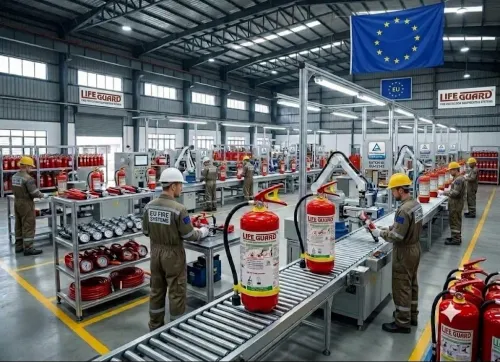
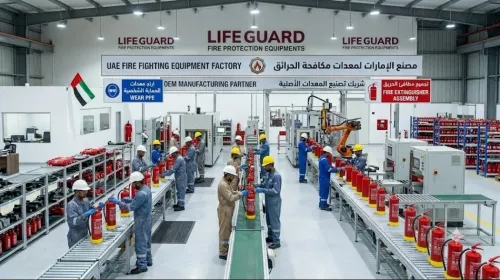
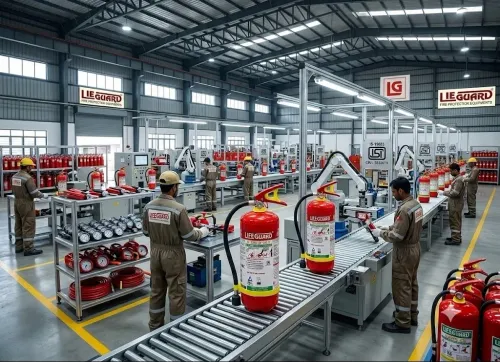
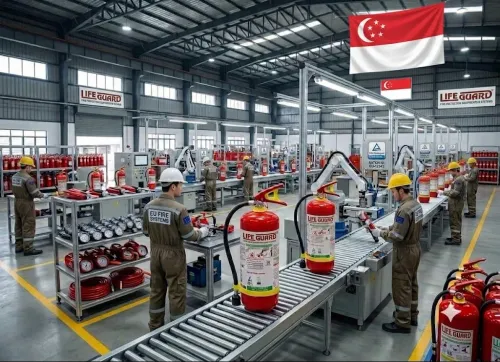
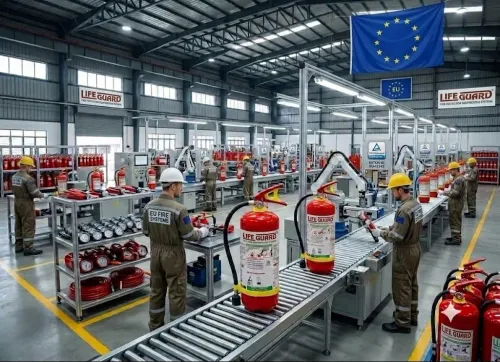
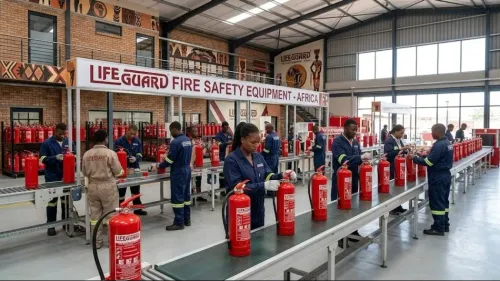
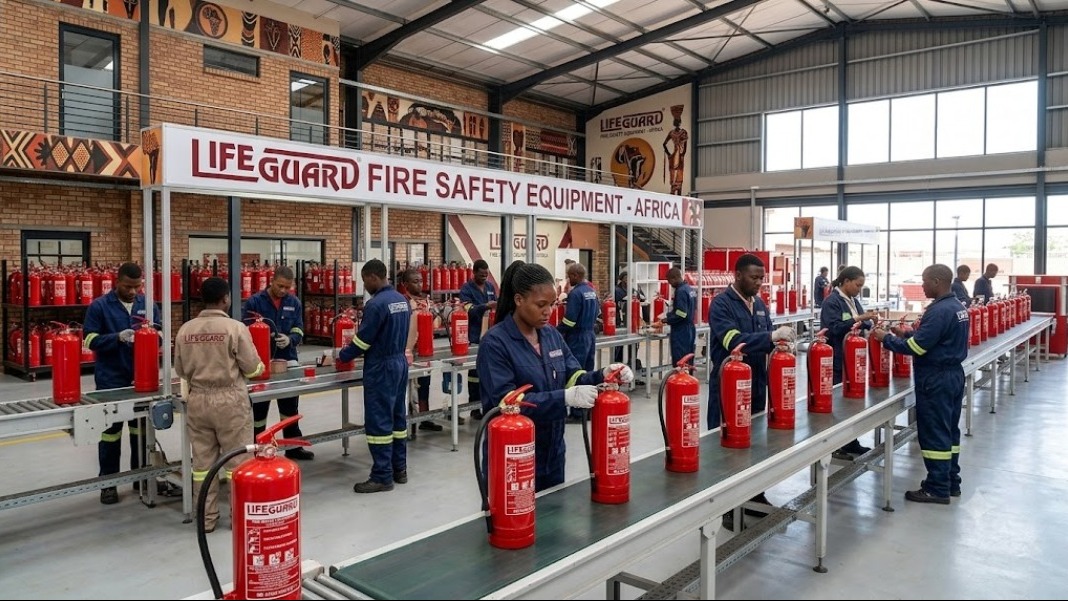
Suggested Image Alt Text: LIFEGUARD® industrial fire suppression equipment for manufacturing plants in African markets
SEO Publishing Recommendations
- Use this content as the main landing page for the Africa export keyword cluster.
- Create separate, locally tailored pages for South Africa, Nigeria, Kenya, Egypt, and Ghana if the business intends to target those markets individually.
- Link this page to relevant fire extinguisher, clean agent suppression, industrial fire protection, and manufacturing plant fire safety pages on the LIFEGUARD® website.
- Include real product photographs, applicable certificates, technical datasheets, and verified export details to improve buyer confidence.
- Use the target keyword naturally and avoid repetitive keyword insertion.
- Publish only verified statements about export destinations, certifications, local representatives, and installation services. Do not imply an established presence in every African country without confirmation.
Keywords