
Lithium-ion batteries are now a critical part of industrial operations, electric vehicles, data centers, logistics fleets, and energy storage infrastructure. As adoption grows across Delhi and other industrial regions in India, businesses are also facing a new category of fire risk that traditional extinguishing methods are not always equipped to handle.
Thermal runaway in lithium-ion batteries can spread rapidly, generate intense heat, and reignite even after an initial fire appears controlled. This is why modern facilities are investing in dedicated lithium-ion battery fire suppression systems designed specifically for battery-related incidents.
Battery fires behave differently from standard electrical or combustible fires. Once a lithium-ion cell enters thermal runaway, nearby cells can quickly become unstable. In manufacturing units, EV charging stations, and Battery Energy Storage System (BESS) installations, this can lead to extensive operational damage if the correct suppression approach is not already in place.
Businesses in Delhi that handle electric vehicles, industrial automation equipment, warehouse robotics, or energy storage systems increasingly require layered fire safety planning that includes:
- Early heat and gas detection
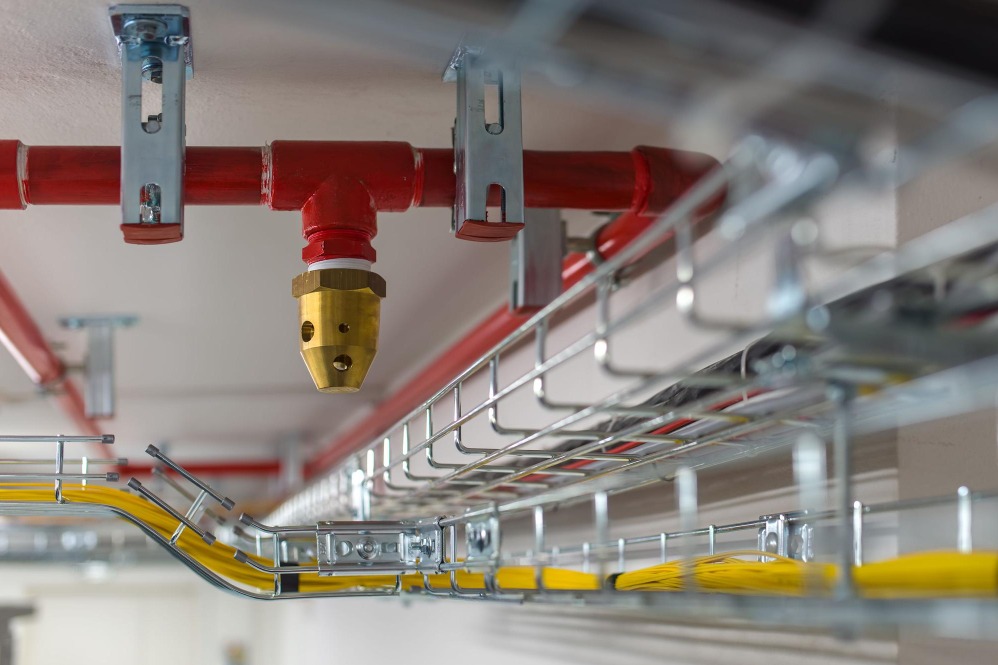
- Automatic fire suppression systems
- Non-conductive extinguishing agents
- Battery isolation strategies
- Ventilation and smoke management
- Continuous monitoring systems
One common misconception is that standard water or CO2 extinguishers are always enough for EV battery incidents. While these extinguishers may assist in controlling surrounding fires, lithium-ion battery suppression often requires specialized cooling and containment solutions.
Facilities that commonly require advanced battery fire protection include:
- EV manufacturing plants
- Electric bus depots
- Fleet charging hubs
- Renewable energy projects
- Data centers
- Telecom infrastructure
- Industrial automation facilities
- Warehouses using battery-powered equipment
Modern fire suppression systems are designed to respond automatically once abnormal heat signatures or combustion gases are detected. In many cases, the speed of response determines whether the incident remains isolated or escalates into a larger emergency.
In Delhi’s industrial and commercial sectors, regulatory expectations around fire compliance are also evolving. Developers and facility managers are under growing pressure to implement specialized fire safety equipment that aligns with modern energy technologies.
A complete battery fire safety strategy generally includes both portable and fixed protection systems. Portable extinguishers provide immediate response capability for trained personnel, while integrated suppression systems offer automatic activation during emergencies.
Clean agent fire suppression systems are also becoming more relevant for battery rooms and electrical installations where water-based suppression may damage sensitive equipment. These systems help minimize downtime while protecting high-value infrastructure.
Another important factor is system scalability. A small EV charging setup may require localized suppression units, whereas large Battery Energy Storage System projects often demand integrated detection, suppression, ventilation, and emergency shutdown systems.
Organizations that delay battery fire protection planning often face challenges such as:
- Insurance complications
- Compliance delays
- Operational downtime
- Increased safety risks
- Higher infrastructure losses
- Greater liability exposure
Industrial safety teams are now focusing not only on extinguishing fires but also on preventing escalation through early-stage detection and suppression.
United Fire Equipments Pvt. Ltd. works with industrial facilities, infrastructure developers, and EV-related projects to support fire safety planning for modern battery risks. The company provides solutions ranging from portable extinguishers to advanced suppression systems designed for high-risk industrial environments.
As lithium-ion batteries become central to transportation and energy infrastructure across Delhi, fire protection strategies must evolve alongside them. Businesses that proactively upgrade their fire suppression systems are better positioned to maintain operational continuity, improve safety compliance, and reduce long-term risk.