University Automatic Suppression Exporter Africa
Advanced Automatic Fire Suppression Solutions for Universities, Colleges & Educational Campuses
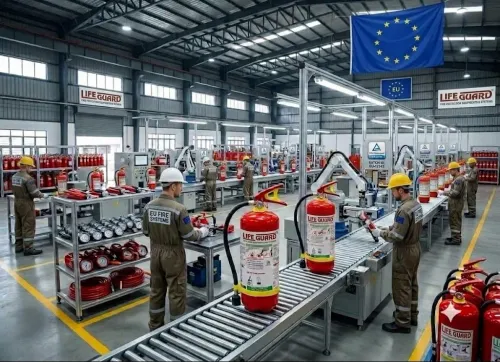
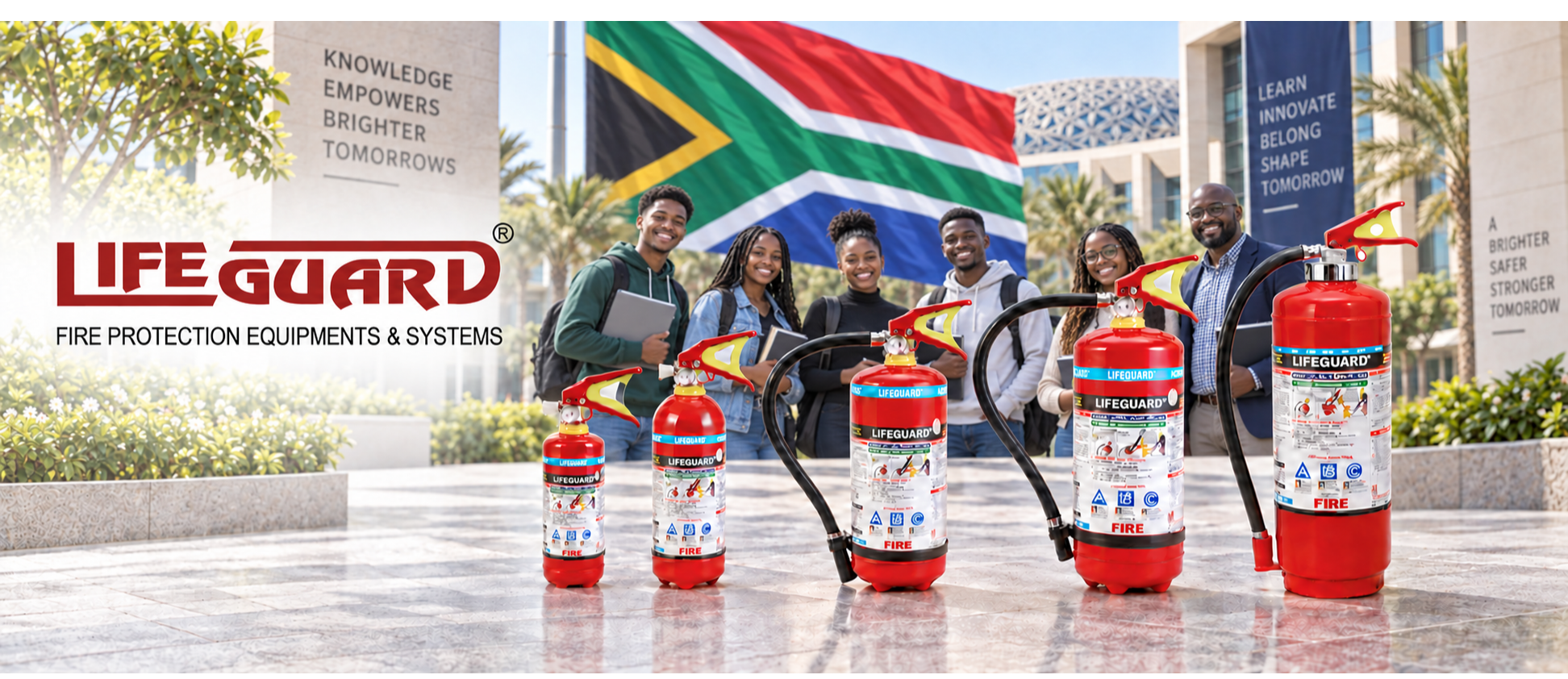
LIFEGUARD® is an Indian manufacturer and international exporter of fire safety equipment and automatic fire suppression solutions for universities, colleges, technical institutes, research centres, laboratories, student accommodation, libraries, administrative buildings, data centres and other educational infrastructure.
Through United Fire Equipments Pvt. Ltd., LIFEGUARD® supports project requirements for customers, EPC contractors, fire protection companies, consultants, importers and distributors seeking reliable automatic fire suppression systems for universities in Africa.
Modern university campuses contain a wide variety of fire hazards. A single campus can include classrooms, laboratories, workshops, commercial kitchens, electrical rooms, server rooms, libraries, hostels, auditoriums, laboratories and utility areas. Each of these environments may require a different fire protection strategy.
LIFEGUARD® provides application-specific automatic suppression solutions designed around the nature of the hazard, protected equipment, room configuration and project requirements.
Automatic Fire Suppression Systems for African Universities
Universities are complex facilities with large numbers of occupants, valuable equipment and multiple buildings operating simultaneously.
A comprehensive university fire protection strategy may combine:
- Automatic fire detection
- Fire alarm systems
- Portable fire extinguishers
- Fire hydrant systems
- Automatic sprinkler systems
- Clean agent suppression systems
- CO₂ fire suppression systems
- Water mist systems
- Kitchen fire suppression systems
- Electrical panel suppression systems
- Specialized industrial suppression systems
- Emergency notification systems
Automatic suppression is particularly useful in areas where rapid intervention is important or where a fire could damage critical equipment before manual firefighting begins.
The appropriate suppression technology should always be selected according to the specific hazard rather than applying one system across an entire university campus.
Why Universities in Africa Need Automatic Fire Suppression
Educational institutions can contain numerous ignition sources and combustible materials.
Potential hazards include:
Electrical Rooms
Electrical distribution rooms, switchgear rooms and electrical equipment can experience overheating, short circuits or electrical faults.
Server & IT Rooms
Universities increasingly depend on servers, networking equipment, data storage and communication infrastructure. These areas require fire protection that considers the sensitivity of electronic equipment.
Laboratories
Science, chemical, engineering and research laboratories may contain chemicals, gases, electrical equipment and specialized machinery.
Commercial Kitchens
University cafeterias, hostels and food-service facilities may use cooking oils, gas appliances, deep fryers and high-temperature equipment.
Workshops
Engineering and technical institutes can contain machinery, fuels, lubricants, electrical equipment and other industrial hazards.
Libraries & Archives
Books, paper, documents and archival materials can create significant combustible loading.
Student Hostels
Residential accommodation presents additional life-safety considerations because occupants may be sleeping or unfamiliar with emergency procedures.
Utility & Plant Rooms
Generator rooms, pump rooms, mechanical rooms and other service areas may require specialized fire protection depending on the equipment and fuel sources.
LIFEGUARD® Automatic Suppression Solutions
LIFEGUARD® can support different automatic fire suppression technologies depending on the project hazard and technical specification.
1. Clean Agent Fire Suppression Systems
Clean agent systems are commonly considered for areas containing sensitive electronic and electrical equipment where minimizing residue after discharge is important.
Potential university applications include:
- Server rooms
- Data centres
- IT rooms
- Network rooms
- Control rooms
- Electrical rooms
- UPS rooms
- Communication rooms
- Research equipment rooms
- Critical infrastructure areas
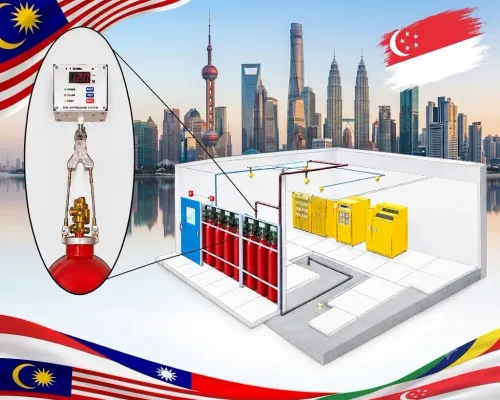
A typical clean agent system can include:
- Fire suppression cylinders
- Cylinder valves
- Releasing mechanism
- Fire suppression control panel
- Smoke detectors
- Heat detectors where applicable
- Discharge piping
- Engineered discharge nozzles
- Manual release station
- Abort switch
- Audible and visual alarms
- Pressure monitoring
- HVAC shutdown interface
- Electrical shutdown interface
- Door/access-control interfaces
The final configuration depends on the protected enclosure, selected agent, applicable standard and project specification.
For projects using NFPA-based specifications, NFPA 2001 is a relevant standard for clean-agent fire extinguishing systems.
2. Automatic Fire Suppression for Electrical Panels
Electrical control panels and cabinets can represent localized fire hazards.
LIFEGUARD® can support specialized suppression arrangements for applications such as:
- Electrical control panels
- MCC panels
- PLC panels
- Server cabinets
- Battery cabinets
- Control cabinets
- Electrical enclosures
- Machinery enclosures
Compact automatic suppression solutions can be considered where early detection and localized suppression are required.
Depending on the technology, the system may use automatic detection and activation to suppress a fire directly within the protected enclosure.
3. Automatic Kitchen Fire Suppression Systems
University cafeterias and institutional kitchens can contain high-risk cooking equipment.
Potential hazards include:
- Deep-fat fryers
- Cooking ranges
- Griddles
- Exhaust hoods
- Cooking appliances
- Gas-fired equipment
- Cooking oil
- Grease accumulation
An automatic kitchen suppression system can incorporate:
- Detection arrangement
- Suppression agent
- Agent container
- Distribution piping
- Discharge nozzles
- Manual activation
- Fire alarm interface
- Gas/electrical interlock
- Appliance shutdown
- Exhaust system interface
A properly designed kitchen suppression system can provide automatic response to a fire condition while simultaneously initiating appropriate equipment shutdown and alarm functions.
4. Water Mist Fire Suppression Systems
Water mist systems use finely divided water droplets to control or suppress certain fire hazards.
Depending on the application and system design, water mist may be considered for:
- Electrical areas
- Machinery spaces
- Special hazards
- Industrial rooms
- Utility areas
- Selected equipment protection applications
Where NFPA-based specifications apply, NFPA 750 addresses water mist fire protection systems.
System selection must be based on the specific fire hazard, equipment sensitivity, required performance and applicable approval/design criteria.
5. CO₂ Fire Suppression Systems
Carbon dioxide suppression systems can be used for selected industrial and equipment hazards where the technology is appropriate.
Potential applications may include:
- Electrical installations
- Industrial machinery
- Generator-related hazards
- Specialized process equipment
- Selected utility areas
Because CO₂ creates an atmosphere that can be hazardous to people, system design must incorporate appropriate life-safety measures, warning alarms, controls, evacuation provisions and applicable standards.
University Data Centre & Server Room Fire Protection
University IT infrastructure is increasingly mission-critical.
A fire in a server room can result in:
- Loss of computer equipment
- Data disruption
- Network downtime
- Research interruptions
- Loss of digital services
- Financial losses
- Disruption of academic operations
For these applications, gaseous clean-agent systems may be considered because they can suppress fire without the same type of residue associated with dry chemical powder extinguishing agents.
A typical automatic clean-agent sequence may include:
Fire Detection → Alarm → Suppression Logic → Pre-Discharge Warning → Time Delay → HVAC/Equipment Interface → Agent Release → Fire Suppression
The actual release logic should be engineered according to the approved system design.
Automatic Fire Suppression for University Laboratories
University laboratories can contain specialized fire hazards that differ significantly from ordinary classrooms.
Laboratories may contain:
- Flammable liquids
- Chemicals
- Gas cylinders
- Electrical equipment
- Heating equipment
- Research instruments
- Laboratory machinery
- High-value equipment
A laboratory fire protection strategy should begin with a hazard assessment.
Depending on the hazard, the solution may involve:
- Fire detection
- Local application suppression
- Clean-agent suppression
- Water-based systems
- Special hazard suppression
- Portable extinguishers
- Gas detection
- Emergency shutdown
- Fire alarm integration
The final suppression technology should be selected based on the actual materials and processes present.
University Library & Archive Fire Protection
Libraries contain substantial quantities of paper and other combustible materials.
Fire protection may incorporate:
- Automatic detection
- Smoke detection
- Fire alarm systems
- Sprinkler systems
- Water mist systems
- Portable fire extinguishers
- Emergency response equipment
The protection strategy should balance fire control, occupant safety and protection of valuable books, archives and historical documents.
Fire Suppression for University Hostels
Student accommodation presents special life-safety considerations because occupants may be sleeping and buildings can have high occupancy.
A university hostel fire protection strategy may include:
- Fire alarm systems
- Smoke detectors
- Manual call points
- Emergency lighting
- Fire extinguishers
- Hydrant systems
- Sprinkler systems
- Hose reels
- Fire doors
- Emergency signage
- Automatic suppression where required
Automatic suppression systems should be integrated with the overall building fire protection strategy rather than treated as an independent installation.
Fire Protection for University Workshops
Engineering and technical universities often operate workshops containing machinery and process equipment.
Potential hazards can include:
- Welding operations
- Electrical equipment
- Machinery
- Lubricants
- Fuels
- Flammable liquids
- Hydraulic systems
- Compressed gases
Depending on the risk assessment, automatic suppression may be considered for specific machinery, equipment enclosures or hazardous areas.
Standards & Compliance for African Projects
Fire suppression systems supplied to African universities should be designed according to the requirements applicable to the destination country, project specification and Authority Having Jurisdiction (AHJ).
Depending on the project, specifications may reference internationally recognized standards such as:
- NFPA 13 – Sprinkler Systems
- NFPA 20 – Fire Pumps
- NFPA 25 – Inspection, Testing and Maintenance
- NFPA 72 – Fire Alarm and Signaling
- NFPA 101 – Life Safety
- NFPA 2001 – Clean Agent Fire Extinguishing Systems
- NFPA 750 – Water Mist Fire Protection Systems
NFPA references different automatic suppression technologies to different standards, including clean agent, water mist, CO₂, dry chemical and other systems.
For African projects, local building regulations, national fire codes and AHJ requirements must also be considered. For example, South African requirements can include provisions relating to fixed fire-extinguishing and suppression systems.
Important: Certification and approval requirements vary by product, system, country and project. LIFEGUARD® can provide available technical documentation for review against the applicable project specification.
University Automatic Suppression Exporter from India to Africa
As an Indian fire safety equipment manufacturer and exporter, LIFEGUARD® can support international university projects with:
- Technical product information
- System specifications
- Commercial quotations
- Product catalogues
- Technical submittals
- Equipment schedules
- System configuration
- Project-specific documentation
- Export packaging
- Packing lists
- Inspection coordination where agreed
- Freight-forwarder coordination
- Spare-parts recommendations
- Remote technical assistance
Export requirements can be coordinated according to the destination country, project scope, contractual requirements and applicable import regulations. LIFEGUARD®'s existing Africa-focused export content also identifies distributors, importers, EPC contractors and fire-protection contractors as potential project partners.
Countries Across Africa Served Through Export Enquiries
LIFEGUARD® welcomes enquiries for university and educational fire protection projects from markets including:
- South Africa
- Nigeria
- Kenya
- Ghana
- Tanzania
- Uganda
- Ethiopia
- Rwanda
- Zambia
- Zimbabwe
- Botswana
- Namibia
- Mozambique
- Angola
- Egypt
- Morocco
- Algeria
- Tunisia
- Senegal
- Côte d'Ivoire
- Cameroon
- Mauritius
- Other African markets
Final supply, certification, installation and technical requirements are subject to the destination country's regulations and the specific project scope.
OEM & Bulk Supply for African Distributors
LIFEGUARD® can also support eligible OEM, distributor and bulk procurement requirements.
Potential customers include:
- University procurement departments
- Government education departments
- EPC contractors
- MEP contractors
- Fire protection contractors
- Engineering consultants
- Facility management companies
- Fire safety distributors
- Importers
- Authorized dealers
- Educational infrastructure developers
For bulk projects, requirements can be evaluated for:
- Product configuration
- Quantity
- Packaging
- Documentation
- Labelling
- Spare parts
- Delivery schedule
- Inspection requirements
- Technical support
- Commercial terms
OEM or private-label arrangements may be considered depending on the product, quantity, technical requirements and commercial agreement.
Why Choose LIFEGUARD®?
Indian Fire Safety Manufacturing Expertise
LIFEGUARD® is the fire safety brand of United Fire Equipments Pvt. Ltd., an Indian manufacturer of fire safety equipment and protection solutions.
Complete Fire Protection Portfolio
Customers can source multiple categories of fire safety equipment and suppression technologies through one experienced manufacturer.
Application-Based Engineering
University buildings have different risks. LIFEGUARD® focuses on matching the suppression technology to the specific application.
Export-Oriented Support
International customers can receive technical documentation, commercial proposals, export packaging support and logistics coordination according to the agreed project scope.
Support for Contractors & Distributors
LIFEGUARD® can work with project contractors, consultants, importers and fire safety distributors serving African markets.
From Fire Detection to Automatic Suppression
An effective automatic suppression system is not simply a cylinder and nozzle.
A properly engineered system can involve:
Detection → Control Panel → Logic/Confirmation → Alarm → Pre-Discharge Warning → Interlocks → Agent Release → Suppression → Monitoring → Inspection & Maintenance
The exact sequence depends on the suppression technology and project design.
System reliability also depends on correct installation, commissioning, testing, inspection and maintenance.
Technical Information Required for a University Suppression Project
For an accurate technical and commercial proposal, LIFEGUARD® may require information such as:
- Project location
- Building type
- Number of protected rooms
- Room dimensions
- Room volume
- Ceiling height
- Hazard type
- Equipment inside the room
- Electrical load
- Fire detection requirements
- Existing fire alarm system
- HVAC configuration
- Ventilation arrangements
- Door/opening information
- Required suppression technology
- Applicable standard
- Required certification
- Quantity of systems
- Installation scope
- Commissioning requirements
- Delivery destination
Providing this information helps the engineering team determine the appropriate system configuration.
University Automatic Fire Suppression Solutions – Africa
Whether the requirement is for a university server room, laboratory, electrical room, commercial kitchen, workshop, library, hostel, research facility or complete campus, LIFEGUARD® can support the fire protection requirement with application-oriented equipment and technical assistance.
Our objective is to help African educational institutions, contractors, consultants, distributors and procurement teams source dependable fire protection equipment from an experienced Indian manufacturer.
LIFEGUARD® – Fire Safety Equipment Manufacturer & Exporter from India
Frequently Asked Questions
Who is a university automatic suppression exporter to Africa?
LIFEGUARD®, the fire safety brand of United Fire Equipments Pvt. Ltd., supports export enquiries for automatic fire suppression equipment and fire protection solutions for universities and educational infrastructure in African markets.
What automatic suppression systems can be used in universities?
The appropriate system depends on the hazard. Possible technologies include clean-agent suppression, water mist, sprinklers, kitchen suppression, localized equipment suppression and other engineered systems.
Can LIFEGUARD® supply clean-agent systems for university server rooms?
Yes. LIFEGUARD® can support project enquiries for clean-agent fire suppression systems for server rooms, IT rooms, data centres and other sensitive equipment areas.
Can LIFEGUARD® export fire suppression systems to Africa?
LIFEGUARD® accepts project and distribution enquiries from African markets and can support technical documentation, quotations, export packaging and logistics coordination according to the agreed scope.
Can automatic suppression systems be customized for universities?
Yes. System configuration can be developed according to the protected room, hazard, equipment, dimensions, applicable standards and project specification.
Does every university building require the same suppression system?
No. A laboratory, server room, kitchen, library, hostel and electrical room can have substantially different fire hazards. A project-specific fire risk assessment and engineering review should determine the appropriate protection technology.
Contact LIFEGUARD®
United Fire Equipments Pvt. Ltd.
LIFEGUARD® – Fire Safety Equipment Manufacturer & Exporter
Corporate Office:
LIFEGUARD Tower, K-960, Opp. SBI,
Rithala, Rohini, New Delhi – 110085, India
Manufacturing Facility:
B-38, Mangolpuri Industrial Area, Phase-II,
New Delhi – 110034, India
Email: ufe126@gmail.com | info@lifeguardindia.in
Website: www.lifeguardindia.in
For university automatic fire suppression systems, clean-agent systems, specialized suppression equipment, technical submittals and African export enquiries, contact LIFEGUARD® for project-specific assistance.
SEO Metadata
Meta Title:
University Automatic Suppression Exporter Africa | LIFEGUARD®
Meta Description:
LIFEGUARD® is an Indian university automatic suppression exporter serving Africa with clean agent, water mist, kitchen and specialized fire suppression solutions.
Primary Keyword:
University Automatic Suppression Exporter Africa
Secondary Keywords:
- University automatic suppression system Africa
- University fire suppression exporter Africa
- University fire protection equipment Africa
- University fire suppression system supplier Africa
- Automatic fire suppression Africa
- University clean agent suppression Africa
- University fire safety equipment exporter
- University fire protection supplier Africa
- University fire suppression manufacturer India
- Educational institution fire suppression Africa
- University server room fire suppression Africa
- University laboratory fire suppression Africa
- University kitchen fire suppression Africa
- Automatic suppression system exporter India
- LIFEGUARD fire suppression Africa
Suggested URL Slug:
/university-automatic-suppression-exporter-africa/
Suggested Image Alt Text:
LIFEGUARD university automatic fire suppression exporter Africa
Suggested H1:
University Automatic Suppression Exporter Africa
Keywords