A fire alarm, sprinkler network, smoke-control system and evacuation plan can each pass an individual test while failing to work together during a real emergency. By the end, you will be able to map the protection chain, specify the documents and tests a project needs, and compare system choices for different building hazards.
Key takeaways
- Document every response in a cause-and-effect matrix before installation.
- Divide the building by occupancy, fire load, compartment and evacuation needs.
- Match detection and suppression systems to the specific hazard, not floor area alone.
- Test signals, interfaces and backup power before handover and at scheduled intervals.
What Makes a Fire Protection System Truly Integrated?
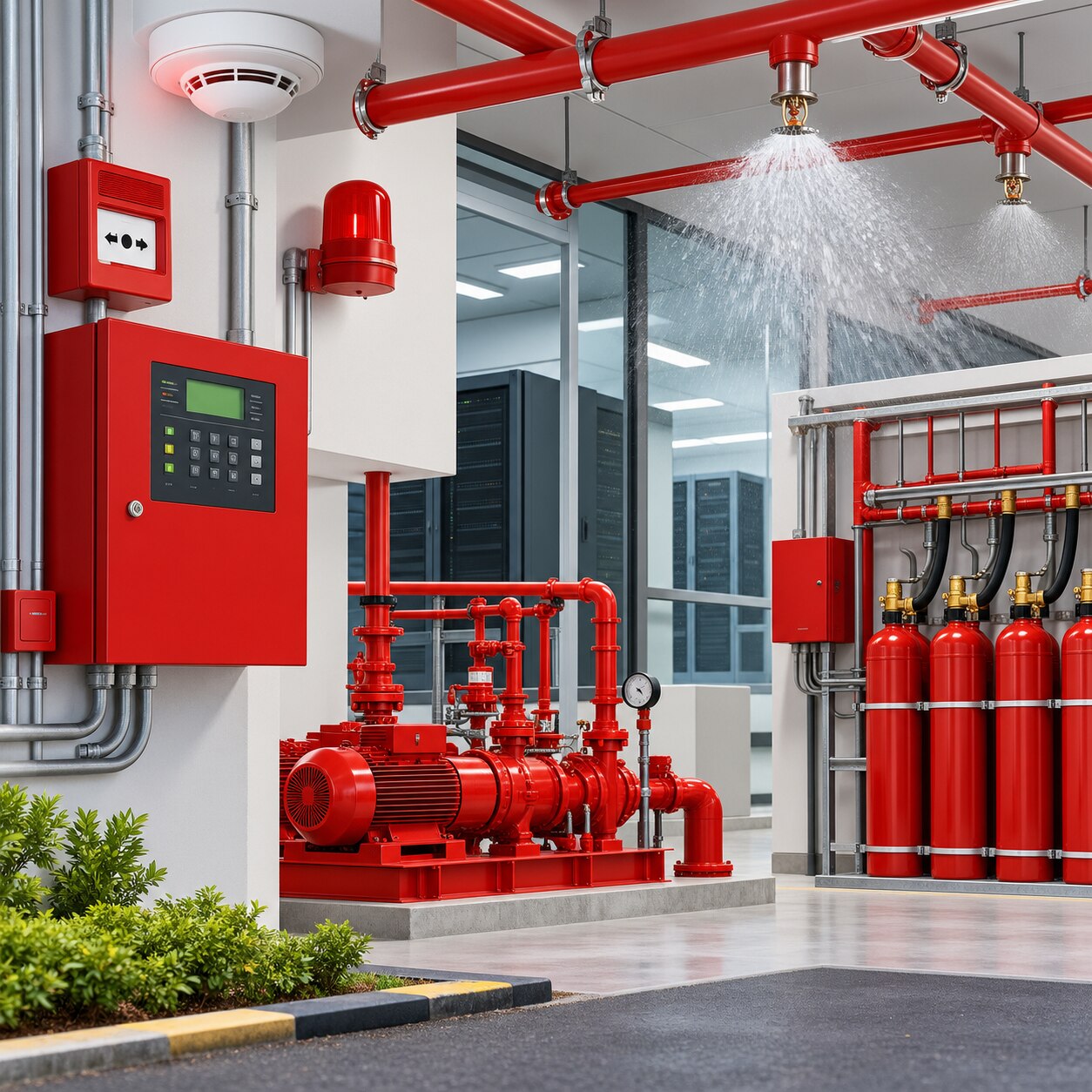
An integrated fire protection system is a planned chain in which each system performs a defined action and passes the right signal to the next one. A cause-and-effect matrix records that logic: fire detection triggers control-panel decisions, fire alarm notification appliances warn occupants, and suppression, smoke control and evacuation controls respond in a tested sequence.
A collection of unrelated products does not provide that assurance. A detector can report smoke while HVAC continues spreading it, a lift remains available to occupants, or an access-controlled door blocks evacuation. Changing one interface without retesting the sequence can make a previously approved design unreliable.
Check that the design links:
- Fire detection and alarm notification with automatic sprinklers, hydrants and fire-pump operation
- Passive fire protection, including compartment walls, fire doors and penetration seals, with smoke control and HVAC shutdown
- Emergency power to the alarm panel, pumps, fans, dampers, control circuits and communications equipment required for the sequence
- Lift recall, access-control release and evacuation controls to the correct alarm zone
- Supervisory and trouble signals to maintenance responses rather than treating them as confirmed fires
An alarm means fire action is required. A supervisory signal, such as a closed sprinkler valve, means a protection condition has changed; a trouble signal points to a fault such as a failed circuit or battery.
A waterflow switch confirms water movement after a sprinkler operates, but it does not replace smoke detection, which can warn occupants earlier. NFPA 4 integrated testing verifies the chain end to end.
What Happens During a Real Fire Event?
A smoke detector activates, the fire alarm control panel confirms the programmed input, and the fire emergency sequence begins. The panel records the device, sends occupant notification, and issues commands to connected building systems.
- Alarm sounders, strobes and voice messages warn occupants while the panel transmits the fire signal to the designated monitoring point.
- HVAC equipment shuts down where recirculation could spread smoke, or smoke control starts. Fans alone are not enough: the sequence must position dampers, close or release fire doors, maintain pressure relationships, provide makeup air and account for stair and shaft leakage.
- Elevator recall sends cars to the designated recall floor and removes them from normal service. Access-control doors release or unlock the routes required for evacuation.
- Heat opens a sprinkler, waterflow starts the fire pump, and hydrant systems become available. Firefighters connect their hose lines to the fire department connection while occupants evacuate through protected exits.
- Standby power carries the required alarm, pump, fan, damper and control loads through transfer equipment. A powered panel proves little if a fan, damper or pump fails to transfer.
NFPA 4 integrated testing checks this end-to-end interaction under realistic operating conditions, including closed doors, active HVAC, generator operation and programmed interfaces. Separate alarm, sprinkler and smoke-control certificates cannot prove that the complete sequence works together.
Require a witnessed integrated test plan, controlled points list and recorded results; a later HVAC, elevator, access-control or generator change requires retesting.
How Should the Building Be Divided and Designed Before Installation?
Divide the building into fire compartments before selecting equipment. Compartment walls, fire doors, penetration seals and protected shafts limit fire and smoke spread; passive fire-resistance coatings protect structural steel and other elements. Active systems then cover what compartments cannot: detection, alarms, sprinklers, hydrants and smoke control.
A missing seal can defeat an otherwise correctly calculated sprinkler system.
Request this design package before installation:
- Coordinated floor plans showing compartment boundaries, fire doors, shafts, penetrations, equipment, ceiling heights, obstructions and access routes.
- The occupancy and hazard classification, plus storage height, rack geometry, aisle width, commodity details and packaging. These facts determine sprinkler selection and water demand.
- Sprinkler water-demand calculations, pump sizing, tank capacity and hydrant requirements, with assumptions stated.
- Detector zoning, fire-alarm loop layouts, interfaces and emergency-power loads, including required fans, pumps, dampers, control panels and transfer equipment.
- A signed cause-and-effect matrix stating what each alarm, supervisory and trouble signal activates, releases or reports.
Numbered design review must follow the actual future use, not the former tenant’s drawings. Converting ordinary-light-hazard space into high-piled plastics or automated storage changes the fire load, discharge pattern and obstruction risks. Lithium-ion storage adds thermal runaway, toxic and flammable gases, cooling demand, ventilation, separation, shutdown and re-ignition concerns.
Each conversion needs a fresh engineered design, authority review and integrated testing plan; separate alarm, sprinkler and smoke-control certificates do not prove the complete sequence under NFPA 4.
Which Protection Choices Fit Different Building Hazards?
Choose protection by occupancy, fuel load, layout and fire-service access, not by floor area alone. An office needs reliable occupant notification and compartmentation; a warehouse needs storage-specific sprinklers and hydrants; a factory needs process-hazard detection and isolation.
Alarm choice affects both response and ownership cost:
| Option | Fault location and zoning | Cabling, expansion and lifecycle cost |
|---|---|---|
| Addressable fire alarm | Identifies the individual detector or module in alarm, supervisory or trouble condition | Loop cabling supports detailed zoning and expansion; higher initial cost, easier fault-finding and lower disruption |
| Conventional fire alarm | Identifies only the circuit or zone containing the device | Separate zone cables require more wiring for larger buildings; lower initial cost, slower fault location and limited expansion |
Match the system to the building:
- Data centres need pre-action automatic sprinkler systems, aspirating smoke detection, clean-agent protection only where the hazard analysis supports it, compartmentation, shutdown logic and reliable emergency power.
- Parking garages need smoke control, carbon-monoxide monitoring where required, hydrants, hose reels, sprinklers where designed for the hazard, and clear fire-service access.
- Mixed-use buildings need separated residential, retail, kitchen, storage and plant-room risks with coordinated smoke control and fire-rated barriers.
- Factories and warehouses need commodity-specific sprinkler calculations, hydrants, portable extinguishers, rack clearance and sealed penetrations.
Battery rooms require lithium-ion battery fire safety based on thermal runaway, flammable and toxic gas release, cooling water, ventilation, emergency shutdown, separation and re-ignition control. A flame detector or clean agent does not stop a damaged cell. Demand configuration-specific UL 9540A evidence; changes to chemistry, enclosure, spacing, HVAC or suppression invalidate simple comparisons.
What Should You Verify Before Handover and During Operation?
Do not accept separate alarm, sprinkler and smoke-control certificates as proof that the building is ready.
Before handover, match the approved design to the National Building Code of India provisions, including NBC 2016 Part 4, and verify the listed standards: IS 2189 for detection and alarm, IS 15105 for automatic sprinklers, IS 3844 for internal hydrants and hose reels, IS 13039 for external hydrants, IS 2190 for portable extinguishers, and IS 15683 where applicable.
1. Request the authority approvals, hazard classifications, hydraulic calculations, pump and tank calculations, equipment approvals, final drawings, cause-and-effect matrix, controlled points list and software configuration. Check that every revision is dated, numbered and traceable to the installed system.
2. Witness an end-to-end test under an integrated test plan, using NFPA 4 as the testing framework. Trigger detectors, waterflow switches and manual call points, then verify notification, HVAC and damper actions, lift recall, access release, suppression or releasing circuits, pump start, emergency power, communications and fire-service signals.
Record the expected result, actual result, witness, date and corrective action.
3. Put inspection and maintenance on a schedule covering valves and valve supervision, pumps, batteries, emergency generators, detectors, notification appliances, releasing circuits, interfaces, control panels and communications paths. A closed valve or isolated zone can leave an intact-looking installation unavailable.
4. Re-test after renovations or programming changes. United Fire Equipment Pvt Ltd can support a coordinated package, but you must confirm compatibility, approvals, calculations, revision control and commissioning evidence rather than buying isolated products.
Related products
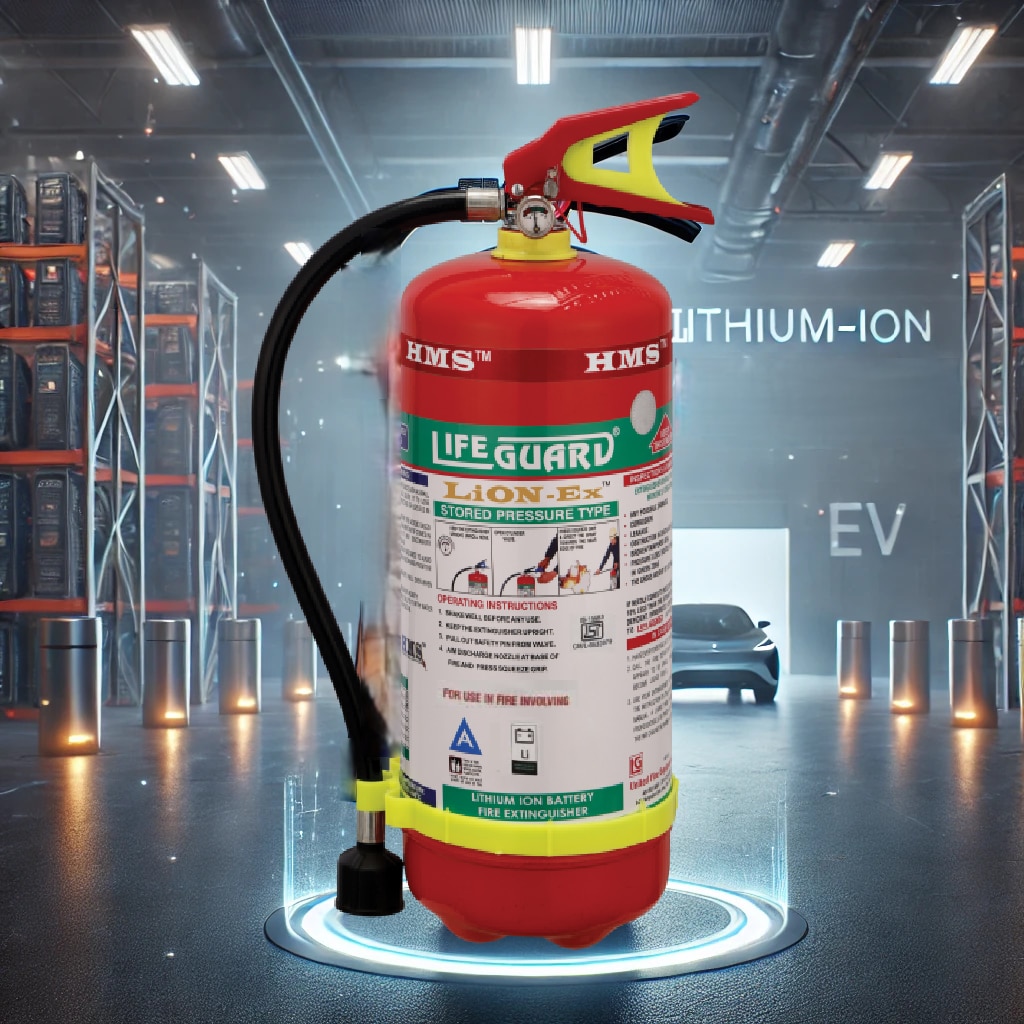 | EV FIRE EV FIRE EXTINGUISHER ₹54000 Lifeguard EV Fire Extinguisher Manufacturer – Complete Safety for Electric Vehicles The future of mobility is electric. |
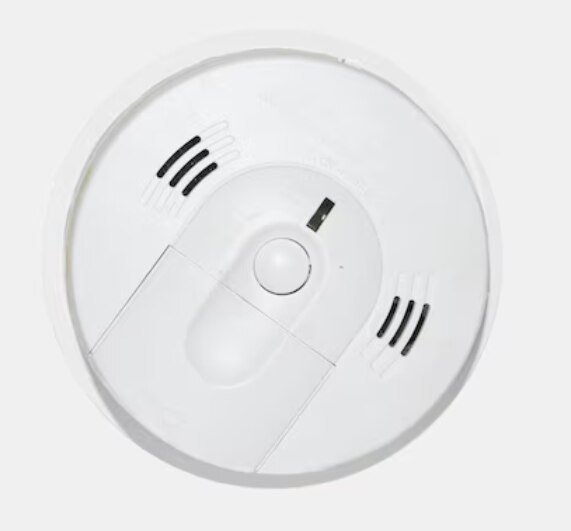 | Fire Detection and Alarm System Lg-521 Sd Smoke Detector ₹2300 The LG-521 SD Smoke Detector is a reliable, high-performance device designed to provide early warning in case of fire emergencies. |
Frequently asked questions
What makes a fire protection system truly integrated?
An integrated system assigns each subsystem a defined action and links those actions through a tested cause-and-effect matrix.
What happens during a real fire event?
Detection devices send signals to the control panel, which activates notification, suppression, smoke control and evacuation responses in the specified sequence.
How should a building be divided before installation?
Divide it by occupancy, fire load, compartmentation, hazards, smoke-control zones and evacuation routes before selecting equipment or interfaces.
Which protection choices fit different building hazards?
Choose detection, suppression and smoke-control methods according to the fuel, process, equipment, occupancy and risk in each area.
What should you verify before handover and during operation?
Verify device coverage, cause-and-effect actions, alarm audibility, interfaces, emergency power, commissioning records and recurring inspection and testing.
Related products
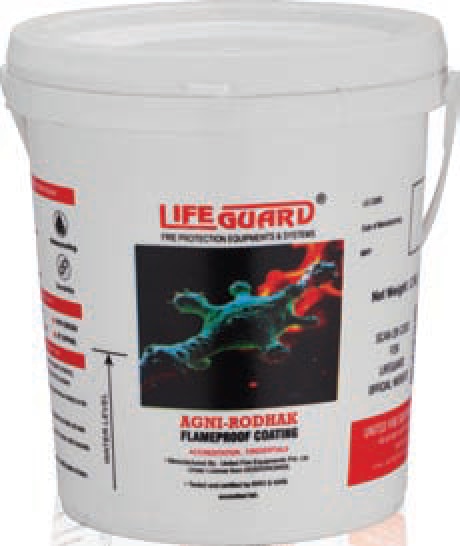 | Passive Fire Protection Agni-Rodhak ₹10500 ™ – Advanced Flame-Proof Fire Protection Coating Agni-Rodhak™, powered by LIFEGUARD® India, is an advanced flame-proof and fire-retardant coating... |
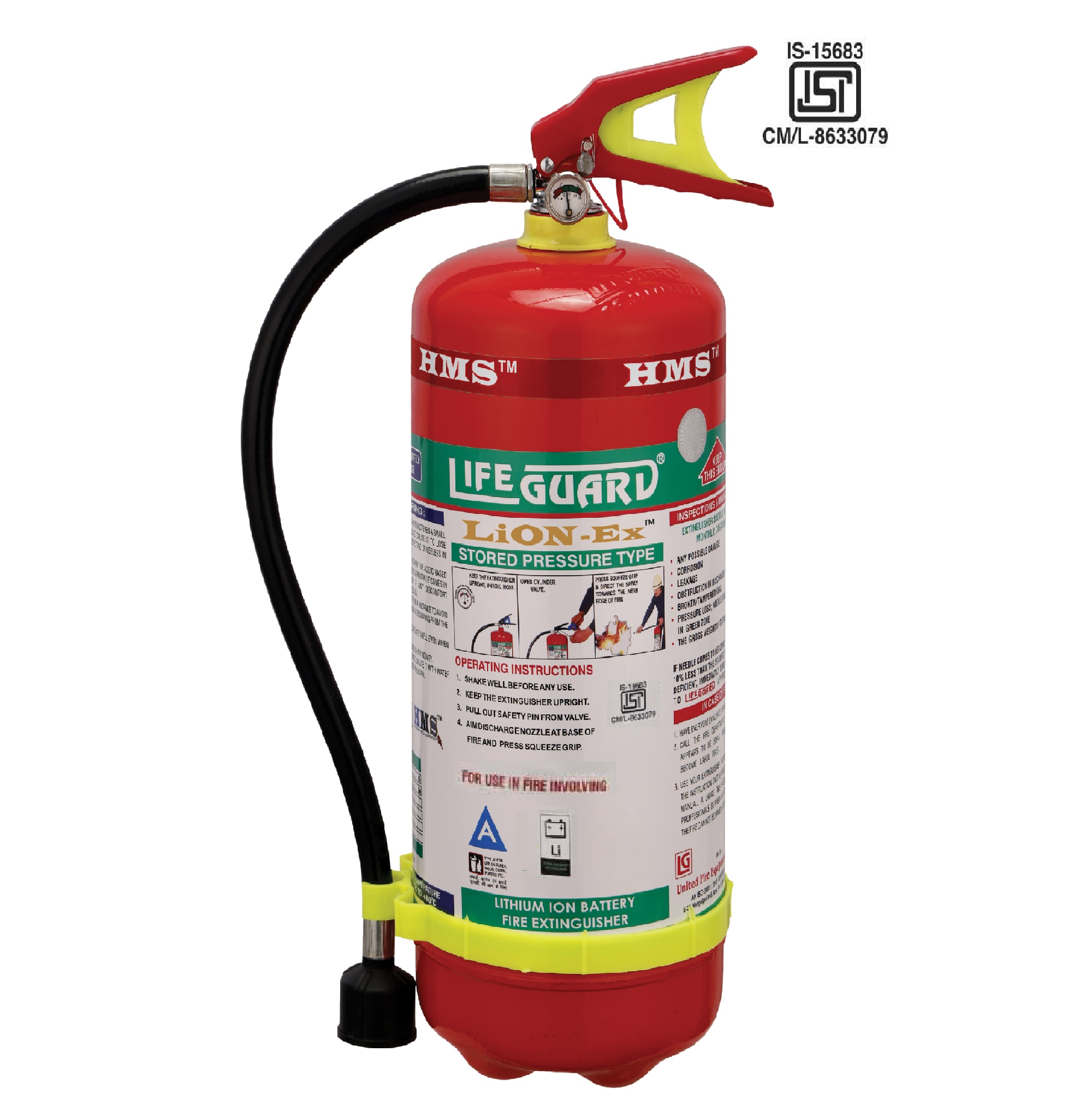 | Lithium Ion Fire Extinguisher LiON-Ex 9 Liters Lithium Fire Extinguisher ₹72000 LiON-Ex Fire Extinguisher for Lithium Ion Battery fire, capacity 9 liters filled with HMS agent, duly ISI marked, tested as per IS : 15683. |
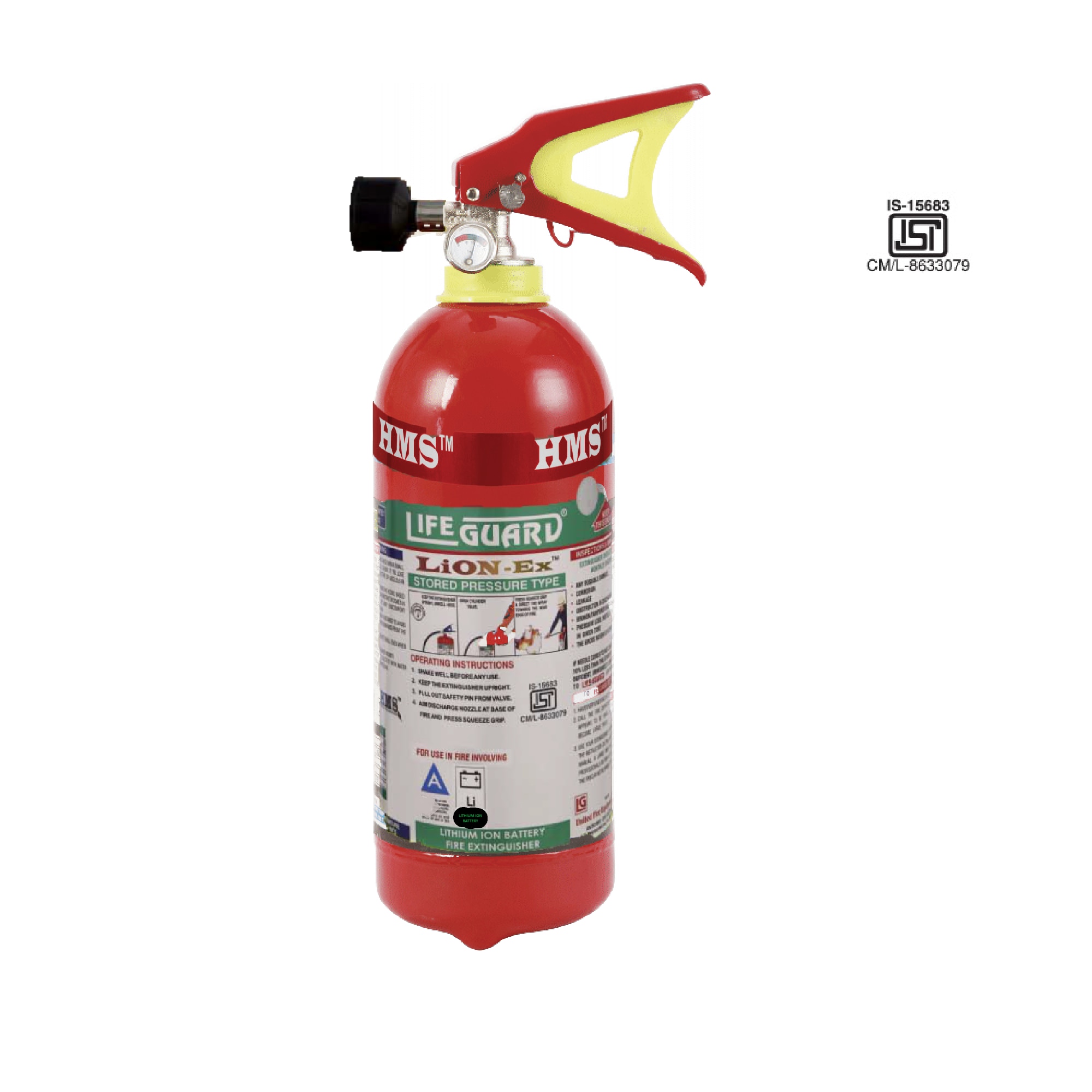 | Lithium Ion Fire Extinguisher LiON-Ex 2 litres ₹18000 LiON-Ex Fire Extinguisher for Lithium Ion Battery fire, capacity 2ltrs. filled with HMS agent, duly ISI marked, tested as per IS : 15683. |
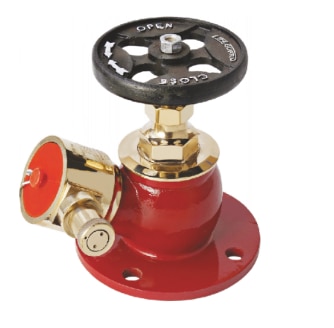 | Hydrant Systems Lg-401 Hydrant Gm ₹21100 The LG-401 Hydrant GM is a high-performance fire hydrant designed for robust and reliable operation in emergency situations. |