
Modern commercial buildings and industrial facilities rely heavily on electrical infrastructure, server rooms, automation systems, and sensitive electronic equipment. In these environments, traditional water-based fire suppression methods can create as much damage as the fire itself.
This is why clean agent fire suppression systems are becoming increasingly common across Delhi in data centers, control rooms, telecom facilities, laboratories, and electrical installations.
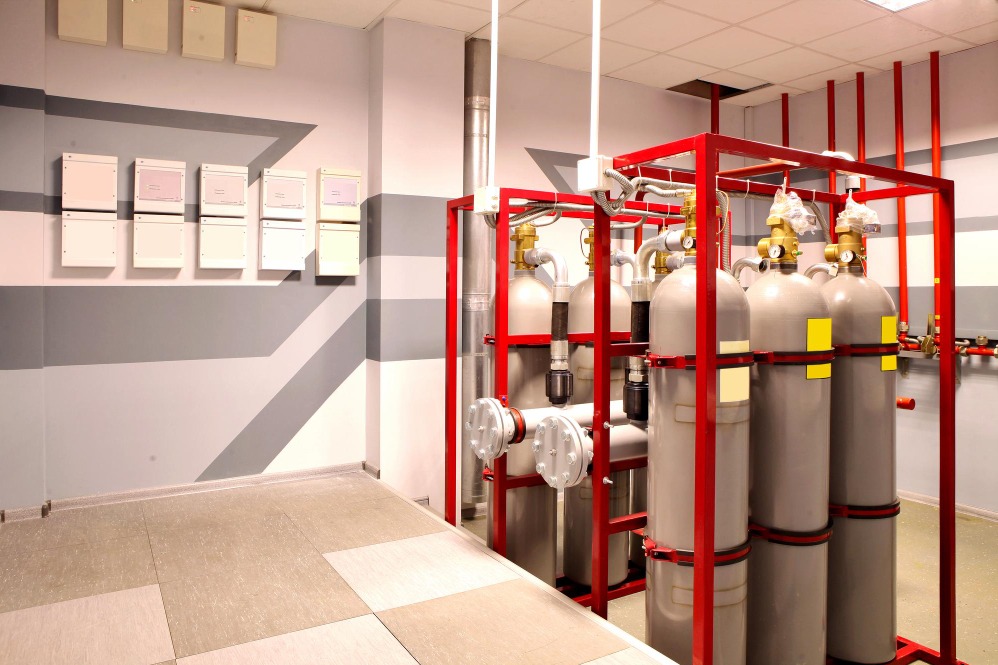
A clean agent fire suppression system uses gaseous extinguishing agents that suppress fires without leaving residue or damaging sensitive equipment. These systems are particularly useful where uninterrupted operations are critical.
Unlike conventional extinguishing methods, clean agents work rapidly and help minimize equipment downtime after an incident.
Industries commonly using clean agent systems include:
- IT infrastructure facilities
- Banking institutions
- Telecom networks
- Manufacturing automation plants
- Medical laboratories
- Commercial office buildings
- Industrial control rooms
- Power distribution centers
One of the key benefits of clean agent suppression is that it is non-conductive. This makes it safer for electrical equipment and reduces the risk of secondary damage.
Many businesses in Delhi are upgrading older fire protection systems because modern facilities now contain higher concentrations of sensitive electronics and network infrastructure.
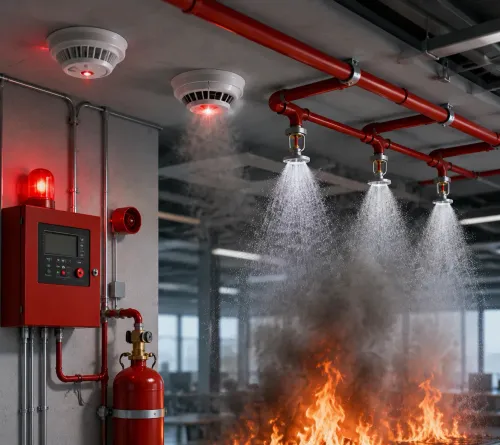
Clean agent systems typically function through:
- Early fire detection
- Alarm activation
- Automatic discharge
- Oxygen reduction or heat interruption
- Fire suppression without residue
Fast response time is critical in electrical fires. Even a small incident in a server room can interrupt operations, damage data infrastructure, and create extended downtime.
Another major advantage is reduced cleanup requirements. Water-based systems often require lengthy restoration processes after activation, while clean agent systems allow facilities to resume operations faster.
When selecting a suppression system, businesses should evaluate:
- Room size
- Equipment sensitivity
- Occupancy levels
- Ventilation systems
- Fire load risk
- Regulatory requirements
- Integration with existing alarms
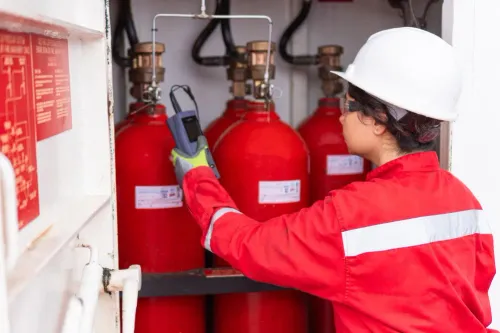
Installation quality also plays an important role. Improper nozzle placement or incorrect agent concentration can reduce system effectiveness.
Commercial developers in Delhi increasingly integrate clean agent fire suppression during early infrastructure planning instead of retrofitting systems later. This approach improves overall safety design and reduces long-term costs.
Routine maintenance is equally important. Suppression systems should undergo periodic inspections, cylinder checks, leak testing, and control panel verification to ensure operational readiness.
Businesses often assume that fire extinguishers alone provide adequate protection for electrical installations. However, fixed suppression systems offer faster automatic response and broader area coverage during emergencies.
United Fire Equipments Pvt. Ltd. provides clean agent fire suppression solutions for industrial facilities, server environments, commercial buildings, and electrical infrastructure requiring advanced protection methods. The company also supports integration with automatic fire detection systems for enhanced safety management.
As commercial and industrial infrastructure in Delhi becomes increasingly technology-driven, fire protection strategies must prioritize both life safety and equipment continuity. Clean agent systems help organizations protect critical assets while reducing operational disruption during fire emergencies.