
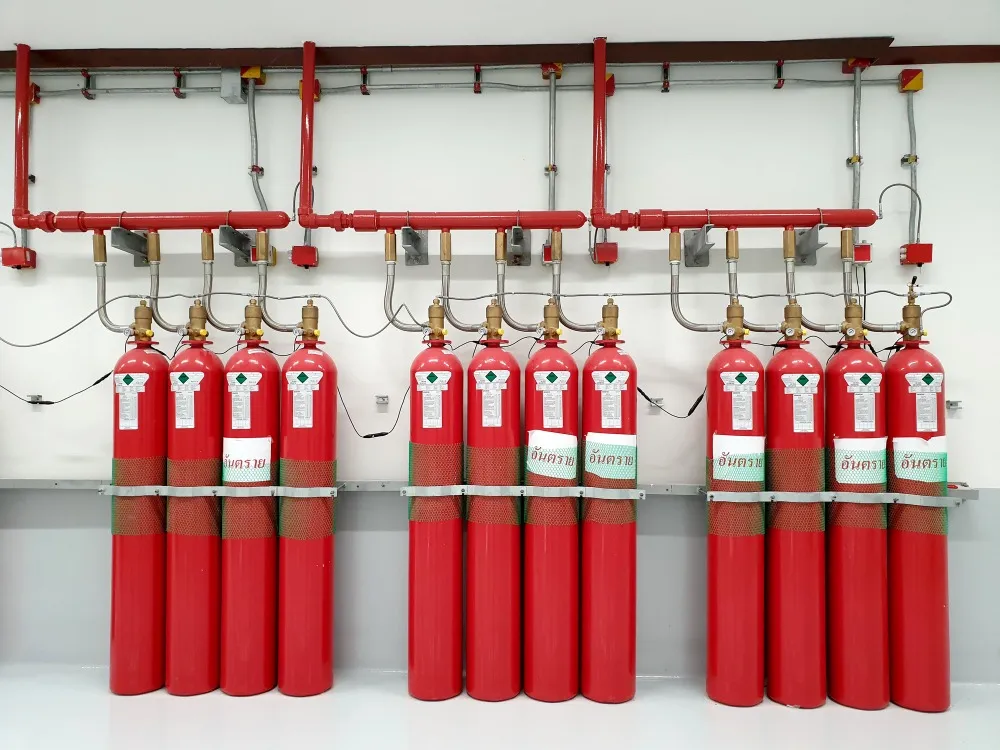
Modern businesses depend on data. From financial transactions and healthcare records to cloud services and e-commerce platforms, uninterrupted access to digital information is essential. Behind every digital operation is a data centre filled with servers, storage devices, networking equipment, and power systems that require specialised protection. This is why data center fire suppression has become a critical component of business continuity planning.
With Delhi continuing to grow as a hub for technology, financial services, and enterprise operations, the demand for reliable data centres is increasing. Along with high-performance infrastructure comes the need for fire suppression systems that can control fire without damaging sensitive electronic equipment.
Why Data Centres Require Special Fire Protection
Unlike conventional office spaces, data centres contain expensive equipment that operates continuously. Even a small fire can result in:
- Loss of critical business data
- Costly equipment replacement
- Service interruptions
- Extended operational downtime
- Financial losses
- Damage to customer confidence
Traditional firefighting methods are not always suitable because water can severely damage servers, storage devices, and communication systems.
For this reason, specialised suppression systems are widely used in server rooms and data centres.
Common Fire Risks in Data Centres
Several factors can contribute to fire incidents in IT environments.
These include:
- Electrical faults
- Overloaded circuits
- Power distribution failures
- Battery backup system malfunctions
- UPS equipment failures
- Cooling system issues
- Human error during maintenance
- Cable overheating
Because these risks often develop inside enclosed equipment racks, early detection is essential.
Key Components of a Data Center Fire Suppression System
An effective fire protection strategy combines multiple technologies that work together.
Early Fire Detection
Very early smoke detection systems identify microscopic smoke particles before visible smoke appears, allowing operators to respond quickly.
Fire Alarm System
Automatic alarms notify personnel and activate emergency procedures when abnormal conditions are detected.
Clean Agent Fire Suppression
Instead of water, many data centres use clean agents that extinguish fire without leaving residue or damaging sensitive electronics.
Environmental Monitoring
Temperature, humidity, and airflow monitoring help identify conditions that could increase fire risk.
Integrated Control Systems
Fire detection, suppression, ventilation, and emergency shutdown systems work together to provide coordinated protection.
Why Clean Agent Systems Are Preferred
Clean agent suppression systems are commonly selected for mission-critical environments because they:
- Leave no residue after discharge
- Minimise damage to electronic equipment
- Suppress fires rapidly
- Reduce business interruption
- Require minimal cleanup after activation
This allows businesses to restore operations more quickly following a fire incident.
Best Practices for Data Centre Fire Safety
Fire suppression should be part of a broader safety strategy.
Recommended practices include:
- Conduct regular fire risk assessments.
- Maintain proper cable management.
- Inspect UPS and battery systems.
- Monitor server room temperatures.
- Perform routine maintenance on detection systems.
- Test suppression equipment periodically.
- Train technical staff in emergency response procedures.
- Keep documentation updated for all fire protection systems.
These preventive measures improve reliability while reducing operational risks.
Common Mistakes to Avoid
Many organisations invest heavily in IT equipment but overlook fire safety planning.
Some common mistakes include:
- Relying solely on portable fire extinguishers
- Delaying maintenance of suppression systems
- Ignoring battery room protection
- Using unsuitable suppression methods
- Inadequate smoke detection coverage
- Failing to test emergency response procedures
Addressing these issues helps strengthen overall resilience.
Frequently Asked Questions
Can sprinkler systems be used inside data centres?
Sprinklers may form part of the building's overall fire protection strategy, but server rooms often use clean agent suppression systems to avoid water damage.
How quickly should a suppression system activate?
Early detection allows suppression systems to respond within seconds of confirming a fire condition, helping minimise equipment damage.
Are battery rooms protected separately?
Yes. Battery backup areas often require dedicated fire detection and suppression because they present different fire risks from server rooms.
Can existing data centres upgrade their fire protection?
Yes. Many operational facilities can improve safety by installing modern detection, monitoring, and suppression technologies following a professional assessment.
As digital infrastructure continues to expand, data center fire suppression is no longer viewed as an optional investment. It is an essential safeguard for protecting critical business operations. United Fire Equipment Pvt Ltd provides fire protection solutions for technology facilities across Delhi, helping organisations protect valuable IT assets while supporting operational continuity and regulatory compliance.
Keywords






