
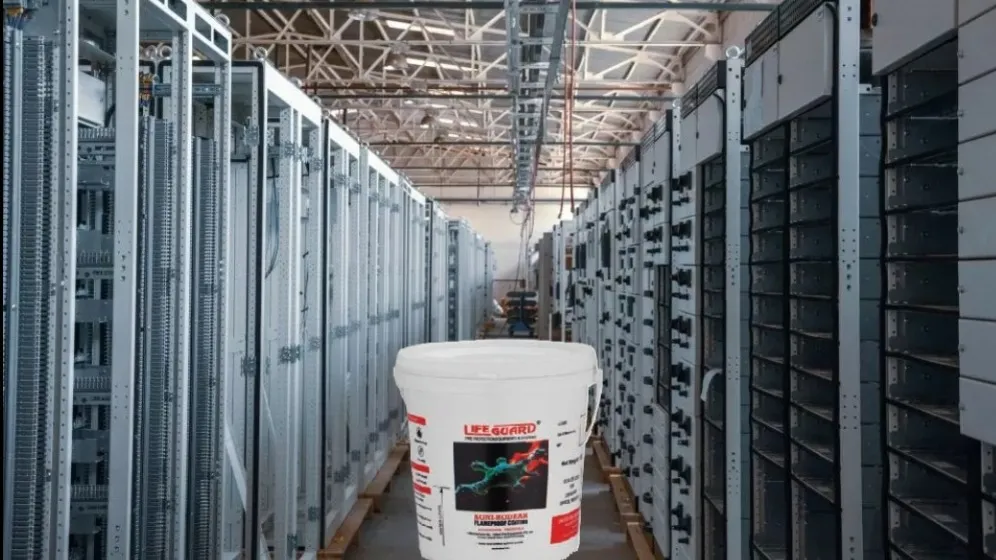
Data Center Passive Fire Protection: Safeguarding Mission-Critical Infrastructure
Advanced Passive Fire Protection Solutions for Modern Data Centers
Data centers serve as the backbone of today's digital economy, supporting cloud computing, financial transactions, telecommunications, enterprise operations, artificial intelligence, and critical government services. As organizations become increasingly dependent on uninterrupted digital connectivity, protecting data center infrastructure from fire hazards has become more important than ever.
A fire incident within a data center can result in equipment failure, data loss, service interruptions, financial losses, and reputational damage. Effective Data Center Passive Fire Protection provides continuous fire resistance that helps contain fire, protect critical infrastructure, and maintain operational continuity during emergencies.
At LIFEGUARD®, we deliver advanced passive fire protection solutions specifically designed to meet the demanding safety requirements of modern data centers and mission-critical facilities.
What is Data Center Passive Fire Protection?
Passive Fire Protection (PFP) refers to built-in fire safety systems that provide continuous protection without requiring activation, external power, or human intervention.
Unlike active fire protection systems such as sprinklers, alarms, and suppression systems, passive fire protection remains operational at all times and is designed to:
- Prevent fire spread
- Protect structural integrity
- Contain smoke movement
- Safeguard critical equipment
- Enhance evacuation safety
- Minimize operational disruption
Passive fire protection forms a crucial layer of defense within a comprehensive data center fire safety strategy.
Why Data Centers Require Specialized Fire Protection
Data centers house highly valuable assets, including:
- Servers
- Storage systems
- Network equipment
- UPS systems
- Power distribution units
- Battery energy storage systems
- Cooling infrastructure
- Communication networks
These facilities operate continuously and cannot afford prolonged downtime.
Potential consequences of a fire include:
Data Loss
Fire damage can impact critical business information and digital assets.
Service Interruptions
Network outages can disrupt business operations and customer services.
Equipment Damage
High-value hardware may suffer irreversible damage.
Business Continuity Risks
Downtime can result in significant financial and operational losses.
Regulatory and Compliance Issues
Service interruptions may affect contractual obligations and compliance requirements.
Common Fire Risks in Data Centers
Electrical Faults
Short circuits, overloaded circuits, and equipment failures are major fire risks.
UPS and Battery Systems
Battery rooms and backup power systems can generate significant heat and fire hazards.
Cable Infrastructure
Large cable networks can contribute to fire and smoke propagation.
Cooling Equipment
Mechanical failures and electrical malfunctions may increase fire risk.
High-Density Computing Environments
Increased power consumption and heat generation can elevate fire safety challenges.
Key Components of Data Center Passive Fire Protection
Fire Resistant Coatings
Fire-resistant coatings protect structural steel and critical support systems from heat exposure.
Benefits include:
- Enhanced fire resistance
- Reduced heat transfer
- Improved structural stability
- Long-term durability
Intumescent Fire Coatings
Intumescent coatings expand when exposed to heat, creating an insulating char layer that protects structural components.
Applications include:
- Structural steel
- Support frameworks
- Equipment platforms
- Utility infrastructure
Fire Compartmentation Systems
Compartmentation divides data centers into fire-resistant zones to contain fire and smoke.
Advantages include:
- Reduced fire spread
- Enhanced asset protection
- Improved emergency response
Fire Stop Systems
Fire stop products seal cable penetrations, conduits, and service openings.
Benefits include:
- Preservation of fire barriers
- Smoke control
- Improved compartment integrity
Cable Tray Fire Protection
Specialized fire protection systems help protect critical power and communication cable networks.
Thermal Barrier Solutions
Thermal barriers provide additional protection against extreme temperatures and fire exposure.
Benefits of Passive Fire Protection for Data Centers
Continuous Protection
Provides 24/7 fire resistance without requiring activation.
Enhanced Structural Integrity
Protects load-bearing elements and critical infrastructure.
Reduced Downtime
Helps maintain operational continuity during fire emergencies.
Asset Protection
Safeguards servers, networking equipment, and electrical systems.
Improved Life Safety
Supports safe evacuation and emergency response efforts.
Long-Term Reliability
Provides durable protection throughout the life of the facility.
Applications of Data Center Passive Fire Protection
Enterprise Data Centers
Protect mission-critical IT infrastructure and business operations.
Cloud Computing Facilities
Enhance resilience for large-scale cloud service environments.
Financial Data Centers
Protect transaction processing systems and sensitive information.
Government Data Centers
Safeguard essential public-sector digital infrastructure.
Telecommunications Facilities
Protect communication networks and operational systems.
Colocation Data Centers
Enhance protection for multi-tenant critical infrastructure facilities.
Edge Data Centers
Support reliable operation of distributed computing environments.
Data Center Fire Protection and Business Continuity
Business continuity is a primary concern for data center operators. Passive fire protection plays a vital role in reducing risk by helping facilities:
- Maintain operational uptime
- Protect critical equipment
- Minimize service disruptions
- Reduce recovery costs
- Enhance disaster resilience
A well-designed passive fire protection system can significantly improve the ability of a data center to withstand and recover from fire incidents.
Why Choose LIFEGUARD® for Data Center Passive Fire Protection?
Expertise in Critical Infrastructure Protection
LIFEGUARD® specializes in advanced fire protection systems for high-value facilities and mission-critical environments.
Innovative Fire Protection Technologies
Our fire-resistant coatings and passive fire protection solutions are engineered for superior performance.
Long-Term Durability
Designed to provide reliable protection under demanding operational conditions.
Customized Fire Safety Solutions
We develop project-specific fire protection strategies based on facility design and risk assessments.
Technical Support and Consultation
Our experts assist architects, consultants, contractors, and facility managers with specifications, implementation, and compliance requirements.
Future-Proof Your Data Center with LIFEGUARD®
As digital infrastructure becomes increasingly essential to business operations and economic growth, protecting data centers from fire hazards is critical. Passive fire protection provides a dependable and cost-effective solution for safeguarding critical assets, ensuring operational continuity, and enhancing overall facility resilience.
LIFEGUARD® delivers industry-leading Data Center Passive Fire Protection Solutions designed to meet the highest standards of safety, reliability, and performance.
Contact LIFEGUARD®
LIFEGUARD® – United Fire Equipments Pvt. Ltd.
Manufacturer of ISI Certified Fire Safety Equipment
📞 8048034226
Keywords






