
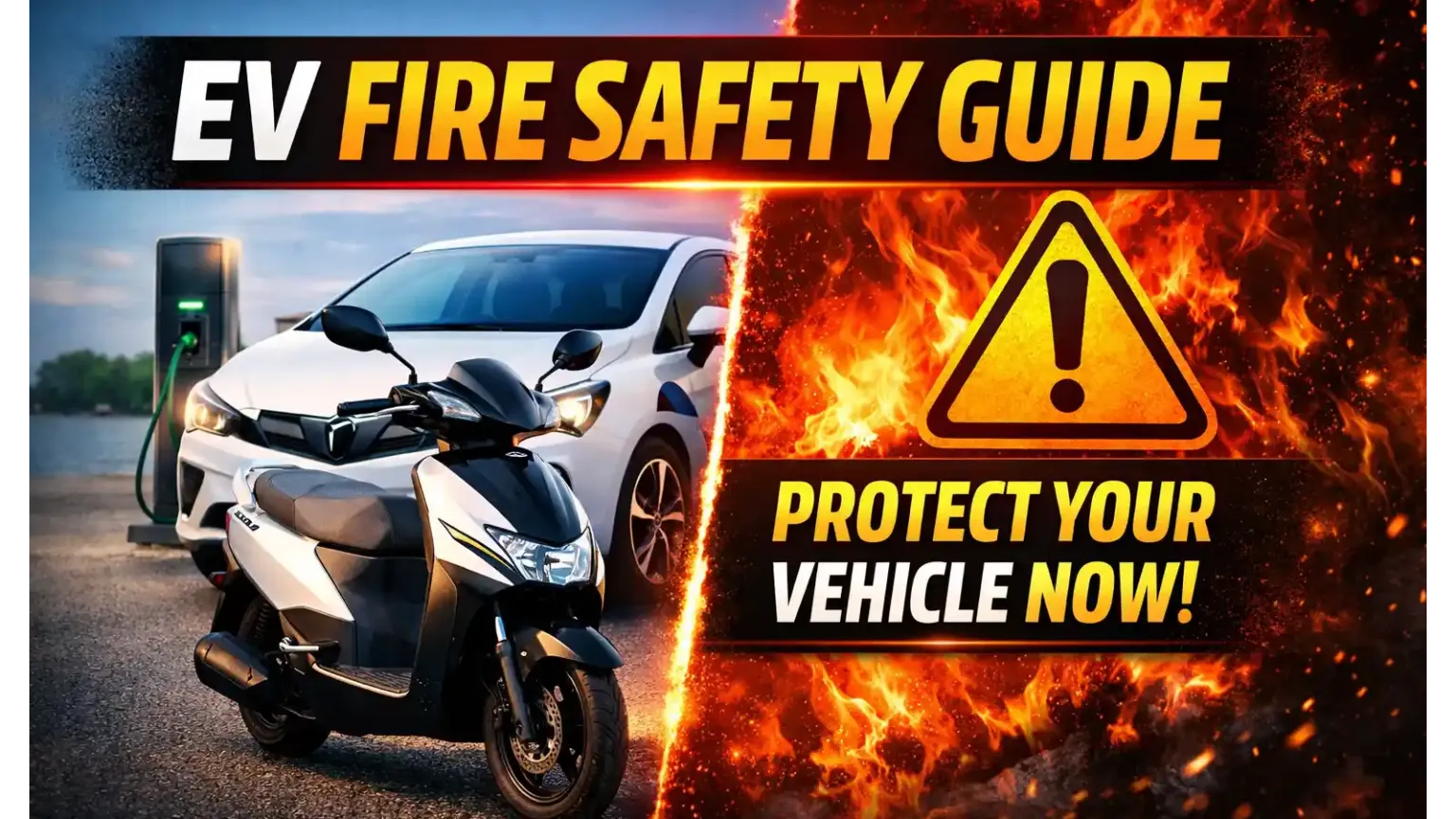
EV Fire Guides
Advanced Fire Safety Solutions for Electric Vehicles & EV Charging Infrastructure
The rapid growth of electric vehicles (EVs), lithium-ion battery technology, and EV charging infrastructure has transformed the future of transportation. While EVs offer energy efficiency and environmental benefits, they also introduce unique fire safety challenges related to lithium-ion batteries, thermal runaway, electrical faults, and high-voltage systems.
At LIFEGUARD®, we provide advanced EV fire safety solutions designed to protect electric vehicles, EV charging stations, battery storage systems, parking facilities, transport fleets, and critical infrastructure from fire hazards and thermal runaway incidents.
Our comprehensive EV fire guides help industries, facility operators, fleet managers, and EV infrastructure providers understand fire risks, improve emergency preparedness, and implement effective fire protection strategies.
Understanding EV Fire Risks
Electric vehicles use high-capacity lithium-ion battery systems that store large amounts of energy. Under certain conditions, these battery systems may experience overheating, electrical failure, or thermal runaway, which can result in intense fires, explosions, and toxic gas release.
Unlike conventional fuel fires, EV battery fires are more complex due to:
- High-voltage electrical systems
- Thermal runaway chain reactions
- Re-ignition risks
- Toxic and flammable gas emissions
- Difficult fire suppression conditions
As EV adoption increases, advanced fire safety systems have become essential for ensuring public safety and infrastructure protection.
Common Causes of EV Fires
Thermal Runaway
Thermal runaway occurs when battery cells overheat uncontrollably, generating excessive heat and triggering a chain reaction inside the battery pack.
Battery Damage
Physical impact, accidents, punctures, or crushing can damage battery cells and create internal short circuits.
Electrical Faults
Faulty wiring, charging system failures, electrical overloads, or defective battery management systems can increase fire risks.
Overcharging
Improper charging practices or malfunctioning charging equipment may generate excessive battery heat.
Manufacturing Defects
Defective battery cells or poor-quality components may lead to internal battery failure.
Warning Signs of EV Battery Fire Risks
Early identification of battery issues is critical for preventing fire incidents.
Common Warning Signs Include:
- Excessive battery heating
- Smoke or vapor release
- Burning smell
- Swelling or deformation of battery packs
- Sparks or unusual sounds
- Rapid battery temperature increase
Immediate action should be taken if any of these warning signs are observed.
EV Fire Safety Challenges
EV battery fires differ significantly from conventional vehicle fires and require specialized fire suppression techniques.
Key Challenges:
- High battery temperatures
- Re-ignition after suppression
- Continuous thermal propagation
- Toxic smoke and gas release
- Extended cooling requirements
- Electrical hazards from high-voltage systems
Traditional fire extinguishing methods may not always be sufficient for controlling lithium-ion battery fires.
EV Fire Protection Solutions by LIFEGUARD®
At LIFEGUARD®, we provide specialized EV fire protection systems designed to detect, suppress, and manage lithium-ion battery fire risks effectively.
Our EV Fire Safety Solutions
EV Fire Extinguishers
We provide specialized fire extinguishers suitable for EV charging stations, battery rooms, and electric vehicle environments.
Available Solutions:
- Clean Agent Fire Extinguishers
- Water Mist Fire Extinguishers
- CO₂ Fire Extinguishers
- Automatic Modular Fire Extinguishers
- Lithium-Ion Battery Fire Suppression Solutions
These extinguishers help control fire incidents while minimizing equipment damage.
Thermal Runaway Detection Systems
Early detection is essential to prevent battery fire escalation.
Our Systems Include:
- Thermal Monitoring Systems
- Heat Detection Sensors
- Smoke Detection Systems
- Gas Detection Systems
- Intelligent Fire Alarm Panels
These systems provide rapid alerts and improve emergency response time.
EV Charging Station Fire Protection
EV charging infrastructure requires advanced fire safety systems due to continuous electrical loads and battery charging activities.
We Provide:
- Fire Alarm Systems
- Clean Agent Suppression Systems
- Fire Extinguishers for Charging Stations
- Electrical Fire Protection Solutions
- Emergency Shutdown Systems
These systems enhance operational safety at EV charging facilities.
Battery Energy Storage Fire Protection
Battery storage facilities and EV fleet charging hubs require specialized suppression systems to prevent large-scale thermal propagation.
Our Solutions Include:
- FM200 Fire Suppression Systems
- Novec 1230 Systems
- Water Mist Systems
- Aerosol Fire Suppression Systems
- Inert Gas Suppression Systems
These advanced systems help suppress battery fires while protecting critical infrastructure.
EV Fire Prevention Best Practices
Regular Battery Inspection
Routine battery inspections help identify damage, overheating, and early warning signs before fire incidents occur.
Proper Charging Practices
Use certified charging systems and avoid overcharging or damaged charging equipment.
Temperature Monitoring
Continuous thermal monitoring helps detect abnormal battery temperature increases.
Safe Parking & Storage
EVs and battery systems should be stored in well-ventilated areas with adequate fire safety systems.
Emergency Response Planning
Facilities handling EVs should establish fire emergency procedures, evacuation plans, and staff safety training programs.
Industries Requiring EV Fire Protection
EV Charging Stations
Public and private EV charging facilities require reliable fire safety systems.
Parking Structures & Commercial Buildings
Underground parking and commercial EV parking facilities face increasing lithium-ion battery fire risks.
Transport & Fleet Operators
Electric bus fleets, logistics vehicles, and transport depots require specialized EV fire protection systems.
Data Centers & Battery Backup Facilities
UPS battery systems and energy storage solutions require advanced thermal runaway protection.
Renewable Energy Projects
Solar battery storage systems and hybrid energy facilities require dedicated battery fire suppression systems.
Why Choose LIFEGUARD® for EV Fire Safety?
Expertise in Lithium-Ion Battery Fire Protection
We provide specialized fire safety solutions for EV infrastructure, battery storage systems, and thermal runaway protection.
ISI Certified Fire Safety Equipment
We manufacture and supply high-quality ISI certified fire protection equipment designed for reliable performance.
Customized Fire Safety Solutions
Every EV facility has unique operational risks. Our experts provide tailored fire safety systems based on infrastructure requirements.
End-to-End Fire Protection Services
We provide complete fire safety solutions including:
- Risk Assessment
- System Design
- Installation & Commissioning
- Fire Audits
- AMC Services
- Technical Support & Training
The Future of EV Fire Safety
As electric vehicle adoption continues to grow, EV fire safety and thermal runaway management will become increasingly important for transportation infrastructure, commercial facilities, industries, and public safety systems.
At LIFEGUARD®, we are committed to delivering advanced EV fire protection solutions that help organizations safely manage lithium-ion battery risks while ensuring operational safety and business continuity.
Whether you operate EV charging stations, battery storage systems, transport fleets, commercial facilities, or renewable energy infrastructure, LIFEGUARD® provides comprehensive EV fire safety solutions tailored to your operational needs.
Contact LIFEGUARD®
United Fire Equipments Pvt. Ltd.
Manufacturer of ISI Certified Fire Safety Equipment
📞 8048034226
📧 ufe126@gmail.com | info@lifeguardindia.in
Keywords






