
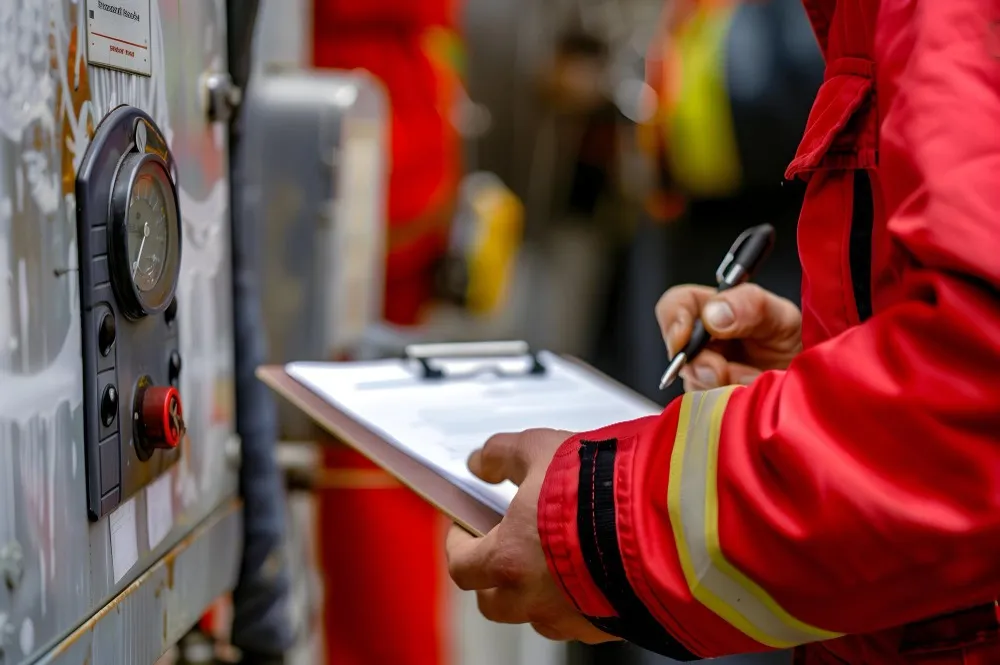
Fire safety equipment is only effective when it is properly planned, maintained, and suited to the risks within a building. Many organisations install fire protection systems but rarely assess whether those systems continue to meet changing operational needs. This is why fire audit services play an important role in identifying gaps before they become serious safety issues.
From office buildings and manufacturing facilities to hospitals, schools, warehouses, and shopping complexes, businesses across Delhi are using fire audits to improve compliance, strengthen emergency preparedness, and protect people as well as valuable assets.
What Is a Fire Audit?
A fire audit is a systematic assessment of a building's fire safety measures, emergency procedures, equipment, and overall level of preparedness.
The purpose is to identify:
- Potential fire hazards
- Deficiencies in fire protection systems
- Maintenance issues
- Non-compliance with applicable safety standards
- Opportunities to improve emergency response
Rather than focusing on one piece of equipment, a fire audit evaluates the entire fire safety framework.
Why Fire Audits Are Important
Buildings change over time. Equipment is added, layouts are modified, occupancy increases, and new processes are introduced.
Without regular assessments, fire protection systems may no longer provide adequate coverage.
A professional fire audit helps organisations:
- Improve employee safety
- Reduce fire risks
- Protect valuable assets
- Support regulatory compliance
- Strengthen business continuity planning
- Identify maintenance requirements before failures occur
What Does a Fire Audit Typically Cover?
The scope depends on the type of building, but most audits review several critical areas.
Fire Detection Systems
Inspectors verify whether smoke detectors, heat detectors, alarms, and control panels are correctly installed and functioning properly.
Fire Suppression Equipment
This includes sprinklers, hydrants, suppression systems, portable extinguishers, and specialised fire protection equipment.
Emergency Exits
Auditors check whether exits remain accessible, properly marked, and capable of supporting safe evacuation.
Electrical Safety
Electrical panels, wiring, generators, UPS systems, and backup power installations are reviewed for potential fire hazards.
Housekeeping Practices
Poor storage, blocked exits, combustible waste, and unsafe material handling can significantly increase fire risks.
Emergency Preparedness
Staff training, evacuation plans, emergency contact procedures, and fire drills are evaluated as part of the overall safety programme.
Signs Your Facility May Need a Fire Audit
A fire audit is especially valuable if:
- Your building has undergone renovation.
- New machinery has been installed.
- Occupancy has increased.
- Fire protection equipment has not been inspected recently.
- Business operations have expanded.
- Regulatory inspections are approaching.
- You are preparing for insurance assessments.
Regular audits help identify issues before they develop into costly problems.
Best Practices After a Fire Audit
Receiving an audit report is only the beginning.
Businesses should:
- Prioritise high-risk observations.
- Repair or replace defective equipment.
- Update emergency response procedures.
- Train employees on revised safety measures.
- Schedule periodic follow-up inspections.
- Maintain detailed maintenance records.
Implementing recommendations promptly improves long-term fire safety performance.
Frequently Asked Questions
How often should a fire audit be conducted?
The frequency depends on the type of building, industry regulations, and operational risks. High-risk facilities generally require more frequent assessments.
Can small businesses benefit from a fire audit?
Yes. Fire safety is important regardless of business size. Smaller facilities often discover practical improvements that enhance safety without major investment.
Does a fire audit replace equipment maintenance?
No. Audits evaluate the overall fire safety programme, while maintenance ensures individual systems continue operating correctly.
Who should participate during a fire audit?
Facility managers, maintenance teams, safety officers, and relevant operational staff often contribute valuable information during the assessment process.
Fire safety is an ongoing process rather than a one-time installation. Regular fire audit services help organisations identify risks, improve compliance, and strengthen emergency preparedness before an incident occurs. United Fire Equipment Pvt Ltd works with commercial, industrial, and institutional clients across Delhi to evaluate fire protection systems and recommend practical improvements that support safer workplaces and long-term operational resilience.
Keywords






