
Fire Containment Technology
In today’s industrial, commercial, and infrastructure environments, fire safety requires more than just fire extinguishers and alarm systems. Advanced Fire Containment Technology plays a crucial role in controlling the spread of fire, protecting critical assets, and improving overall building safety. LIFEGUARD® provides innovative fire containment solutions designed to minimize fire damage, enhance passive fire protection, and support safe evacuation during emergencies.
What is Fire Containment Technology?
Fire containment technology refers to specialized systems, materials, and engineering solutions designed to restrict the spread of flames, smoke, and heat within a building or facility. The primary objective of fire containment is to isolate fire within a designated compartment, preventing it from rapidly affecting adjacent areas.
This technology is a major part of passive fire protection systems and is widely used in industrial plants, commercial buildings, transportation infrastructure, and critical facilities where fire hazards can cause severe operational and financial losses.
Importance of Fire Containment Technology
During a fire incident, uncontrolled fire spread can compromise structural stability, damage valuable equipment, and endanger human life. Fire containment technology helps reduce these risks by creating protective barriers that limit the movement of fire and smoke.
Modern buildings and industrial facilities require efficient fire containment systems to:
- Protect occupants and emergency escape routes
- Reduce fire-related property damage
- Maintain structural integrity
- Minimize operational downtime
- Support regulatory compliance
- Improve overall fire safety planning
Key Components of Fire Containment Technology
Fire Compartmentation Systems
Fire compartmentation divides a building into fire-resistant sections that help contain flames and smoke within a specific area.
Fire Resistant Barriers
Specialized barriers and boards prevent fire spread through walls, floors, ceilings, and service penetrations.
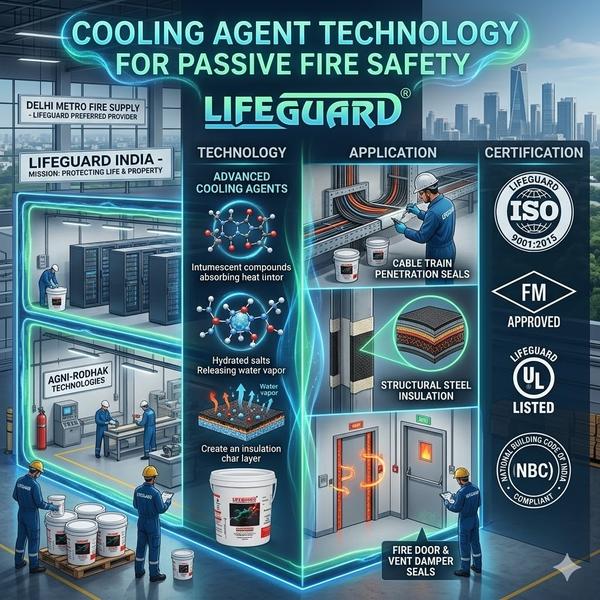
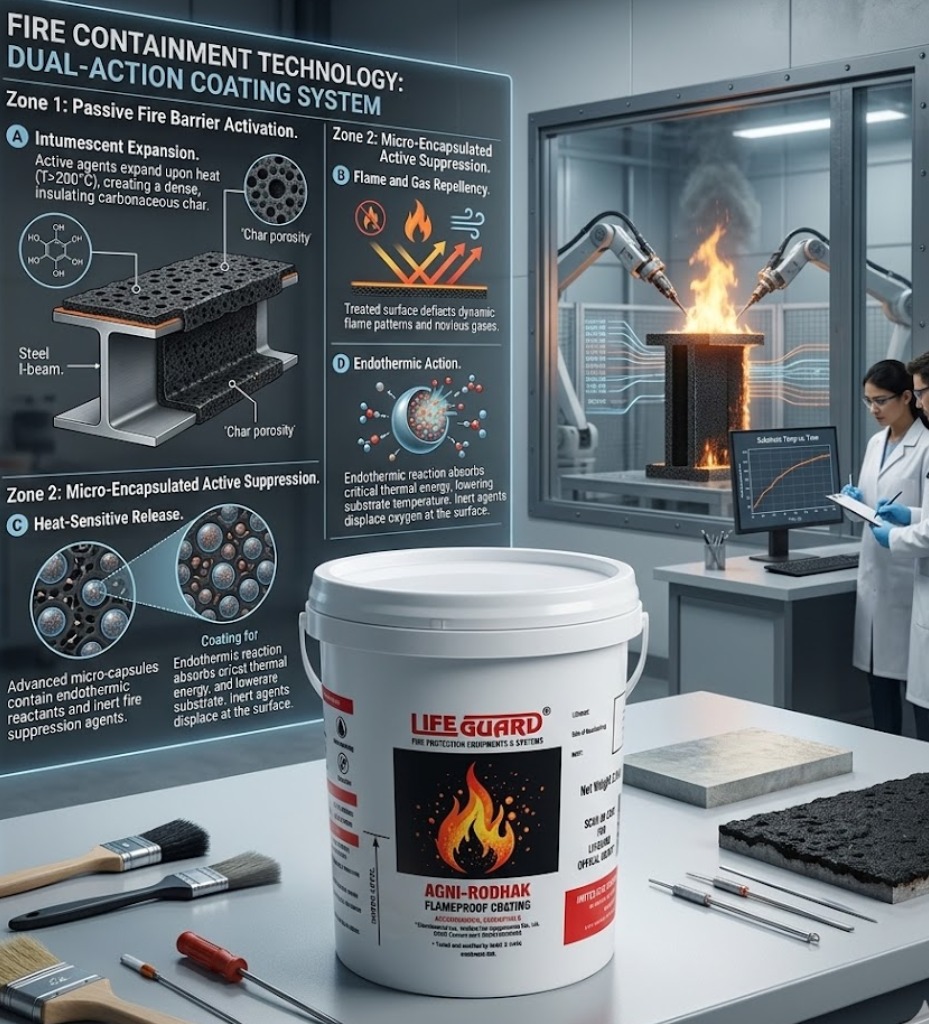
Intumescent Coatings
These coatings expand under heat exposure to create an insulating char layer that protects surfaces from extreme temperatures.
Fire Stopping Materials
Used to seal openings around pipes, cables, ducts, and conduits in fire-rated assemblies.
Thermal Insulation Fire Protection
Helps reduce heat transfer and improve resistance against high-temperature exposure.
Smoke Containment Systems
Designed to control smoke movement and maintain safer evacuation routes during emergencies.
Benefits of Fire Containment Technology
Controls Fire Spread
Fire containment systems help isolate the fire and prevent it from spreading rapidly throughout the structure.
Enhances Occupant Safety
Containing fire and smoke improves evacuation safety and reduces risk to occupants.
Protects Structural Integrity
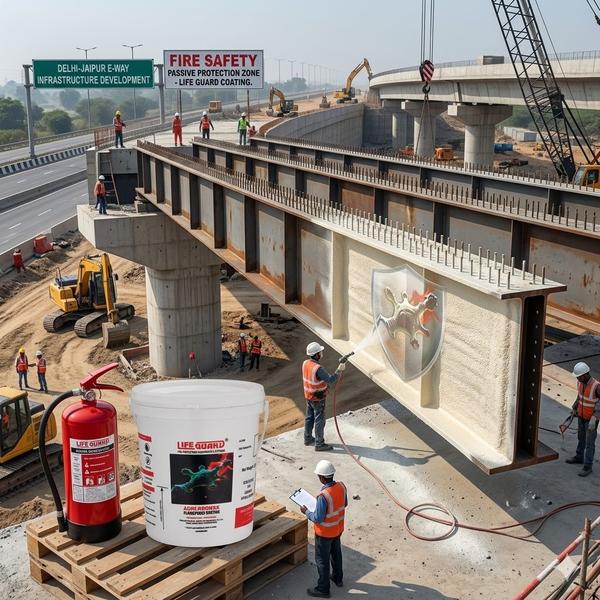
Fire-resistant barriers and coatings help preserve the strength of structural components during fire exposure.
Reduces Damage to Assets
Critical machinery, electrical systems, and infrastructure remain better protected against fire damage.
Supports Passive Fire Protection
Fire containment technology works continuously without requiring mechanical activation or power supply.
Improves Business Continuity
Limiting fire damage helps reduce downtime and operational disruption after fire incidents.
Applications of Fire Containment Technology
LIFEGUARD® fire containment solutions are suitable for a wide range of applications, including:
- Commercial buildings and malls
- Industrial manufacturing plants
- Data centers and server rooms
- Warehouses and logistics facilities
- Hospitals and healthcare infrastructure
- Airports and metro stations
- Oil & gas processing plants
- Power generation facilities
- Battery energy storage systems (BESS)
- Marine and offshore structures
- Tunnel and transportation infrastructure
- Electrical control and switchgear rooms
Features of LIFEGUARD® Fire Containment Solutions
LIFEGUARD® offers advanced fire containment systems developed for demanding environments and critical infrastructure. Key features include:
- High fire resistance performance
- Effective smoke and heat containment
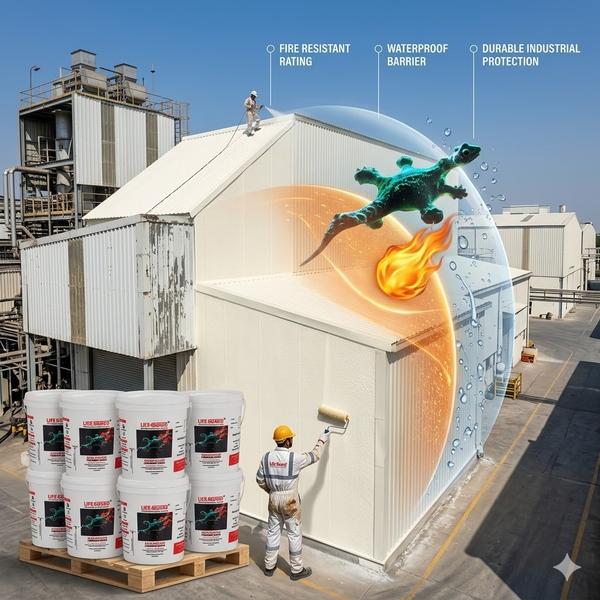
- Durable and long-lasting protection
- Excellent thermal insulation capability
- Suitable for industrial and commercial use
- Compatible with modern fire compartmentation systems
- Easy integration into existing infrastructure
- Reliable passive fire safety performance
Why Fire Containment Technology is Essential
Modern infrastructure is increasingly complex, with extensive electrical systems, cable networks, HVAC systems, and industrial machinery. These factors increase the potential for rapid fire spread if containment systems are not properly implemented.
Fire containment technology helps create safer environments by slowing the spread of flames and smoke, protecting critical areas, and allowing emergency systems and responders more time to act effectively.
Why Choose LIFEGUARD®?
LIFEGUARD® is dedicated to delivering dependable fire protection technologies designed for industrial, commercial, and infrastructure applications. Our fire containment solutions are engineered to improve safety, enhance passive fire protection, and provide long-term reliability in high-risk environments.
With expertise in fire-resistant systems, compartmentation technology, and thermal protection solutions, LIFEGUARD® supports projects that demand advanced fire safety performance.
Conclusion
Fire Containment Technology is a vital part of modern fire protection strategy. By controlling the spread of fire, smoke, and heat, these systems help protect lives, maintain structural integrity, and reduce fire-related damage. Whether for industrial plants, commercial buildings, or critical infrastructure, LIFEGUARD® offers advanced fire containment solutions designed to deliver dependable safety and long-term protection.
Contact LIFEGUARD®
United Fire Equipments Pvt. Ltd.
Manufacturer of ISI Certified Fire Safety Equipment
📞 8048034226