
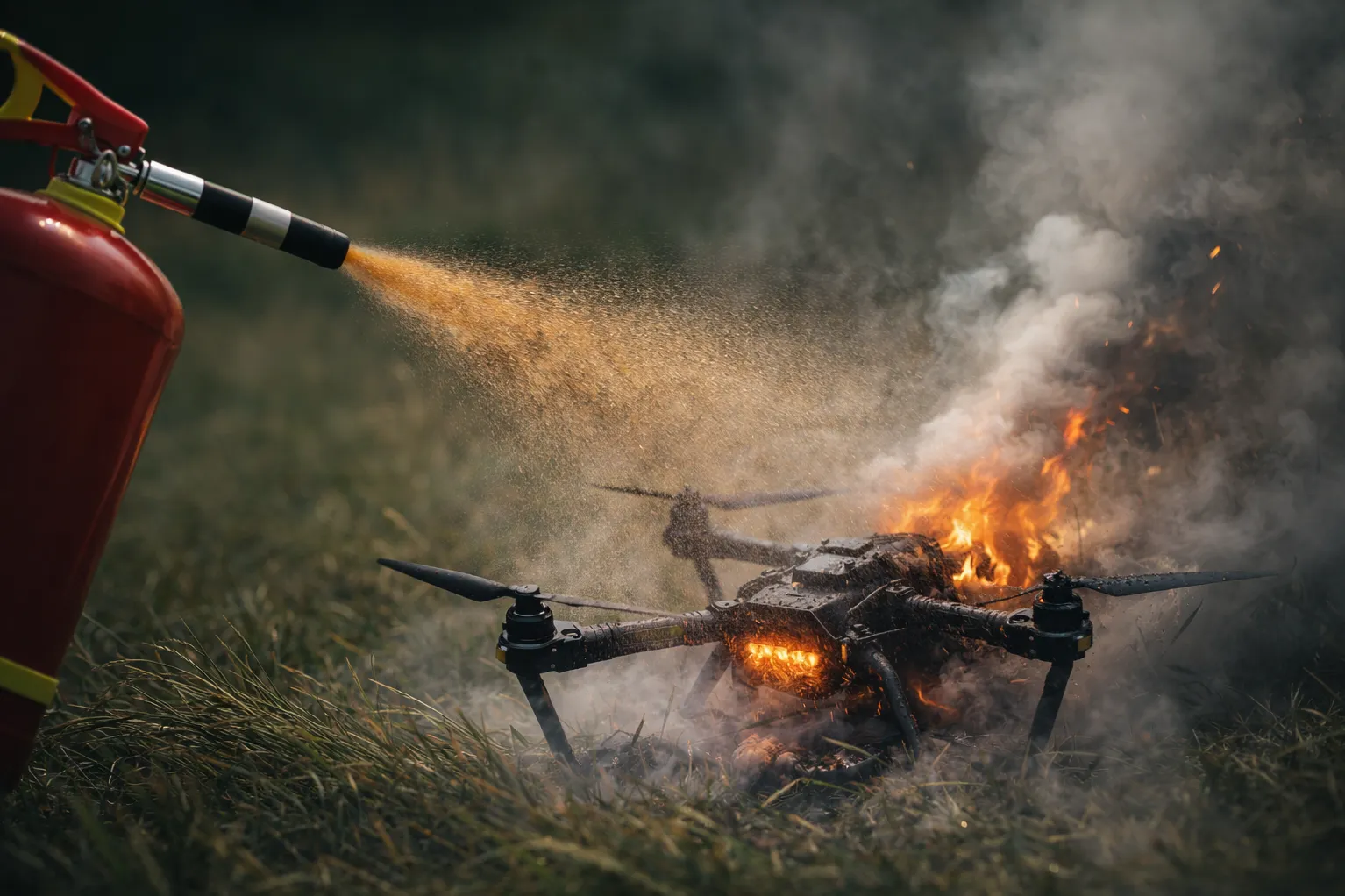
Fire Extinguishers: Essential Fire Protection Equipment for Modern Safety
Fire hazards exist in almost every environment—homes, offices, factories, warehouses, electric vehicle facilities, and energy storage systems. In such situations, Fire Extinguishers serve as the first line of defense, allowing immediate action before a fire escalates into a major disaster.
A fire extinguisher is a portable fire suppression device designed to control or extinguish fires during their early stages. These devices contain specialized extinguishing agents that interrupt the fire triangle—heat, fuel, and oxygen.
At United Fire Equipments Pvt. Ltd., the manufacturer of LIFEGUARD ISI Certified Fire Safety Equipment, we continuously innovate to address emerging fire risks, including lithium-ion battery fires, which require specialized extinguishing technology.
Why Fire Extinguishers Are Critical for Fire Safety
Fire extinguishers are among the most important components of any fire protection system.
Immediate Response to Fire
In the early stages of a fire, seconds matter. Fire extinguishers allow individuals to take immediate action, preventing fire from spreading.
Protection of Life and Property
Early suppression significantly reduces:
- Property damage
- Injury risk
- Operational downtime
- Financial loss
Compliance With Safety Standards
Fire extinguishers must comply with recognized safety standards such as:
- Bureau of Indian Standards
- International Organization for Standardization
- National Fire Protection Association
These standards define performance, testing, and installation requirements.
Classification of Fire Extinguishers
Different fires require different extinguishing agents. Fire extinguishers are categorized based on the type of fuel involved in the fire.
Common fire classes include:
- Class A – Solid combustible materials
- Class B – Flammable liquids
- Class C – Flammable gases
- Class D – Combustible metals
- Class F/K – Cooking oils and fats
- Class L – Lithium-ion battery fires (emerging classification)
Water Fire Extinguishers
4
Water fire extinguishers are primarily used for Class A fires involving ordinary combustible materials such as:
- Wood
- Paper
- Textiles
- Plastics
Water cools the burning material and lowers the temperature below its ignition point.
Applications
- Schools
- Offices
- Residential buildings
- Warehouses
However, water extinguishers must never be used on electrical or flammable liquid fires.
Dry Chemical Powder (DCP) Fire Extinguishers


Dry Chemical Powder extinguishers are among the most versatile fire extinguishers.
They are effective for:
- Class A – Solid combustibles
- Class B – Flammable liquids
- Class C – Gas fires
- Electrical fires
The powder interrupts the chemical chain reaction of combustion.
Applications
- Industrial plants
- Electrical substations
- Fuel stations
- Manufacturing facilities
Carbon Dioxide (CO₂) Fire Extinguishers

4
Carbon dioxide fire extinguishers are designed for electrical fires and flammable liquids.
CO₂ works by:
- Displacing oxygen around the fire
- Cooling the burning material
Applications
- Electrical control panels
- Data centers
- Server rooms
- Laboratories
These extinguishers leave no residue, making them ideal for sensitive equipment.
Foam Fire Extinguishers


4
Foam extinguishers are effective for flammable liquid fires.
They work by forming a foam blanket over the fuel surface, preventing oxygen supply and vapor release.
Applications
- Fuel storage areas
- Chemical industries
- Airports
- Oil and gas facilities
The Emerging Challenge: Lithium-Ion Battery Fires
With the rapid growth of electric vehicles (EVs), lithium battery manufacturing, energy storage systems (ESS), consumer electronics, and battery warehouses, a new category of fire risk has emerged: Lithium-Ion Battery Fires.
Lithium battery fires are significantly different from conventional fires due to a phenomenon known as thermal runaway, a process where overheating in one battery cell triggers a chain reaction across adjacent cells.
Key characteristics of lithium battery fires include:
- Extremely high temperatures
- Rapid fire propagation
- Toxic gas release
- Risk of re-ignition
- Difficulty in extinguishment using conventional agents
Traditional fire extinguishers often fail to prevent thermal runaway propagation, which is why specialized extinguishing agents are required.
Class L Fire Extinguishers for Lithium-Ion Battery Fires
To address lithium battery fire risks, a new classification known as Class L fires has emerged, specifically for lithium-ion battery fires.
Advanced fire extinguishing technology is required to:
- Rapidly absorb heat
- Suppress flames
- Prevent propagation between battery cells
- Stop thermal runaway
One of the most advanced extinguishing agents developed for this purpose is Hydrated Mica Suspension (HMS).
HMS-Based LiON-Ex Fire Extinguishers for Lithium Battery Fires


4
HMS (Hydrated Mica Suspension) is a specialized fire extinguishing agent designed to address the unique challenges of lithium-ion battery fires.
LIFEGUARD LiON-Ex Fire Extinguishers, developed by United Fire Equipments Pvt. Ltd., use HMS technology to effectively manage Class L lithium battery fires.
How HMS Works
Hydrated Mica Suspension functions through multiple mechanisms:
1. Rapid Heat Absorption
HMS absorbs large amounts of heat, reducing the temperature of the battery cells and slowing thermal runaway.
2. Thermal Barrier Formation
The mica particles form a protective insulating layer, preventing heat transfer between adjacent cells.
3. Oxygen Isolation
The suspension creates a barrier that limits oxygen supply to the burning materials.
4. Prevention of Thermal Propagation
By cooling and insulating the affected battery cells, HMS helps prevent chain reactions within battery packs.
Applications of LiON-Ex Lithium Battery Fire Extinguishers
HMS-based LiON-Ex fire extinguishers are specifically designed for environments with lithium battery risks, including:
- Electric vehicle charging stations
- EV manufacturing facilities
- Lithium battery manufacturing plants
- Battery energy storage systems (BESS)
- Electronics manufacturing units
- Battery warehouses and logistics hubs
- Data centers and telecom infrastructure
As lithium battery usage continues to grow globally, Class L lithium battery fire extinguishers are becoming an essential component of modern fire safety systems.
Proper Use of Fire Extinguishers: PASS Technique
All fire extinguishers should be used following the PASS method:
P – Pull the safety pin
A – Aim the nozzle at the base of the fire
S – Squeeze the handle
S – Sweep the nozzle side to side
Training personnel in proper extinguisher use significantly improves fire response effectiveness.
Inspection and Maintenance of Fire Extinguishers
Fire extinguishers must be regularly maintained to ensure reliability.
Recommended practices include:
- Monthly inspection checks
- Annual professional servicing
- Pressure gauge monitoring
- Immediate refilling after use
- Clear visibility and accessibility
Neglecting maintenance can result in equipment failure during emergencies.
LIFEGUARD Fire Extinguishers – Protecting Lives and Infrastructure
United Fire Equipments Pvt. Ltd. is dedicated to delivering high-quality, innovative fire protection solutions, including:
- Water fire extinguishers
- Foam fire extinguishers
- CO₂ fire extinguishers
- Dry powder fire extinguishers
- Advanced LiON-Ex HMS fire extinguishers for lithium battery fires
As industries evolve and new fire risks emerge, advanced fire suppression technologies like HMS are becoming essential to modern fire safety strategies.
📞 United Fire Equipments Pvt. Ltd.
Manufacturer of LIFEGUARD ISI Certified Fire Safety Equipment
📞 8048034226
📧 ufe126@gmail.com | info@lifeguardindia.in
🌐 www.lifeguardindia.in
Keywords






