
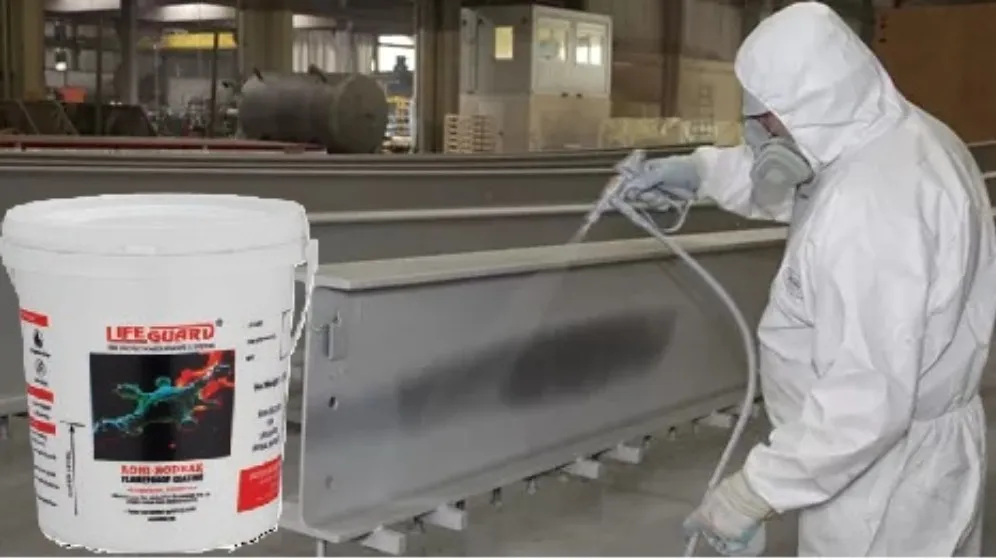
Fire Resistant Protective Layer
Modern infrastructure and industrial systems require advanced fire safety solutions capable of protecting buildings, equipment, and critical assets from extreme heat and fire exposure. As commercial buildings, industrial plants, Battery Energy Storage Systems (BESS), power facilities, and data centres continue to expand across India, the importance of reliable passive fire protection has increased significantly.
A fire resistant protective layer is an advanced passive fire protection solution designed to reduce flame spread, resist high temperatures, protect structural systems, and improve overall fire safety performance. These protective systems form a thermal barrier that helps delay structural damage and supports safer evacuation during fire emergencies.
Fire resistant protective layers are widely used in industrial, commercial, electrical, and infrastructure applications where high-performance fire protection is essential.
What is a Fire Resistant Protective Layer?
A fire resistant protective layer is a specially engineered coating, insulation system, or barrier material applied over a surface or structure to:
- Resist fire exposure
- Reduce heat transfer
- Delay ignition
- Protect structural integrity
- Improve fire endurance
- Enhance thermal insulation
These protective layers help maintain the strength and stability of materials during fire incidents by slowing the impact of heat and flames.
They are commonly applied on:
- Structural steel
- Walls and ceilings
- Cable trays
- Electrical panels
- Industrial equipment
- Battery enclosures
- Transformer areas
- Commercial infrastructure
Importance of Fire Resistant Protective Layers
Fire incidents can spread rapidly through untreated structures and industrial systems, leading to:
- Structural collapse
- Equipment failure
- Operational downtime
- Property damage
- Safety hazards
- Thermal runaway incidents
Fire resistant protective layers help reduce these risks by improving the fire resistance of critical infrastructure and delaying the spread of heat and flames.
These systems are especially important in:
- High-rise buildings
- Industrial plants
- Warehouses
- Power stations
- Battery Energy Storage Systems
- Data centres
- Oil & gas facilities
- Electrical infrastructure
How Fire Resistant Protective Layers Work
Fire resistant protective layers work by forming a thermal barrier between fire and the underlying structure.
During fire exposure, these systems may:
- Reflect heat
- Absorb thermal energy
- Reduce oxygen interaction
- Expand into insulating char layers
- Slow heat transfer
Advanced intumescent protective systems expand under high temperatures to create a thick insulating layer that protects the substrate from direct flame exposure.
This protection helps:
- Delay structural weakening
- Improve fire endurance
- Reduce fire propagation
- Support emergency response operations
Key Features of Fire Resistant Protective Layers
High Fire Resistance
Designed to withstand elevated temperatures and resist flame spread.
Thermal Insulation Capability
Reduces heat transfer and improves temperature control during fire exposure.
Structural Protection
Helps maintain the integrity of steel and concrete structures during fire emergencies.
Intumescent Technology
Certain coatings expand under heat to form a protective insulating char layer.
Corrosion & Moisture Resistance
Protects infrastructure from environmental damage and humidity.
Long-Term Durability
Industrial-grade systems provide reliable long-term performance.
Low Smoke Emission
Helps improve visibility and evacuation safety during fire incidents.
Weather & Chemical Resistance
Suitable for demanding industrial and outdoor environments.
Applications of Fire Resistant Protective Layers
Structural Steel Fireproofing
Structural steel loses strength rapidly during fire exposure. Fire resistant protective layers help improve load-bearing stability and fire endurance.
Cable Tray Fire Protection
Electrical cable systems can rapidly spread fire. Protective layers help contain flame propagation and improve cable safety.
Battery Energy Storage Systems (BESS)
BESS facilities require thermal runaway-resistant protective systems to manage high-temperature battery incidents.
Commercial Buildings
Used in:
- Office towers
- Shopping malls
- Hotels
- Hospitals
- Educational institutions
- High-rise developments
Industrial Facilities
Manufacturing plants and processing facilities require advanced passive fire protection for machinery, structures, and operational zones.
Power Plants & Electrical Infrastructure
Protects:
- Transformers
- Electrical rooms
- Switchgear systems
- Control panels
- Substations
Warehouses & Logistics Centres
Large storage facilities benefit from improved fire containment and structural protection systems.
Benefits of Fire Resistant Protective Layers
Enhanced Fire Safety
Helps slow fire spread and improve emergency response effectiveness.
Improved Structural Integrity
Protects buildings and industrial systems from heat-induced weakening.
Reduced Fire Damage
Minimizes infrastructure damage and asset loss during fire incidents.
Long-Term Asset Protection
Protects high-value equipment and structural systems.
Improved Operational Continuity
Reduces downtime caused by fire-related disruptions.
Reduced Maintenance Costs
Durable systems minimize repair and replacement expenses.
Compliance with Safety Standards
Supports compliance with:
- NBC Part 4 Fire & Life Safety
- Industrial fire safety standards
- Commercial building regulations
- Infrastructure safety requirements
Role of Passive Fire Protection
Fire resistant protective layers are a critical part of passive fire protection systems.
Passive fire protection systems:
- Operate continuously
- Require no manual activation
- Improve fire containment
- Protect structural systems
- Support evacuation safety
- Enhance overall infrastructure resilience
Unlike active systems such as sprinklers or alarms, passive systems provide permanent built-in protection.
Advanced Fire Resistant Protection Technologies
Modern fire resistant protective systems may include:
- Intumescent coatings
- Thermal barrier systems
- Ceramic fireproof materials
- Fire retardant waterproof coatings
- High-temperature insulation compounds
- Hybrid thermal-fire protection technologies
These advanced technologies improve safety performance across industrial and commercial infrastructure.
Why Industries are Adopting Fire Resistant Protective Layers
Industries across India are increasingly investing in advanced fire protection systems because of:
- Growing infrastructure development
- Increased electrical fire risks
- Expansion of battery storage systems
- Rising fire safety awareness
- Regulatory compliance requirements
- Need for long-term asset protection
High-performance fire resistant protective layers help organizations improve safety while enhancing operational reliability.
LIFEGUARD® Fire Resistant Protective Solutions
LIFEGUARD® provides advanced fire resistant protective layer solutions for industrial, commercial, and infrastructure projects across India.
Our expertise includes:
- Fire retardant coatings
- Structural steel fireproofing
- Thermal runaway protection systems
- Cable tray fire protection
- Fire compartmentation solutions
- Waterproof passive fire protection
- Thermal barrier technologies
- Industrial fireproof insulation systems
We support:
- Commercial buildings
- Industrial facilities
- Battery Energy Storage Systems (BESS)
- Power plants
- Data centres
- Warehouses
- Renewable energy projects
- Infrastructure developments
Conclusion
Fire resistant protective layers are an essential component of modern passive fire protection systems. By reducing heat transfer, improving structural resistance, and slowing fire spread, these advanced systems help protect lives, infrastructure, and industrial operations.
As India continues to modernize its infrastructure and industrial ecosystem, investing in high-performance fire resistant protective layers is critical for ensuring long-term safety, operational continuity, and structural resilience.
Contact LIFEGUARD®
United Fire Equipments Pvt. Ltd.
Manufacturer of ISI Certified Fire Safety Equipment
📞 8048034226
📧 ufe126@gmail.com | info@lifeguardindia.in
Keywords






