
Fire hazards vary from one facility to another. A warehouse storing paper products faces different risks than an electrical control room or a chemical processing plant. Because of these differences, businesses increasingly rely on fixed fire suppression systems that are permanently installed and designed to respond automatically when a fire is detected.
Across Delhi, industrial facilities, commercial buildings, healthcare centres, and infrastructure projects are investing in fixed suppression systems to strengthen workplace safety and reduce operational risks. Understanding where these systems are most effective can help businesses choose the right level of protection.
What Is a Fixed Fire Suppression System?
A fixed fire suppression system is a permanently installed fire protection solution that detects and suppresses fires without requiring manual operation.
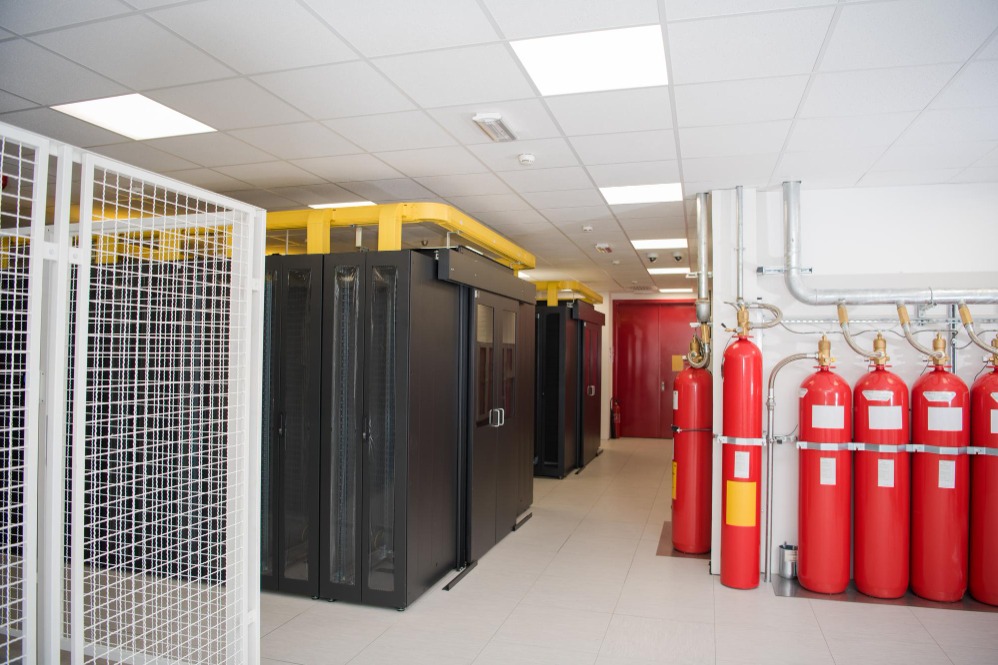
Unlike portable fire extinguishers, these systems remain connected to a network of detectors, control panels, piping, and suppression agents. Once a fire is identified, the system activates automatically or through manual release controls, depending on its design.
The purpose is to contain or extinguish the fire before it spreads, reducing damage to people, equipment, and property.
How Does It Work?
Although system designs vary, the operating sequence is generally straightforward.
- Sensors continuously monitor the protected area.
- Smoke, heat, or flame is detected.
- The fire alarm control panel verifies the signal.
- Alarms notify occupants.
- The suppression agent is discharged into the affected area.
The response typically occurs within seconds, which is often critical in preventing a minor incident from becoming a major emergency.
Where Fixed Fire Suppression Systems Are Used
These systems are suitable for a wide range of industries and commercial environments.
Manufacturing Facilities
Factories often contain combustible materials, production equipment, and electrical machinery that operate continuously. Fixed systems help minimise production losses by responding quickly to fire incidents.
Warehouses
Large storage areas can allow fires to spread rapidly if left unchecked. A permanently installed suppression system provides around-the-clock protection, even outside working hours.
Data Centres
Servers, networking equipment, and backup systems require specialised protection. Water may not always be suitable, making clean-agent suppression systems a preferred choice for these environments.
Hospitals
Hospitals must protect patients, medical equipment, and critical infrastructure without disrupting essential services. Fixed systems provide continuous protection while supporting emergency preparedness.
Commercial Buildings
Office complexes, shopping centres, hotels, and mixed-use developments benefit from integrated fire protection that safeguards both occupants and valuable assets.
Electrical Control Rooms
Electrical panels and switchgear rooms require suppression systems that can control fires without causing unnecessary damage to sensitive electrical equipment.
Different Types of Fixed Fire Suppression Systems
No single suppression technology suits every application. Selection depends on the fire risk and the protected assets.
Common options include:
- Water sprinkler systems
- Foam suppression systems
- Clean agent systems
- Wet chemical suppression systems
- Gas-based suppression systems
- Water mist systems
Each technology is designed for specific fire classes and operational environments.
Key Benefits for Businesses
Installing a fixed suppression system offers advantages beyond meeting fire safety requirements.
Continuous Protection
The system operates 24 hours a day without relying on human intervention.
Faster Response
Automatic activation significantly reduces the time between fire detection and suppression.
Reduced Property Damage
Containing fires early helps protect machinery, inventory, infrastructure, and important records.
Improved Workplace Safety
Employees, visitors, and occupants benefit from enhanced protection during emergency situations.
Lower Business Downtime
Quick fire suppression often allows businesses to resume operations sooner after an incident.
Better Risk Management
Many organisations include fixed suppression systems as part of their overall business continuity and disaster recovery plans.
Factors to Consider Before Installation
Choosing the right system requires more than selecting a suppression agent.
Important considerations include:
- Building layout
- Occupancy type
- Nature of stored materials
- Electrical infrastructure
- Ventilation systems
- Fire load assessment
- Regulatory compliance
- Future expansion plans
A professional fire risk assessment helps identify the most suitable solution for each facility.
The Importance of Routine Maintenance
Even a well-designed system requires regular inspection and servicing.
Maintenance should include:
- Detector testing
- Control panel inspection
- Pipework examination
- Nozzle cleaning
- Suppression agent level checks
- Functional testing
- Battery and power supply verification
Routine maintenance ensures the system remains reliable throughout its service life.
Frequently Asked Questions
Are fixed fire suppression systems only for large industries?
No. Commercial offices, educational institutions, healthcare facilities, hotels, and medium-sized businesses can also benefit from permanent fire protection systems.
Can older buildings install these systems?
Yes. Many existing buildings in Delhi can be retrofitted with fixed suppression systems after a technical evaluation.
Do these systems replace portable fire extinguishers?
No. Portable extinguishers remain an important part of fire safety. Fixed systems provide automatic protection, while extinguishers support manual firefighting during the early stages of a fire.
How often should a system be serviced?
Inspection schedules depend on the type of system and applicable fire safety regulations, but regular professional maintenance is essential for reliable performance.
Modern businesses cannot rely solely on manual firefighting methods. Fixed fire suppression systems provide continuous, automated protection that helps reduce risk, protect valuable assets, and support safer workplaces. Companies such as United Fire Equipment Pvt Ltd assist organisations across Delhi with designing and implementing fire protection systems tailored to different industries and operational requirements.