
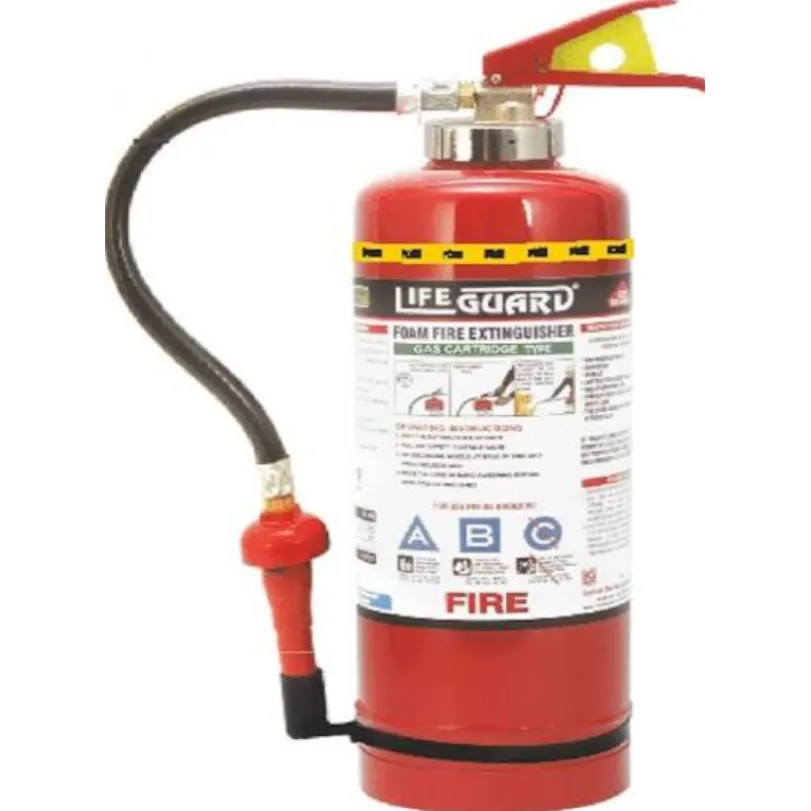
Some fire hazards cannot be managed effectively through general-purpose protection alone. Facilities handling flammable liquids, fuels, hydrocarbons, plus similar materials may require specialised fire control strategies. A Foam Fire Suppression System is designed for applications where a foam blanket can help separate fuel from oxygen, suppress vapours, plus reduce the chance of continued flame development.
Understanding where foam protection fits is important before specifying equipment.
How Foam Suppression Works
Fire requires several conditions to continue, including fuel, heat, plus oxygen.
Foam suppression creates a layer over the surface of certain burning liquids. This blanket helps limit oxygen contact, suppress flammable vapour release, plus support fire control.
Depending upon the system, foam concentrate is mixed with water at a designed proportion before discharge through suitable equipment.
System performance depends upon correct concentrate selection, proportioning, discharge arrangement, application rate, plus hazard coverage.
Where Foam Systems Are Commonly Considered
Foam-based fire protection is associated mainly with hazards involving flammable liquids.
Typical applications can include
- Fuel storage facilities
- Tank farms
- Aircraft hangars
- Chemical plants
- Petrochemical operations
- Industrial processing areas
- Loading terminals
- Fuel handling zones
- Certain warehouses
- Generator fuel areas
The suitability of foam depends upon the specific fuel plus facility conditions.
A proper hazard study is therefore necessary before selecting the system.
Foam Selection Requires Technical Understanding
Different foam concentrates have different characteristics.
The correct choice depends upon factors such as fuel type, storage arrangement, operating temperature, environmental considerations, discharge equipment, plus system design.
Using an unsuitable concentrate can compromise system performance.
Facility owners should also consider compatibility between foam concentrate, storage tanks, proportioning devices, pipework, discharge equipment, plus existing system components.
System Design Goes Beyond Foam Concentrate
A suppression installation includes much more than the extinguishing medium.
Depending upon the application, components may include
- Foam concentrate storage
- Water supply
- Proportioning equipment
- Pumps
- Valves
- Pipe networks
- Foam chambers
- Monitors
- Sprinkler-type discharge devices
- Detection
- Control equipment
Each component needs to work as part of a coordinated system.
Hydraulic performance is particularly important. Insufficient flow, inadequate pressure, incorrect proportioning, plus poorly positioned discharge equipment can reduce effectiveness.
Maintenance Is Critical
Foam systems can remain inactive for long periods, yet they must operate correctly during an emergency.
Inspection programmes should check concentrate condition, storage arrangements, valves, pumps, proportioning equipment, piping, discharge points, plus control functions.
Any modification to the protected facility should trigger a review.
For example, changes in fuel type, tank dimensions, storage quantity, process layout, plus building configuration can alter the hazard.
Environmental Considerations Matter
Fire protection technology continues to evolve, including the development of foam products designed to address environmental concerns associated with certain legacy formulations.
Facility managers reviewing an existing installation should identify the type of concentrate currently stored, applicable requirements, compatibility considerations, plus potential transition needs.
A technical review can help prevent unsuitable substitutions.
Delhi Industrial Facilities Need Hazard-Specific Planning
Industrial locations across Delhi plus nearby NCR zones may include fuel handling areas, manufacturing units, warehouses, logistics facilities, commercial infrastructure, plus process plants.
Fire protection should reflect the material actually present.
United Fire Equipment Pvt Ltd works with fire protection applications where system configuration depends upon facility risk, operational conditions, plus relevant safety requirements.
A Foam Fire Suppression System can be highly valuable for suitable flammable-liquid hazards, yet its effectiveness depends upon correct engineering. Hazard assessment, concentrate selection, hydraulic design, equipment compatibility, inspection, plus maintenance all deserve careful attention.
The goal is not simply to install foam equipment. The goal is to create a suppression arrangement capable of delivering the required foam solution to the right location at the required performance level when a fire develops.
Keywords






