
Hazardous Area Fire Protection
Advanced Industrial Fire Safety Solutions by LIFEGUARD® United Fire Equipments Pvt. Ltd.
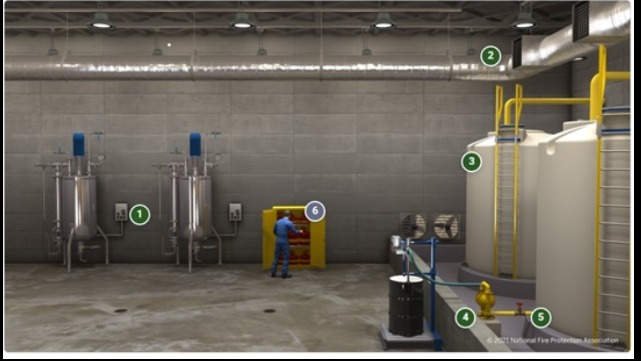
Hazardous industrial environments involve the handling of flammable liquids, combustible gases, explosive vapors, reactive chemicals, and high-temperature processes that significantly increase the risk of fire and explosion incidents. Industries such as oil & gas, petrochemical, chemical processing, pharmaceutical manufacturing, power generation, and industrial storage require specialized fire protection systems capable of operating reliably under extreme conditions.
At LIFEGUARD® United Fire Equipments Pvt. Ltd., we provide advanced Hazardous Area Fire Protection solutions designed to safeguard industrial operations, critical infrastructure, personnel, and high-risk process environments from fire-related hazards.
Our integrated fire safety systems combine active fire suppression, passive fire protection, fire detection technologies, gas monitoring systems, and fire containment solutions to deliver maximum industrial safety, operational reliability, and compliance with fire safety regulations.
What is Hazardous Area Fire Protection?
Hazardous Area Fire Protection refers to specialized fire safety systems and engineered protection solutions developed for environments where flammable gases, vapors, combustible dust, or explosive substances are present.
These systems are specifically designed to:
- Detect fire and gas hazards at an early stage
- Prevent ignition and explosion risks
- Suppress fires rapidly
- Protect critical process equipment
- Prevent fire escalation
- Ensure personnel safety
- Support emergency response and evacuation
Hazardous area fire protection is essential in environments where even a minor spark or ignition source can lead to catastrophic industrial incidents.
Importance of Hazardous Area Fire Protection
Hazardous industrial zones involve continuous exposure to combustible materials and explosive atmospheres. Without proper fire protection systems, industrial fires can rapidly escalate into large-scale disasters causing operational shutdowns, environmental damage, and severe safety risks.
Key Benefits of Hazardous Area Fire Protection:
- Early fire and gas leak detection
- Prevention of explosions and flash fires
- Rapid fire suppression
- Protection of industrial assets
- Enhanced worker safety
- Reduced operational downtime
- Compliance with industrial fire safety standards
Common Fire Hazards in Hazardous Areas
Flammable Liquids & Gases
Petroleum products, solvents, LPG, LNG, hydrogen, and industrial chemicals increase fire and explosion risks.
Combustible Dust
Dust particles generated during industrial processes can create explosive environments.
Electrical Ignition Sources
Motors, control panels, switches, and faulty wiring may ignite hazardous atmospheres.
High-Temperature Equipment
Industrial machinery and heat-generating processes increase ignition potential.
Static Electricity & Mechanical Sparks
Electrostatic discharge and equipment friction can trigger fire incidents.
Components of Hazardous Area Fire Protection Systems
1. Fire Detection & Gas Detection Systems
Early detection is essential in hazardous industrial environments.
Systems Include:
- Flame detectors
- Smoke detectors
- Heat detectors
- Gas leak detection systems
- Fire alarm control panels
- Emergency warning systems
Benefits:
- Rapid hazard identification
- Immediate emergency alerts
- Faster response time
2. Foam Fire Suppression Systems
Foam suppression systems are highly effective for flammable liquid and hydrocarbon fires.
Applications:
- Fuel storage tanks
- Chemical processing units
- Loading bays
- Hazardous material storage
Advantages:
- Rapid flame suppression
- Vapor control
- Reduced re-ignition risk
3. Water Spray & Deluge Systems
Water spray systems provide cooling and fire control for industrial equipment and hazardous processing areas.
Common Uses:
- Tank cooling
- Transformer protection
- Process equipment safety
- Pipeline fire protection
4. Fire Hydrant Systems
Industrial fire hydrant systems provide large-scale firefighting support during emergencies.
Features:
- High-capacity water supply
- Wide industrial coverage
- Reliable emergency firefighting access
5. Passive Fire Protection Systems
Passive fire protection systems help contain fire and protect critical structures from extreme heat exposure.
Includes:
- Fire compartmentation systems
- Fire barrier walls
- Fire stop sealants
- Intumescent coatings
- Fire-resistant cladding systems
Benefits:
- Restricts fire spread
- Protects structural integrity
- Enhances evacuation safety
6. Explosion Protection Systems
Explosion protection systems reduce blast impact and improve industrial safety during ignition events.
Systems Include:
- Explosion venting systems
- Blast-resistant barriers
- Pressure relief systems
- Explosion suppression systems
7. Smoke Management & Ventilation Systems
Smoke management systems improve visibility and reduce toxic smoke accumulation during emergencies.
Systems Include:
- Smoke extraction systems
- Ventilation systems
- Pressurization systems
- Smoke barriers
Applications of Hazardous Area Fire Protection Systems
Oil & Gas Facilities
Protects refineries, pipelines, LNG terminals, and fuel storage systems.
Chemical Manufacturing Plants
Enhances fire safety for hazardous processing and chemical storage operations.
Petrochemical Industries
Provides protection against hydrocarbon fire and explosion risks.
Pharmaceutical Manufacturing Units
Protects solvent handling and chemical production environments.
Power Plants & Energy Facilities
Secures turbines, transformers, fuel handling systems, and control rooms.
Industrial Warehouses & Storage Terminals
Improves safety for hazardous material storage and logistics operations.
Key Features of LIFEGUARD® Hazardous Area Fire Protection Solutions
Advanced Hazard Detection
High-performance fire and gas detection systems designed for hazardous industrial environments.
Rapid Fire Suppression
Efficient suppression systems for flammable liquid, chemical, and hydrocarbon fires.
Integrated Passive Fire Protection
Fire compartmentation and barrier systems to prevent fire escalation.
Customized Fire Protection Engineering
Solutions tailored according to hazardous area classification and operational risks.
NBC & Industrial Fire Safety Compliance
Supports compliance with fire safety regulations and industrial safety standards.
Advantages of Hazardous Area Fire Protection Systems
Protection of Critical Infrastructure
Minimizes damage to industrial equipment, processing systems, and storage facilities.
Enhanced Personnel Safety
Improves emergency response and evacuation safety in hazardous environments.
Reduced Operational Downtime
Helps maintain industrial productivity and business continuity.
Explosion Risk Reduction
Controls ignition sources and limits the impact of fire incidents.
Long-Term Asset Protection
Improves operational reliability and industrial safety performance.
Passive Fire Protection in Hazardous Areas
Passive fire protection plays a vital role in hazardous industrial environments where high heat exposure and explosion risks are common.
Passive Fire Protection Solutions Include:
- Fire-resistant insulation systems
- Intumescent coatings
- Fireproof cladding systems
- Fire-rated partitions
- Fire compartmentation systems
These systems help:
- Delay structural failure
- Protect process equipment
- Maintain evacuation routes
- Prevent fire escalation
Why Choose LIFEGUARD® United Fire Equipments Pvt. Ltd.?
LIFEGUARD® is a trusted provider of advanced industrial fire safety and passive fire protection solutions across India. We specialize in delivering reliable Hazardous Area Fire Protection systems for high-risk industrial applications.
Our Expertise Includes:
- Industrial fire protection systems
- Fire detection & suppression systems
- Passive fire protection solutions
- Fire compartmentation systems
- NBC-compliant fire safety concepts
- Customized industrial fire safety engineering
Why Customers Trust LIFEGUARD®:
- Industry expertise
- High-quality fire protection products
- Customized project solutions
- Technical consultation and support
- Reliable after-sales service
- Competitive pricing
Modern Hazardous Industries Require Advanced Fire Protection
As industrial operations become more complex, hazardous environments require highly reliable and integrated fire protection systems capable of handling extreme operational risks.
Effective Hazardous Area Fire Protection requires:
- Early fire and gas detection
- Rapid suppression systems
- Passive fire containment
- Explosion protection
- Emergency response integration
By implementing advanced fire protection solutions from LIFEGUARD® United Fire Equipments Pvt. Ltd., organizations can significantly improve industrial safety while protecting personnel, infrastructure, and operations from fire-related hazards.
Conclusion
Hazardous Area Fire Protection is essential for ensuring industrial safety, operational continuity, and regulatory compliance in high-risk environments. Advanced fire protection systems help detect hazards early, suppress fires rapidly, prevent explosions, and protect critical industrial infrastructure.
LIFEGUARD® United Fire Equipments Pvt. Ltd. offers advanced, reliable, and industry-compliant Hazardous Area Fire Protection solutions tailored for oil & gas facilities, chemical plants, petrochemical industries, power plants, and hazardous industrial environments.
Choose LIFEGUARD® for trusted industrial fire safety systems that safeguard your workforce, operations, and critical infrastructure against fire and explosion risks.
Contact LIFEGUARD®
LIFEGUARD® United Fire Equipments Pvt. Ltd.
📞 8048034226
📧 info@lifeguardindia.in
📧 ufe126@gmail.com