
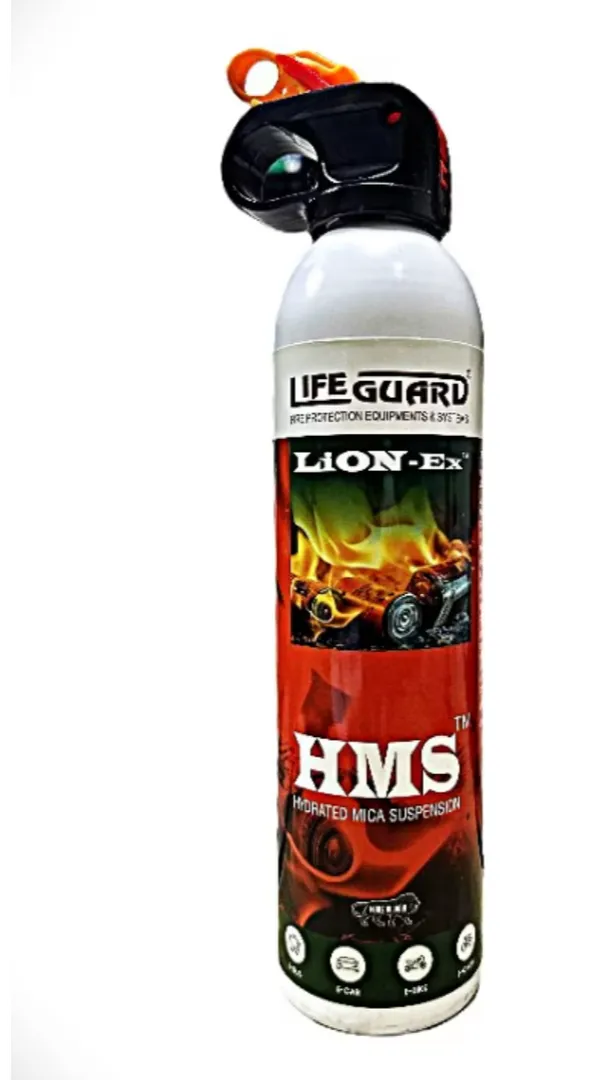
A fire extinguisher is often the first piece of equipment available when a small workplace fire begins. Its usefulness, however, depends heavily on selecting equipment suited to the actual hazard, positioning it correctly, maintaining it properly, plus ensuring trained personnel understand its limitations.
An HMS Fire Extinguisher can form part of a broader workplace fire protection plan for commercial, industrial, institutional, plus infrastructure facilities. Before selecting extinguishers, facility managers need to understand the types of fire risks present within each area.
Fire Risk Is Different Across Every Workplace
A warehouse, commercial kitchen, electrical room, factory floor, office, hospital, plus hotel may contain very different ignition sources.
Potential hazards can include
- Electrical equipment
- Packaging material
- Flammable liquids
- Machinery
- Cooking appliances
- Fuel storage
- Chemicals
- Upholstery
- Paper products
- Industrial processes
This is why extinguisher selection should start with hazard identification.
An extinguisher that is suitable for one type of fire may not be suitable for another. Incorrect equipment can provide inadequate control, create additional hazards, plus delay evacuation.
Extinguisher Type Matters
Fire extinguishers use different extinguishing media based upon the fire class they are intended to address.
Common categories include water-based equipment, foam units, carbon dioxide extinguishers, dry chemical powder units, plus specialised extinguishing solutions.
Facility managers should examine the materials present within a specific area before deciding what equipment should be installed.
Electrical rooms, manufacturing spaces, commercial kitchens, storage areas, plus offices often need different approaches.
Placement Is Just as Important as Selection
A suitable extinguisher provides limited value when staff cannot reach it quickly.
Equipment should remain visible, accessible, properly identified, plus positioned according to the fire safety plan. Access must not become blocked by stored goods, furniture, machinery, temporary construction material, plus other obstacles.
In warehouses across Delhi, changing inventory layouts can gradually obstruct fire equipment. Routine inspections help identify such issues before an emergency occurs.
Inspection Should Never Become a Formality
Extinguishers may remain unused for long periods, which can create a false impression that no attention is required.
Regular checks can identify
- Physical damage
- Missing safety seals
- Pressure abnormalities
- Corrosion
- Blocked access
- Damaged hoses
- Missing identification
- Expired service requirements
- Improper mounting
- Signs of tampering
Maintenance should follow applicable requirements plus manufacturer recommendations.
Documentation is also useful. Inspection records allow facility managers to track service dates, recurring problems, equipment movement, plus replacement requirements.
Employees Need Basic Awareness
Installing extinguishers does not automatically make a workplace prepared for fire.
Employees should understand that extinguishers are intended primarily for manageable, early-stage incidents where safe intervention is possible. Evacuation remains the priority when fire has already spread, smoke conditions are dangerous, the correct extinguisher is unavailable, plus escape routes could become compromised.
Basic training should cover equipment identification, alarm procedures, evacuation responsibilities, plus safe response principles.
Extinguishers Work Best Within a Larger Safety System
Portable extinguishers should complement other fire protection measures.
Depending upon the premises, these may include
- Fire detection
- Alarm systems
- Hydrant networks
- Sprinkler protection
- Emergency lighting
- Exit signage
- Suppression systems
- Emergency response procedures
A factory may require substantial fixed protection due to machinery plus process hazards. A restaurant may need dedicated kitchen suppression. A warehouse may need protection based upon storage height, commodity type, plus layout.
United Fire Equipment Pvt Ltd supports fire safety requirements across different commercial plus industrial applications, where equipment selection should always reflect site-specific hazards.
For businesses in Delhi, an HMS Fire Extinguisher should be viewed as part of a planned safety arrangement rather than an isolated compliance item. Suitable selection, accessible placement, scheduled inspection, proper servicing, plus employee awareness collectively determine whether portable fire protection can perform effectively when an incident begins.
Keywords






