
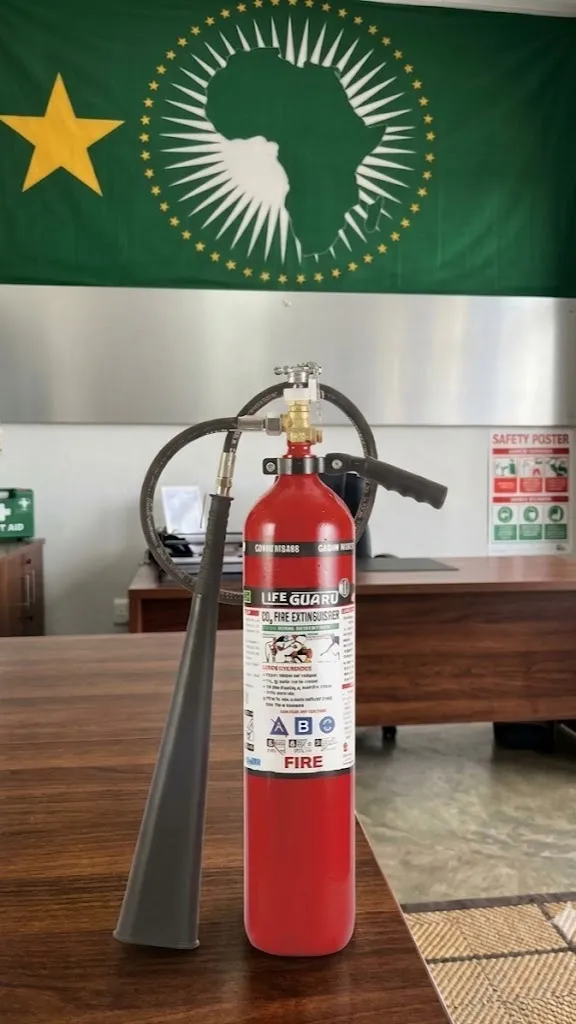
Hospital Automatic Suppression System Provider Africa
Advanced Hospital Fire Suppression & Life Safety Solutions
Hospitals are critical facilities where fire protection must safeguard patients, healthcare professionals, visitors, medical equipment, medicines, electrical infrastructure and uninterrupted clinical operations. Unlike conventional commercial buildings, hospitals may contain patients who cannot independently evacuate, critical-care departments that must remain operational, sensitive electronic equipment, medical gases, laboratories and high-risk service areas.
LIFEGUARD® – United Fire Equipments Pvt. Ltd. provides Hospital Automatic Suppression System Solutions in Africa, offering engineered fire protection solutions for hospitals, healthcare centres, laboratories, diagnostic facilities, pharmaceutical environments and other medical infrastructure.
A hospital fire protection strategy should combine automatic detection, alarm, suppression, compartmentation, emergency procedures and regular inspection and maintenance. Healthcare fire-safety guidance emphasizes the importance of maintaining reliable suppression systems as part of a broader life-safety strategy.
Why Choose an Automatic Suppression System for Hospitals?
A hospital operates continuously, often with patients who may be unconscious, immobile or dependent on medical support. Consequently, relying exclusively on manual firefighting can create unacceptable delays.
An automatic suppression system can respond to a developing fire without waiting for someone to discover the fire and manually activate firefighting equipment.
The objective is to:
- Detect fire at an early stage
- Initiate an immediate alarm
- Control or suppress the fire
- Limit fire and smoke spread
- Protect patients and hospital personnel
- Protect critical medical equipment
- Reduce damage to infrastructure
- Support business and clinical continuity
- Assist emergency responders
- Reduce the potential for prolonged operational disruption
Healthcare fire protection commonly follows a defend-in-place philosophy, where building fire protection features help contain a fire while patients are moved or protected in appropriate stages rather than relying on immediate evacuation of the entire hospital.
LIFEGUARD® – Hospital Automatic Suppression System Provider in Africa
LIFEGUARD® delivers application-focused automatic fire suppression solutions designed around the specific hazard and operational requirements of each healthcare facility.
Our solutions can be considered for:
- Hospitals
- Multi-specialty hospitals
- Government hospitals
- Private hospitals
- Medical centres
- Diagnostic centres
- Laboratories
- Healthcare campuses
- Pharmaceutical facilities
- Medical storage facilities
- Emergency-care facilities
- Research and clinical facilities
Rather than applying a single suppression technology to an entire hospital, the system should be selected according to the risk, occupancy, equipment and applicable regulations.
Hospital Automatic Fire Suppression Systems We Provide
1. Automatic Sprinkler Systems
Automatic sprinkler systems are a fundamental component of many hospital fire-protection strategies.
Sprinkler systems can provide automatic fire control in suitable hospital areas and can be integrated with fire alarm and monitoring systems.
Typical applications include:
- Patient wards
- Corridors
- Offices
- Storage areas
- Utility areas
- General clinical spaces
- Service areas
- Parking and basement areas
The system can include:
- Sprinkler heads
- Piping network
- Control valves
- Alarm valves
- Flow switches
- Pressure switches
- Fire pumps
- Water storage tanks
- Test and drain arrangements
- Fire alarm interface
The final sprinkler design should be based on the applicable standard, hazard classification, hydraulic calculations, building layout and authority requirements.
2. Pre-Action Fire Suppression Systems
Certain hospital departments require special consideration because an accidental water discharge could cause significant disruption or damage.
Pre-action systems can be considered for selected areas where water sensitivity and operational continuity are important.
Potential applications include:
- Operating theatres
- Imaging areas
- Endoscopy rooms
- Day-surgery areas
- Sensitive technical rooms
- Selected medical equipment areas
- Data and IT facilities
Healthcare engineering guidance specifically identifies pre-action sprinkler systems for areas where an unwanted sprinkler discharge could significantly disrupt healthcare operations.
A pre-action system may use fire detection as part of the release sequence before water enters the protected piping network, depending on the selected configuration.
3. Clean Agent Fire Suppression Systems
Hospitals depend heavily on sensitive electronic and electrical equipment. Water or powder discharge may not be suitable for every critical environment.
For appropriate enclosed hazards, clean-agent fire suppression can provide rapid fire suppression with minimal post-discharge residue.
Potential applications include:
- Server rooms
- Data centres
- Network rooms
- Electrical control rooms
- UPS rooms
- Communication rooms
- Control rooms
- Critical electronic equipment rooms
- Medical equipment control rooms
A typical clean-agent system consists of:
Smoke Detector → Releasing Control Panel → Pre-Alarm → Time Delay → Agent Release → Cylinder → Piping Network → Nozzles → Fire Suppression
Additional components may include:
- Manual release station
- Abort switch
- Audible alarm
- Visual alarm
- Pressure switch
- Discharge pressure monitoring
- HVAC shutdown interface
- Door/fan interlocks
- Pressure relief arrangement
- Emergency power arrangements
The selected agent and system design must be appropriate for the specific occupancy and comply with applicable requirements.
4. Hospital Data Centre & Server Room Suppression
Modern hospitals rely on digital infrastructure for patient records, diagnostics, communication, monitoring, billing and clinical systems.
A fire in a server room can therefore have consequences beyond physical property damage.
LIFEGUARD® can provide integrated protection incorporating:
- Early smoke detection
- Automatic fire detection
- Releasing control panel
- Clean-agent suppression
- Alarm notification
- HVAC shutdown
- Manual release
- Abort functionality where applicable
- Cylinder assembly
- Distribution piping
- Discharge nozzles
- Room integrity considerations
The objective is to suppress the fire quickly while minimizing disruption to critical electronic infrastructure.
5. Electrical Room & UPS Fire Suppression
Electrical systems are essential to hospital operations but can present significant fire risks.
Potential hazards include:
- Electrical short circuits
- Overheating
- Cable faults
- Switchgear failures
- UPS equipment
- Battery systems
- Distribution boards
- Control panels
- Power electronics
LIFEGUARD® can engineer suitable suppression and detection arrangements for electrical and technical rooms based on the hazard assessment.
6. Hospital Kitchen Automatic Fire Suppression
Hospital kitchens contain cooking oils, grease, gas or electrical cooking equipment and exhaust systems.
A kitchen suppression solution can protect:
- Cooking ranges
- Fryers
- Grills
- Ovens
- Exhaust hoods
- Grease filters
- Exhaust ducts
- Cooking appliances
Automatic detection and suppression can be integrated with equipment shutdown arrangements to help control the incident rapidly.
Kitchen suppression design should consider the cooking equipment, fuel source, exhaust configuration and applicable fire-safety requirements.
7. Laboratory Fire Suppression
Hospital and diagnostic laboratories may contain:
- Chemicals
- Flammable materials
- Electrical equipment
- Testing equipment
- Refrigeration equipment
- Research apparatus
A laboratory fire-protection system should begin with a detailed hazard assessment.
Depending on the application, protection may combine:
- Automatic detection
- Sprinklers
- Special suppression
- Portable extinguishers
- Fire alarm
- Emergency shutdown
- Ventilation interfaces
- Compartmentation
8. Medical Equipment Room Protection
Medical facilities contain expensive diagnostic and therapeutic equipment.
Potentially sensitive areas can include:
- Imaging equipment rooms
- Control rooms
- Diagnostic equipment rooms
- Monitoring rooms
- Specialized clinical equipment rooms
The fire suppression approach should account for equipment sensitivity, room occupancy, electrical hazards and the consequences of discharge.
Automatic Detection & Suppression Integration
An automatic suppression system becomes significantly more effective when integrated with the hospital's fire alarm and building systems.
A typical sequence can be:
1. Fire/Smoke Detection
↓
2. Fire Alarm Panel Receives Signal
↓
3. Pre-Alarm / Audible & Visual Notification
↓
4. Verification / Release Logic
↓
5. Time Delay
↓
6. HVAC / Equipment Interface
↓
7. Suppression System Activation
↓
8. Agent or Water Discharge
↓
9. Fire Control
↓
10. Alarm & System Status Monitoring
The exact sequence depends on the selected suppression technology, project design and applicable code requirements.
Hospital Areas Protected by LIFEGUARD®
As a hospital automatic suppression system provider, LIFEGUARD® can support protection strategies for:
Clinical Areas
- ICU
- NICU
- Emergency departments
- Patient wards
- Operating theatres
- Recovery rooms
- Treatment rooms
- Isolation areas
Technical Areas
- Electrical rooms
- UPS rooms
- Battery rooms
- Generator areas
- Control rooms
- Mechanical rooms
- Plant rooms
IT & Communication
- Data centres
- Server rooms
- Network rooms
- Communication rooms
- BMS/control rooms
Support Areas
- Kitchens
- Laundry rooms
- Stores
- Pharmacies
- Laboratories
- Waste areas
- Maintenance rooms
Fire Detection & Suppression for Critical Hospital Areas
The protection strategy should be customized according to the function of each room.
Hospital AreaPotential Protection ApproachPatient wardsAutomatic sprinkler + fire detectionOperating theatresRisk-based sprinkler/pre-action strategyServer roomsEarly detection + clean-agent suppressionElectrical roomsDetection + appropriate suppressionUPS roomsHazard-specific detection and suppressionHospital kitchensAutomatic kitchen suppressionLaboratoriesHazard-specific detection and suppressionStorage areasAutomatic sprinkler protectionControl roomsDetection + suitable suppressionCritical equipment roomsApplication-specific suppression
This table is a general planning guide, not a substitute for detailed engineering or authority approval.
Hospital Fire Suppression System Design for Africa
Africa contains diverse regulatory environments, building types, climates and healthcare infrastructure. Therefore, hospital fire protection projects should not rely on a generic design.
LIFEGUARD® recommends a structured engineering process:
Step 1 – Site Survey
Review:
- Building layout
- Occupancy
- Fire hazards
- Critical departments
- Existing fire protection
- Electrical infrastructure
- HVAC systems
- Medical gases
- Storage areas
- Access and evacuation arrangements
Step 2 – Fire Risk Assessment
Identify potential ignition sources, combustible materials, equipment risks and consequences of fire.
Studies of healthcare facilities in Africa have identified electrical faults and combustible materials among important fire-risk factors, reinforcing the need for appropriate fire-safety planning and enforcement.
Step 3 – System Selection
Select the appropriate suppression technology based on:
- Hazard
- Room use
- Occupancy
- Equipment sensitivity
- Fire scenario
- Water availability
- Environmental conditions
- Applicable codes
- Authority requirements
Step 4 – Engineering Design
Prepare:
- System layouts
- Hydraulic calculations where applicable
- Suppression calculations
- Piping layouts
- Nozzle layouts
- Detection layouts
- Control philosophy
- Cause-and-effect matrix
- Equipment schedules
Step 5 – Installation
Install the system according to the approved design, manufacturer requirements and applicable standards.
Step 6 – Testing & Commissioning
Testing can include:
- Detector testing
- Alarm testing
- Manual release testing
- Abort testing where applicable
- Flow testing
- Pressure testing
- Releasing sequence testing
- Interface testing
- Alarm monitoring
- System fault testing
Step 7 – Training & Handover
Hospital facility teams should receive appropriate training regarding:
- Alarm indications
- Emergency response
- System operation
- Manual activation
- Basic inspection
- System impairment procedures
- Maintenance requirements
Step 8 – Maintenance
Regular inspection, testing and maintenance are essential to maintaining system readiness.
Healthcare fire-protection guidance emphasizes the importance of maintaining suppression systems and addressing deficiencies rather than treating installation as a one-time activity.
Compliance & Standards
Hospital fire protection in Africa should be designed according to the regulations applicable in the project country and requirements established by the relevant authority having jurisdiction.
Depending on the project, specifications may reference standards such as:
- NFPA 13 – Installation of Sprinkler Systems
- NFPA 20 – Fire Pumps
- NFPA 25 – Inspection, Testing and Maintenance
- NFPA 72 – Fire Alarm and Signaling
- NFPA 99 – Health Care Facilities
- NFPA 101 – Life Safety
- NFPA 2001 – Clean Agent Fire Extinguishing Systems
- Applicable national building regulations
- Applicable national fire codes
- Local authority requirements
For example, South Africa's SANS 10400-T addresses fixed fire extinguishing and suppression systems and specifies circumstances where automatic firefighting systems are required.
Requirements vary by country and project, so LIFEGUARD® recommends confirming the applicable local regulations and AHJ requirements before final system selection.
Automatic Hospital Suppression System Installation & Commissioning
A reliable hospital suppression system requires more than supplying equipment.
LIFEGUARD® can support the complete project lifecycle:
Design → Supply → Installation → Testing → Commissioning → Training → Maintenance
This approach helps healthcare facility owners establish a coordinated fire-protection system rather than a collection of independent fire-safety products.
Why Choose LIFEGUARD® as Your Hospital Automatic Suppression System Provider?
Healthcare-Focused Approach
Hospital fire protection requires special attention to patient safety, clinical continuity and sensitive equipment.
Multiple Suppression Technologies
Solutions can be developed around sprinklers, pre-action systems, clean agents, water mist and specialized suppression applications.
Integrated Fire Protection
Detection, alarm, suppression and equipment interfaces can be designed as part of one coordinated solution.
Project-Specific Engineering
Every hospital has different hazards, layouts and operational requirements.
Installation & Commissioning Support
Proper installation and functional testing are essential for system reliability.
Maintenance Support
Periodic inspection, testing and maintenance help maintain system readiness.
Hospital Automatic Suppression System Provider for African Markets
LIFEGUARD® can support fire protection requirements for healthcare projects across African markets, subject to project scope, local regulations, logistics and installation requirements.
Potential markets include:
- South Africa
- Nigeria
- Kenya
- Ghana
- Tanzania
- Uganda
- Ethiopia
- Rwanda
- Zambia
- Zimbabwe
- Botswana
- Namibia
- Mozambique
- Angola
- Morocco
- Egypt
- Algeria
- Tunisia
- Senegal
- Côte d'Ivoire
- Cameroon
- Other African markets
For each country, the final system design should be reviewed against applicable national standards, local fire authority requirements and project specifications.
Frequently Asked Questions
What is a hospital automatic suppression system?
A hospital automatic suppression system is a fire-protection system designed to detect and automatically control or suppress fire with minimal reliance on manual intervention.
Which automatic suppression system is best for hospitals?
There is no universal solution. General areas may use automatic sprinklers, while selected sensitive areas may require pre-action, clean-agent, water-mist or other specialized systems.
Can LIFEGUARD® provide clean-agent suppression for hospital server rooms?
Yes. LIFEGUARD® can support clean-agent fire suppression solutions for suitable enclosed electronic and IT environments, subject to detailed engineering.
Can hospital kitchens have automatic fire suppression?
Yes. Hospital commercial kitchens can be protected with appropriately designed automatic kitchen suppression systems covering cooking appliances and associated exhaust hazards.
Why is fire suppression important in hospitals?
Hospitals may contain patients who cannot evacuate independently, critical medical equipment and continuous clinical operations. Automatic suppression helps provide rapid fire control and supports the overall life-safety strategy.
Does LIFEGUARD® provide hospital suppression solutions in Africa?
LIFEGUARD® can support hospital fire suppression projects across African markets with application-specific fire protection solutions, subject to project requirements, local regulations and installation scope.
Conclusion
A hospital fire can threaten human life, medical operations, critical equipment and essential healthcare services within minutes. An appropriately engineered automatic suppression system provides an important layer of protection by detecting and controlling fire at an early stage.
LIFEGUARD® – United Fire Equipments Pvt. Ltd. provides Hospital Automatic Suppression System Solutions in Africa, supporting healthcare facilities with automatic sprinkler, pre-action, clean-agent, water-mist and specialized suppression solutions.
From risk assessment and system design to equipment supply, installation, testing, commissioning and maintenance, LIFEGUARD® can help healthcare organizations develop dependable fire protection strategies tailored to their facility.
Contact LIFEGUARD®
LIFEGUARD® – United Fire Equipments Pvt. Ltd.
Manufacturer of ISI Certified Fire Safety Equipment
Phone: 8048034226
Email: ufe126@gmail.com | info@lifeguardindia.in
Website: www.lifeguardindia.in
SEO Metadata
SEO Title:
Hospital Automatic Suppression System Provider Africa | LIFEGUARD®
Meta Description:
LIFEGUARD® is a hospital automatic suppression system provider in Africa, offering sprinkler, pre-action, clean-agent, water-mist and specialized hospital fire protection solutions.
Suggested URL:
/hospital-automatic-suppression-system-provider-africa/
Primary Keyword
Hospital Automatic Suppression System Provider Africa
Secondary Keywords
- Hospital Automatic Fire Suppression System Africa
- Hospital Fire Suppression System Provider Africa
- Hospital Fire Protection Company Africa
- Hospital Fire Suppression Solutions Africa
- Hospital Automatic Fire Protection Africa
- Healthcare Fire Suppression System Africa
- Hospital Fire Safety Solutions Africa
- Automatic Fire Suppression Provider Africa
- Hospital Sprinkler System Provider Africa
- Hospital Clean Agent Suppression Africa
- Hospital Pre-Action Suppression System Africa
- Healthcare Fire Protection Equipment Africa
- Medical Facility Fire Suppression System
- Hospital Fire Protection Solutions Provider
- Automatic Hospital Fire Suppression Company Africa
Keywords






