
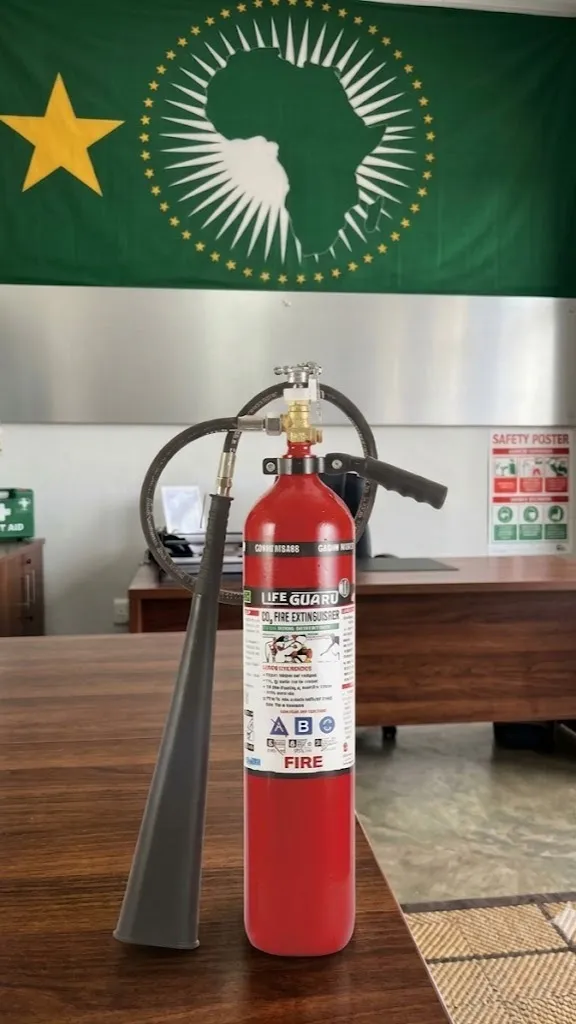
Hospital Fire Extinguisher Solutions Africa – LIFEGUARD® Healthcare Fire Safety
Hospitals and healthcare facilities require specialised fire protection because they combine high occupancy, vulnerable patients, sophisticated medical equipment, electrical installations, laboratories, medical stores, kitchens, generators and other critical infrastructure within the same premises.
For organisations searching for dependable hospital fire extinguisher solutions in Africa, LIFEGUARD® – United Fire Equipments Pvt. Ltd. offers a comprehensive portfolio of fire extinguishers and fire safety equipment for hospitals, medical centres, clinics, diagnostic laboratories, nursing homes, medical colleges and healthcare infrastructure projects.
LIFEGUARD® focuses on application-specific fire protection so that suitable extinguisher types can be selected according to the actual fire hazards found in different areas of a hospital.
Complete Hospital Fire Extinguisher Solutions in Africa
A hospital cannot normally be protected effectively with only one type of extinguisher. Fire risks differ considerably between patient wards, electrical rooms, kitchens, laboratories, pharmacies and generator areas.
An effective hospital fire extinguisher solution for Africa therefore requires proper hazard identification followed by the selection of suitable extinguishing media, capacities and extinguisher locations.
LIFEGUARD® can support fire extinguisher requirements for areas including:
- Patient wards
- Intensive Care Units
- Operation theatres
- Emergency departments
- Diagnostic centres
- Radiology departments
- Pathology laboratories
- Blood banks
- Pharmacies
- Medicine stores
- Hospital kitchens
- Cafeterias
- Electrical rooms
- UPS rooms
- Server rooms
- Control rooms
- Generator areas
- Maintenance departments
- Administrative offices
- Medical record rooms
- Warehouses and storage facilities
Why Hospitals Need Specialised Fire Extinguisher Solutions
Healthcare facilities differ from ordinary commercial buildings because many occupants may not be able to evacuate independently.
Fire protection planning therefore has to consider not only property protection but also:
- Patient safety
- Rapid first response
- Continuity of medical services
- Protection of life-support equipment
- Protection of expensive medical technology
- Safe evacuation procedures
- Electrical fire hazards
- Medical and laboratory risks
- Cooking-related hazards
- Critical infrastructure protection
Portable fire extinguishers provide an important first line of defence when a fire is discovered at an early stage and trained personnel can safely intervene.
LIFEGUARD® Hospital Fire Extinguisher Range
ABC Dry Chemical Powder Fire Extinguishers
ABC dry powder extinguishers are versatile fire extinguishers that can be considered for many general hospital locations depending on the identified fire risk.
Possible applications include:
- General utility areas
- Maintenance areas
- Hospital corridors
- Storage rooms
- Administrative sections
- Certain plant and service areas
Different extinguisher capacities can be supplied according to project requirements.
CO₂ Fire Extinguisher Solutions
Modern hospitals rely heavily on electrical and electronic systems. CO₂ extinguishers are commonly considered for suitable electrical equipment hazards because carbon dioxide does not leave powder residue after discharge.
Typical applications may include:
- Electrical control panels
- UPS systems
- Electrical distribution rooms
- Server rooms
- Communication equipment
- Computer systems
- Diagnostic equipment areas
- Control rooms
Final extinguisher selection should always be based on the specific equipment and applicable regulations.
Clean Agent Fire Extinguisher Solutions
Residue-sensitive environments containing valuable electronic and medical equipment may require specialised clean extinguishing solutions.
Clean-agent extinguishers may be considered for selected areas containing:
- Sensitive medical electronics
- Communication equipment
- Laboratory instruments
- Data processing equipment
- Server equipment
- Control systems
- High-value electronic devices
They can help provide fire protection where post-discharge residue needs to be minimised.
Water-Based Fire Extinguishers
Water-based extinguishers can be suitable for applicable ordinary combustible materials such as paper, textiles, wood and similar Class A materials.
Depending on local requirements and risk assessment, they may be considered in suitable:
- Administrative areas
- Record rooms
- Offices
- General stores
- Staff facilities
Water extinguishers should not be selected indiscriminately for areas involving electrical or incompatible chemical hazards.
Foam Fire Extinguishers
Foam extinguishers can provide protection against suitable combustible solid and flammable-liquid hazards.
Potential applications may include certain:
- Maintenance areas
- Workshops
- Storage facilities
- Utility areas
- Fuel-related facilities
Selection should be determined by the actual combustible or liquid hazard involved.
Wet Chemical Fire Extinguisher Solutions
Commercial hospital kitchens can contain high-temperature cooking oils and fats that require specialised extinguishing media.
Wet chemical fire extinguishers can be considered for applicable cooking-oil and fat hazards found in:
- Hospital kitchens
- Canteens
- Cafeterias
- Institutional cooking facilities
- Food preparation areas
Fire Extinguisher Solutions for Hospital Patient Areas
Patient safety is one of the most important considerations in hospital fire protection.
Extinguishers positioned in patient areas should be:
- Easily accessible
- Clearly identifiable
- Properly mounted or located
- Appropriate for nearby hazards
- Positioned without obstructing evacuation routes
- Periodically inspected and maintained
Hospitals should also ensure that personnel expected to operate fire extinguishers receive appropriate training.
ICU and Critical Care Fire Protection Solutions
Intensive Care Units contain life-support equipment, monitoring systems, electrical devices and other critical medical infrastructure.
An extinguisher selected for an ICU should therefore consider both effective firefighting and potential secondary damage to sensitive equipment.
A suitable hospital fire safety assessment should evaluate:
- Equipment type
- Electrical load
- Combustible materials
- Oxygen-enriched considerations where relevant
- Occupancy
- Evacuation limitations
- Available fire detection
- Suitable extinguisher agent
Fire Extinguisher Solutions for Operation Theatres
Operation theatres are specialised environments containing electrical equipment, medical devices, surgical materials and potentially other specific risks.
Fire extinguisher selection should therefore be based on a detailed hazard assessment rather than a standardised one-type-fits-all approach.
Protection planning may consider:
- Electrical fire risks
- Combustible materials
- Medical equipment
- Operating conditions
- Local healthcare fire regulations
- Emergency response procedures
Hospital Electrical Room Fire Extinguisher Solutions
Electrical rooms are critical areas because failure of electrical infrastructure can disrupt essential healthcare services.
CO₂ or other suitable extinguishing solutions may be considered for:
- Main electrical panels
- Distribution boards
- UPS rooms
- Electrical control cabinets
- Communication equipment rooms
- Server rooms
- Critical power infrastructure
Correct extinguisher capacity and placement should be finalised after evaluating the electrical equipment and local fire safety requirements.
Fire Safety Solutions for Hospital Laboratories
Hospital and diagnostic laboratories may contain different combinations of:
- Chemicals
- Solvents
- Electrical instruments
- Plastic materials
- Paper products
- Biological materials
- Laboratory equipment
Because these risks vary significantly, a detailed assessment is necessary before selecting an extinguisher.
Depending on the hazard, laboratory fire protection may require a combination of suitable CO₂, dry powder, foam, clean-agent or other specialised extinguishing solutions.
Hospital Pharmacy Fire Extinguisher Solutions
Hospital pharmacies and medical stores may contain medicines, packaging materials, cartons, plastics and other combustible materials.
A fire extinguisher solution should therefore consider:
- Type of stored materials
- Quantity of storage
- Electrical equipment
- Storage arrangement
- Chemical compatibility
- Required fire rating
- Location accessibility
Hospital Kitchen Fire Extinguisher Solutions Africa
Hospital kitchens can represent a significant fire risk because of continuous cooking operations, heated oils, electrical appliances and gas-fired equipment.
An appropriate hospital kitchen protection strategy may include wet chemical extinguishers for applicable cooking-oil hazards together with other extinguishers selected for additional risks.
Correct positioning is especially important so that personnel can access the extinguisher without approaching a fire dangerously.
Generator and Utility Area Fire Extinguisher Solutions
Healthcare facilities often have backup generator systems because uninterrupted electrical supply is essential for critical medical operations.
Generator and utility areas may contain:
- Fuel
- Lubricating oils
- Electrical equipment
- Hot surfaces
- Mechanical machinery
The extinguisher solution should therefore be selected according to the actual combination of fire risks present.
Hospital Server Room Fire Protection
Hospitals increasingly depend on digital infrastructure for patient records, imaging, monitoring, communication and administration.
Server and IT equipment areas contain high-value electronic equipment that may be damaged by unsuitable extinguishing residues.
Depending on the room and system design, fire protection may incorporate:
- Suitable portable extinguishers
- Early fire detection
- Fire alarm integration
- Clean-agent suppression systems
- Emergency shutdown interfaces
Application-Based Hospital Fire Extinguisher Selection
A professionally designed hospital extinguisher strategy considers the fire hazard in each zone.
General combustible materials: Suitable extinguishers for paper, fabric, furniture, wood and other ordinary combustible materials.
Electrical equipment: Suitable CO₂ or other approved extinguishing solutions for electrical and electronic installations.
Flammable liquids: Appropriate extinguishing systems for fuels, solvents and compatible liquid hazards.
Cooking oils: Wet chemical extinguishers for applicable commercial kitchen risks.
Sensitive electronics: Clean-agent or other suitable residue-conscious solutions.
Mixed-risk areas: A combination of extinguisher types may be required according to the hazards present.
Integrated Hospital Fire Safety Solutions
Portable fire extinguishers are only one element of comprehensive healthcare fire protection.
Depending on building design and project specifications, an integrated hospital fire safety solution may incorporate:
- Portable fire extinguishers
- Wheeled fire extinguishers
- Automatic fire detection systems
- Fire alarm control panels
- Smoke detection
- Heat detection
- Hydrant systems
- Hose reels
- Sprinkler systems
- Clean-agent suppression systems
- Specialised suppression for critical rooms
- Emergency alarm devices
- Manual call points
- Fire safety signage
The complete fire protection design should follow applicable regulations, approved engineering practices and project requirements.
Hospital Fire Extinguisher Solutions for African Healthcare Projects
LIFEGUARD® can support hospital and healthcare fire protection requirements across African markets.
Project enquiries may originate from:
- South Africa
- Kenya
- Nigeria
- Tanzania
- Ghana
- Uganda
- Ethiopia
- Rwanda
- Zambia
- Zimbabwe
- Botswana
- Namibia
- Mozambique
- Mauritius
- Angola
- Cameroon
- Senegal
- Côte d'Ivoire
- Democratic Republic of Congo
- Other African countries
Product specifications should be matched with the relevant destination-country requirements and project documentation.
Hospital Fire Extinguisher Solutions for New Healthcare Developments
New hospital projects provide an opportunity to integrate fire safety requirements into the facility during the design stage.
LIFEGUARD® can support requirements associated with:
- New multi-speciality hospitals
- Government hospital projects
- Medical colleges
- Diagnostic centres
- Healthcare campuses
- Speciality clinics
- Research laboratories
- Pharmaceutical healthcare facilities
Project requirements may include product specifications, technical submittals, compliance documentation and bulk supply.
Fire Safety Upgrades for Existing Hospitals
Existing hospitals may require additional extinguishers due to:
- Building expansion
- New medical equipment
- Renovation
- Additional electrical installations
- New laboratories
- Kitchen expansion
- Increased occupancy
- Fire audit observations
- Changes in regulatory requirements
A fresh fire risk assessment can help determine whether existing extinguisher types, capacities, quantities and positions remain appropriate.
Solutions for Hospital Contractors and Consultants in Africa
LIFEGUARD® can support various organisations involved in healthcare infrastructure, including:
- Hospital owners
- Healthcare groups
- Government agencies
- EPC contractors
- MEP contractors
- Fire protection contractors
- Consultants
- Architects
- Facility management companies
- Procurement agencies
- Importers
- Fire safety distributors
Project-specific product information can be provided according to technical and commercial requirements.
Bulk Hospital Fire Extinguisher Supply Africa
Large hospitals and healthcare campuses may require significant quantities of extinguishers across multiple buildings and departments.
Bulk requirements may involve:
- Different extinguisher types
- Multiple capacities
- Project-specific identification
- Technical documentation
- Inspection requirements
- Packing and dispatch coordination
- Export documentation
- Installation accessories
LIFEGUARD® can evaluate such requirements according to the project BOQ and technical specifications.
Why Choose LIFEGUARD® Hospital Fire Extinguisher Solutions?
Extensive Fire Safety Experience
LIFEGUARD® brings decades of experience in the fire protection industry and focuses on practical, hazard-specific fire safety solutions.
Comprehensive Product Range
Hospitals contain varied fire risks, making access to multiple extinguisher technologies important.
Application-Specific Selection
Products can be selected according to the actual area and hazard rather than using one standard extinguisher throughout a facility.
Project-Oriented Support
Technical requirements for hospitals, institutional buildings and large infrastructure projects can be evaluated according to project documentation.
Bulk and Export Requirements
LIFEGUARD® can support enquiries from contractors, distributors, procurement organisations and healthcare project developers requiring fire extinguishers for African markets.
Key Considerations When Planning Hospital Fire Extinguisher Protection
Before finalising an extinguisher schedule, project teams should evaluate:
- Nature of the fire hazard
- Hospital department
- Type of combustible materials
- Electrical installations
- Sensitive medical equipment
- Cooking and kitchen hazards
- Flammable liquids
- Laboratory chemicals
- Occupancy level
- Patient mobility
- Escape routes
- Travel distance
- Extinguisher accessibility
- Required fire rating
- Local regulations
- Project specifications
- Inspection and maintenance requirements
Final selection and placement should be undertaken in accordance with applicable fire codes and by appropriately qualified professionals.
Maintenance of Hospital Fire Extinguishers
Installing extinguishers is not sufficient by itself. Fire extinguishers need regular inspection and maintenance to remain ready for use.
Hospital fire safety management should include:
- Periodic visual inspection
- Verification of accessibility
- Checking operating condition
- Inspection of pressure indicators where provided
- Checking seals and safety devices
- Ensuring labels remain readable
- Scheduled servicing
- Refilling or recharging when necessary
- Replacement of damaged equipment
- Proper maintenance records
Because healthcare services operate continuously, fire safety equipment should form part of the hospital's routine facility management programme.
LIFEGUARD® – Hospital Fire Extinguisher Solutions for Africa
Choosing appropriate fire extinguishers for healthcare buildings requires more than simply selecting a product from a catalogue. Each hospital department has its own fire risks and operational requirements.
For organisations looking for hospital fire extinguisher solutions in Africa, LIFEGUARD® offers application-focused fire safety equipment for hospitals, clinics, diagnostic laboratories, medical colleges, healthcare campuses and other medical establishments.
From general-purpose extinguishers to specialised solutions for electrical equipment, kitchens and sensitive medical environments, LIFEGUARD® can support healthcare project requirements with a comprehensive fire protection portfolio.
Frequently Asked Questions
What hospital fire extinguisher solutions are available in Africa?
Hospital fire protection may include ABC dry powder, CO₂, water-based, foam, clean-agent and wet chemical extinguishers, depending on the hazards present in each department.
Which extinguisher is best for a hospital?
There is no single extinguisher that is best for every hospital location. Different areas should be assessed individually, and the extinguishing agent should be matched to the fire hazard.
What extinguisher can be used for hospital electrical equipment?
CO₂ and other suitable approved extinguishing technologies are commonly considered for electrical and electronic equipment. Final selection should consider the specific equipment and applicable regulations.
What type of fire extinguisher is suitable for hospital kitchens?
Wet chemical extinguishers may be required for applicable fires involving high-temperature cooking oils and fats. Other extinguisher types may also be needed for additional hazards within the kitchen.
Do hospital server rooms need specialised fire protection?
Server rooms contain sensitive electronic equipment, so suitable residue-conscious extinguishing solutions, fire detection and potentially automatic clean-agent suppression may be considered depending on the risk.
Can LIFEGUARD® support hospital fire extinguisher projects in Africa?
Yes. LIFEGUARD® can support hospital, healthcare and institutional fire extinguisher requirements for African markets, subject to the applicable project specifications, destination requirements and commercial terms.
Are bulk fire extinguisher supplies available for hospital projects?
Yes. Bulk requirements can be evaluated for hospital projects, healthcare groups, EPC contractors, fire protection companies, distributors and procurement organisations.
Suggested SEO Meta Title
Hospital Fire Extinguisher Solutions Africa | LIFEGUARD®
Suggested SEO Meta Description
LIFEGUARD® provides hospital fire extinguisher solutions in Africa, including ABC, CO₂, clean agent, foam, wet chemical and specialised fire safety equipment for hospitals, clinics and healthcare projects.
Suggested SEO Keywords
hospital fire extinguisher solutions Africa, hospital fire safety solutions Africa, hospital fire protection Africa, healthcare fire extinguisher solutions Africa, hospital fire extinguisher supplier Africa, fire safety solutions for hospitals Africa, hospital CO2 extinguisher Africa, hospital clean agent extinguisher Africa, hospital kitchen fire extinguisher Africa, hospital fire protection equipment Africa, healthcare fire safety equipment Africa, hospital fire extinguisher exporter Africa, medical facility fire protection Africa, hospital fire safety company Africa, healthcare fire protection solutions Africa, hospital fire extinguisher system Africa
Contact LIFEGUARD®
United Fire Equipments Pvt. Ltd.
Manufacturer of ISI Certified Fire Safety Equipment
📞 8048034226
Keywords






