
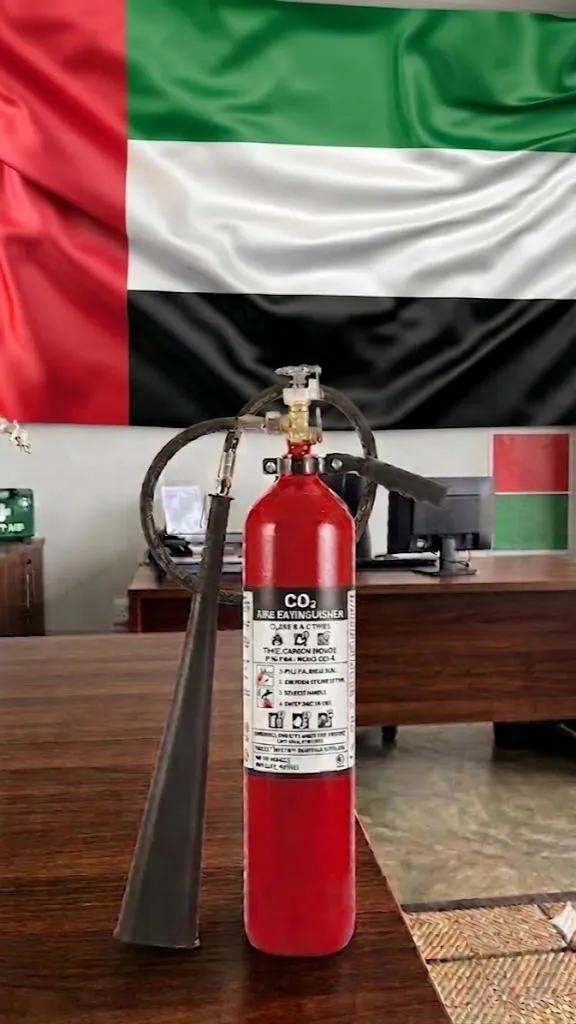
Hospital Fire Suppression Manufacturer UAE – LIFEGUARD®
Hospitals and healthcare facilities require highly dependable fire protection because they operate around the clock and accommodate patients, doctors, nursing staff, visitors, sensitive medical equipment, critical electrical infrastructure, laboratories, pharmacies and emergency services. A fire incident in a hospital can disrupt essential healthcare operations and create significant evacuation challenges, particularly for patients who may have limited mobility or depend on life-support equipment.
LIFEGUARD® – United Fire Equipments Pvt. Ltd. provides engineered fire protection solutions for organizations searching for a reliable Hospital Fire Suppression Manufacturer in UAE. We support healthcare projects with fire detection, automatic suppression and specialized fire protection solutions designed around the specific hazards present within hospitals, medical centres, laboratories and healthcare infrastructure.
Our hospital fire suppression solutions can be considered for projects throughout the United Arab Emirates, including Dubai, Abu Dhabi, Sharjah, Ajman, Ras Al Khaimah, Fujairah and Umm Al Quwain.
LIFEGUARD® – Hospital Fire Suppression Manufacturer UAE
Hospital fire safety cannot depend on a single type of suppression system. Different areas of a healthcare facility contain different fire hazards and therefore require appropriately selected protection technologies.
For example, the protection requirement for a hospital server room can be very different from that of a commercial kitchen, electrical room, medical storage facility or generator area.
LIFEGUARD® supports project-specific hospital fire suppression solutions by considering factors such as:
- Type of protected area
- Nature of the fire hazard
- Room dimensions and volume
- Occupancy conditions
- Sensitive medical equipment
- Electrical installations
- Ventilation arrangements
- Fire detection requirements
- Suppression agent compatibility
- Alarm and control requirements
- Automatic and manual activation
- System integration
- Applicable project specifications
- Required approvals and compliance conditions
This application-oriented approach enables customers to select fire suppression solutions appropriate for individual hospital zones.
Why Fire Suppression Systems Are Important in Hospitals
Hospitals are among the most sensitive occupancies from a fire safety perspective. Many occupants may not be capable of evacuating quickly without assistance.
A hospital can simultaneously contain:
- Bedridden patients
- ICU patients
- Patients under anesthesia
- Elderly patients
- Infants and children
- Patients connected to medical equipment
- Medical oxygen installations
- High-value diagnostic equipment
- Electrical systems
- Server infrastructure
- Pharmaceutical products
- Laboratory equipment
- Cooking facilities
- Emergency power systems
An automatic fire suppression system can help provide an immediate response during the early stages of a fire and form an important part of the hospital's overall fire protection strategy.
Key Objectives of Hospital Fire Suppression
A properly engineered hospital fire suppression system may be designed to achieve objectives such as:
Rapid Fire Control: Suppression is initiated quickly after confirmed fire detection.
Protection of Critical Equipment: Sensitive electrical, electronic and medical equipment can be protected using appropriately selected suppression technologies.
Limiting Fire Spread: Early suppression can help restrict fire development within the protected compartment.
Reduction of Operational Disruption: Appropriate suppression can help reduce fire-related damage to critical hospital infrastructure.
Automatic Operation: Systems can be configured for automatic activation following the required detection sequence.
Alarm Integration: Suppression controls can be interfaced with fire alarm and related building safety systems where required.
Hospital Areas Requiring Specialized Fire Suppression
Healthcare facilities contain multiple risk zones that may require dedicated suppression arrangements.
LIFEGUARD® can support fire protection requirements for areas such as:
- Server rooms
- Data rooms
- UPS rooms
- Electrical panel rooms
- Control rooms
- Medical equipment rooms
- Diagnostic equipment areas
- Laboratories
- Medical record rooms
- Pharmacy storage areas
- Generator rooms
- Hospital kitchens
- Commercial cafeterias
- Electrical switch rooms
- Critical utility rooms
- Battery rooms
- Communication rooms
- IT infrastructure rooms
- Specialized storage areas
Each area should be assessed independently because the most suitable extinguishing medium depends on the actual fire hazard.
Clean Agent Fire Suppression Systems for Hospitals
Clean-agent fire suppression is particularly suitable for certain hospital areas containing sensitive electronic equipment where minimizing extinguishing residue is important.
A properly selected clean-agent system can discharge into a protected enclosure and control fire without leaving the powder residue associated with conventional dry chemical extinguishing agents.
Potential hospital applications include:
- Server rooms
- Data centres
- IT rooms
- Control rooms
- Communication rooms
- Medical equipment rooms
- Electrical equipment rooms
- Hospital record storage environments
- Specialized diagnostic infrastructure
Benefits of Clean Agent Suppression
Depending on the selected technology and application, clean-agent systems can provide advantages such as:
- Automatic fire suppression
- Rapid discharge
- Minimal residue
- Reduced cleanup requirements
- Protection of sensitive electronics
- Space-efficient cylinder arrangements
- Integration with detection systems
- Automatic and manual activation provisions
- Engineered nozzle distribution
The suppression system should always be selected and engineered according to the protected hazard and applicable design requirements.
FK-5-1-12 Clean Agent Fire Suppression
FK-5-1-12-based clean-agent systems can be used for appropriate special-hazard applications where fast fire suppression and minimal residue are desired.
A typical engineered system can consist of:
- Suppression agent cylinders
- Cylinder valves
- Actuation devices
- Distribution piping
- Discharge nozzles
- Detection system
- Gas release control panel
- Manual release station
- Abort switch
- Audible and visual alarms
- Pressure switches
- Warning signage
The design considers room volume, design concentration, piping configuration, nozzle arrangement and other project-specific parameters.
HFC-227ea Fire Suppression for Hospital Applications
HFC-227ea systems may also be considered for selected special-hazard environments depending on specification, regulatory requirements and project acceptance.
Typical applications can include:
- Electrical rooms
- Communication rooms
- Control rooms
- Server rooms
- Data processing areas
- Critical equipment rooms
A complete total-flooding system requires professional hydraulic and concentration calculations to establish cylinder capacity, agent quantity, pipe sizing and nozzle requirements.
CO₂ Fire Suppression Systems
Carbon dioxide fire suppression may be used for suitable industrial or unoccupied special-hazard applications where permitted by applicable safety requirements.
Because CO₂ can create a serious life-safety hazard at extinguishing concentrations, system selection for hospital environments requires particularly careful assessment of occupancy, access controls, alarms, interlocks and applicable regulations.
CO₂ systems should therefore only be used where the hazard, occupancy conditions and approved project design permit their application.
Potential industrial or utility-related hospital areas may include selected machinery or equipment hazards subject to approved engineering requirements.
Hospital Kitchen Fire Suppression Systems
Commercial kitchens within hospitals can contain cooking oils, fats, fryers, ranges and other high-temperature equipment that create specialized fire hazards.
A hospital kitchen suppression system can be designed to provide localized protection to cooking appliances and associated hazard areas.
Typical protected equipment may include:
- Deep-fat fryers
- Cooking ranges
- Griddles
- Cooking hoods
- Duct arrangements
- Oil-based cooking equipment
- Commercial food preparation appliances
Wet chemical suppression technology may be considered for appropriate kitchen fire risks.
The system can incorporate automatic actuation and manual emergency release depending on project requirements.
Electrical Room Fire Suppression in Hospitals
Hospitals rely heavily on uninterrupted electrical power to operate critical equipment.
Important electrical infrastructure can include:
- Main distribution boards
- Electrical panels
- UPS systems
- Control panels
- Switchgear
- Electrical control rooms
- Communication equipment
- Emergency power equipment
A fire in an electrical room can cause substantial disruption to hospital operations.
For suitable enclosed electrical rooms, an engineered clean-agent or other appropriate suppression solution can provide automatic protection while reducing secondary damage to sensitive equipment.
Server Room Fire Suppression for Hospitals
Modern hospitals depend on digital infrastructure for:
- Electronic patient records
- Medical imaging
- Communication systems
- Hospital management software
- Diagnostic information
- Billing systems
- Pharmacy systems
- Clinical databases
- Building management systems
A server room fire can interrupt multiple hospital operations simultaneously.
LIFEGUARD® can support engineered hospital server room fire suppression systems incorporating suitable detection, control and clean-agent suppression technologies.
A typical arrangement can include:
- Smoke detection
- Early-warning detection where required
- Fire suppression control panel
- Automatic agent release
- Manual release switch
- Abort switch
- Audible warning devices
- Visual warning devices
- Suppression cylinders
- Piping network
- Engineered nozzles
Fire Suppression for Hospital Data Centres
Large hospital groups and healthcare campuses may operate dedicated data centres containing servers, network equipment and critical digital infrastructure.
Fire suppression systems for such facilities should focus on early detection and rapid fire control while minimizing damage to electronic equipment.
Depending on project requirements, solutions may include:
- Clean-agent total flooding
- Aspirating smoke detection
- Conventional or addressable detection
- Gas release systems
- Alarm integration
- Automatic shutdown interfaces
- Multiple-zone suppression arrangements
Fire Suppression for Hospital Laboratories
Hospital laboratories may contain electrical equipment, chemicals, testing equipment, reagents and combustible materials.
Laboratory suppression design therefore requires a detailed understanding of the actual hazard.
The assessment may consider:
- Chemicals present
- Electrical equipment
- Storage quantities
- Room ventilation
- Fire classification
- Occupancy
- Laboratory processes
- Incompatible extinguishing media
The final suppression technology should be selected according to the specific laboratory risk rather than adopting a universal solution for every laboratory.
Fire Suppression for Medical Equipment Rooms
Modern healthcare facilities contain expensive medical and diagnostic technologies that can be vulnerable not only to fire but also to secondary damage caused by inappropriate extinguishing agents.
Critical equipment areas may include:
- Imaging equipment rooms
- Diagnostic equipment rooms
- Medical electronics rooms
- Control rooms
- Communication equipment
- Healthcare IT systems
- Specialized monitoring equipment
Where technically appropriate, residue-free suppression technologies can help reduce post-discharge equipment contamination.
Hospital UPS and Battery Room Fire Protection
Hospitals frequently use UPS and backup battery systems to provide power continuity for critical services.
Battery technologies and associated hazards should be identified before selecting the suppression method.
The fire protection strategy may incorporate:
- Smoke detection
- Temperature monitoring
- Gas detection where applicable
- Automatic alarms
- Fire suppression
- Ventilation controls
- Electrical isolation
- Emergency response procedures
Where lithium-ion batteries are used, the fire strategy should specifically consider thermal runaway and the possibility of heat propagation between cells or modules.
Automatic Hospital Fire Suppression Systems UAE
Automatic suppression is particularly useful in critical hospital areas because it can initiate the fire control process even before manual firefighting begins.
A typical sequence may involve:
1. Fire Detection
Detectors identify smoke, heat or another defined fire condition.
2. Alarm Verification
Depending on system configuration, signals may be processed through cross-zone or other approved activation logic.
3. Pre-Discharge Warning
Audible and visual alarms warn occupants and authorized personnel before agent release where required.
4. Suppression Activation
The suppression system is automatically actuated according to the programmed release sequence.
5. Agent Discharge
The extinguishing medium is distributed through the engineered pipe and nozzle network.
6. System Interface
The control panel may interface with other equipment such as ventilation, dampers, alarms or emergency shutdown arrangements depending on the approved design.
Components of a Hospital Fire Suppression System
Depending on suppression technology, a typical system may include:
- Fire suppression cylinder
- Extinguishing agent
- Cylinder valve
- Solenoid actuator
- Manual actuator
- Pressure gauge
- Flexible discharge hose
- Distribution manifold
- Seamless piping
- Pipe fittings
- Discharge nozzles
- Fire detectors
- Gas release control panel
- Manual release station
- Abort switch
- Hooter
- Sounder
- Flasher
- Warning signage
- Pressure switch
- Supervisory accessories
The final component configuration depends on the system technology and project specification.
Engineered Hospital Fire Suppression Design
A suppression system should not be selected only by room area. Engineering calculations are required for total-flooding systems.
Important design parameters can include:
- Room length
- Room width
- Room height
- Gross room volume
- False ceiling volume
- Raised-floor volume
- Equipment displacement
- Hazard classification
- Required design concentration
- Minimum design concentration
- Ambient temperature
- Agent quantity
- Cylinder capacity
- Pipe sizes
- Equivalent pipe lengths
- Nozzle locations
- Nozzle coverage
- Discharge time
- Enclosure integrity
- Ventilation openings
Detailed system engineering helps ensure that the extinguishing agent can reach the protected area in the required quantity and within the specified operating conditions.
Importance of Room Integrity
For total-flooding gaseous suppression systems, the protected enclosure must retain the extinguishing concentration for the required period.
Uncontrolled openings around:
- Doors
- Cable penetrations
- Pipes
- Air-conditioning ducts
- Raised floors
- False ceilings
- Service penetrations
can reduce agent retention.
Proper sealing and enclosure integrity assessment may therefore form an important part of gaseous suppression system implementation.
Fire Detection and Suppression Integration
Fire suppression works most effectively when coordinated with an appropriate detection and alarm arrangement.
Depending on application requirements, detection technologies may include:
- Smoke detectors
- Heat detectors
- Multi-criteria detectors
- Aspirating smoke detection
- Linear heat detection
- Flame detection
- Specialized gas detection
The selected detection system should provide appropriate warning while minimizing unwanted activations.
Aspirating Smoke Detection for Critical Hospital Areas
Aspirating smoke detection systems continuously sample air from the protected area through a pipe network and can provide highly sensitive early warning for suitable critical environments.
Applications can include:
- Hospital data centres
- Server rooms
- Communication rooms
- Critical electrical areas
- Medical technology rooms
- High-value equipment areas
Early warning can enable personnel to investigate abnormal conditions before they develop into a larger fire event.
Customized Hospital Fire Suppression Solutions
No two hospitals have exactly the same layout or fire risk.
LIFEGUARD® supports customized fire suppression configurations based on:
- Project drawings
- BOQ requirements
- Room dimensions
- Equipment layouts
- Risk assessment
- Client specifications
- Consultant requirements
- Equipment schedules
- Applicable fire safety requirements
Customized engineering helps ensure that the system is appropriate for the protected environment.
Hospital Fire Suppression Manufacturer Dubai
Dubai contains hospitals, specialist medical centres, clinics, laboratories and major healthcare campuses requiring reliable fire protection.
LIFEGUARD® can support customers searching for a Hospital Fire Suppression Manufacturer in Dubai with engineered solutions for:
- Server rooms
- Electrical rooms
- Data rooms
- Hospital kitchens
- Laboratories
- Critical equipment rooms
- Healthcare IT infrastructure
Our solutions can be configured according to project specifications and required approval conditions.
Hospital Fire Suppression Manufacturer Abu Dhabi
LIFEGUARD® supports hospital and healthcare fire protection projects in Abu Dhabi involving automatic and specialized suppression systems.
Projects may include:
- Government hospitals
- Private hospitals
- Medical centres
- Healthcare campuses
- Laboratories
- Specialty clinics
- Medical research centres
- Critical equipment facilities
System design can be based on project drawings, technical specifications and identified fire hazards.
Hospital Fire Suppression Systems Sharjah
Healthcare facilities in Sharjah may require a combination of detection, portable firefighting equipment and fixed automatic suppression systems.
LIFEGUARD® provides project-oriented fire suppression solutions suitable for selected healthcare applications and supports customers requiring technical assistance for system design and equipment selection.
Hospital Fire Suppression Supply Across UAE
LIFEGUARD® supports hospital fire protection requirements for customers across:
- Dubai
- Abu Dhabi
- Sharjah
- Ajman
- Ras Al Khaimah
- Fujairah
- Umm Al Quwain
We work with project companies, contractors, distributors and healthcare organizations requiring specialized fire suppression equipment for UAE projects.
Hospital Fire Suppression Solutions for New Construction Projects
New hospital construction provides an opportunity to integrate fire suppression systems with the overall building fire strategy from the design stage.
LIFEGUARD® can support projects involving:
- New hospitals
- Hospital expansions
- Healthcare campuses
- Medical colleges
- Diagnostic centres
- Research laboratories
- Specialized treatment centres
- Hospital data centres
- Healthcare infrastructure developments
System requirements can be coordinated using architectural layouts, MEP drawings and fire protection specifications.
Hospital Renovation and Retrofit Fire Suppression
Existing hospitals may require upgrading of fire protection systems due to:
- Expansion of server infrastructure
- Installation of new electrical equipment
- Changes in room use
- Replacement of outdated suppression systems
- Addition of medical technology
- Renovation of critical areas
- Revised fire safety requirements
LIFEGUARD® can support suitable retrofit solutions after reviewing available room dimensions, existing infrastructure and required protection objectives.
Why Choose LIFEGUARD® for Hospital Fire Suppression?
Customers searching for a reliable Hospital Fire Suppression Manufacturer UAE can consider LIFEGUARD® for:
- Specialized fire suppression engineering
- Clean-agent suppression solutions
- Automatic fire suppression systems
- Detection and release control integration
- Project-specific design
- Customized cylinder configurations
- Hydraulic calculation support
- Engineered piping and nozzle arrangements
- Technical documentation
- BOQ support
- Installation assistance
- Testing and commissioning support
- Healthcare project experience
- OEM and project supply capability
- After-sales technical support
Our objective is to provide a complete fire suppression solution rather than only individual system components.
Healthcare Facilities We Serve
LIFEGUARD® fire suppression solutions can be considered for:
- Government hospitals
- Private hospitals
- Multi-specialty hospitals
- Super-specialty hospitals
- Medical colleges
- Diagnostic centres
- Pathology laboratories
- Research laboratories
- Rehabilitation centres
- Nursing facilities
- Specialty clinics
- Medical warehouses
- Pharmaceutical facilities
- Healthcare data centres
- Hospital administration buildings
Complete Hospital Fire Safety Solutions
In addition to automatic fire suppression, hospital fire safety can require several complementary systems and products.
LIFEGUARD® supports requirements involving:
- Fire suppression systems
- Clean-agent systems
- Fire extinguishers
- Fire alarm systems
- Detection systems
- Aspirating smoke detection
- Specialized hazard detection
- Fire suppression control panels
- Manual release and abort stations
- Audible and visual alarm devices
- Fire safety accessories
- Customized fire protection solutions
This provides project contractors and healthcare organizations with access to a broader fire protection portfolio.
Frequently Asked Questions
What is a hospital fire suppression system?
A hospital fire suppression system is a fixed fire protection arrangement designed to automatically or manually discharge an extinguishing medium into a protected hazard area when a fire condition is detected.
Which fire suppression system is suitable for hospital server rooms?
Clean-agent fire suppression is commonly considered for suitable server and IT environments because the selected agent can provide fire suppression without the residue associated with dry chemical powder. Final selection depends on project requirements and applicable standards.
Can hospitals use automatic fire suppression systems?
Yes. Automatic suppression systems can be used in appropriate hospital areas such as server rooms, electrical rooms, kitchens and other identified special-hazard zones.
Can fire suppression systems be connected to fire alarm systems?
Yes. Suppression release panels can be integrated with appropriate detection and alarm arrangements according to the approved system design.
Can LIFEGUARD® provide clean-agent systems for hospitals?
Yes. LIFEGUARD® supports specialized clean-agent fire suppression requirements for suitable healthcare applications.
Do you provide fire suppression solutions for hospital kitchens?
Yes. Appropriate kitchen suppression technologies can be selected based on the cooking appliances and identified fire hazards.
Can you support hospital projects in Dubai and Abu Dhabi?
LIFEGUARD® can support fire protection companies, contractors and project customers requiring hospital fire suppression solutions for UAE projects, including Dubai and Abu Dhabi.
Can you provide system design and technical documentation?
Project-specific engineering support can include system selection, calculations, layouts, BOQs and technical documentation according to the agreed project scope.
Partner With LIFEGUARD® for Hospital Fire Suppression in UAE
Hospital fire protection requires careful coordination between early detection, alarm systems, automatic suppression, equipment shutdown and emergency response.
LIFEGUARD® provides engineered fire suppression solutions for customers looking for a dependable Hospital Fire Suppression Manufacturer in UAE.
Whether the requirement involves a small hospital server room, critical electrical facility, commercial kitchen, diagnostic infrastructure or a large healthcare development, our team can support the project with appropriate fire suppression engineering and equipment.
Organizations searching for:
Hospital Fire Suppression Manufacturer UAE
Hospital Fire Suppression System Manufacturer Dubai
Hospital Fire Suppression Supplier Abu Dhabi
Hospital Clean Agent Fire Suppression UAE
Hospital Server Room Fire Suppression Dubai
Healthcare Fire Suppression Systems UAE
can contact LIFEGUARD® for project-specific requirements.
Contact LIFEGUARD®
United Fire Equipments Pvt. Ltd.
Manufacturer of ISI Certified Fire Safety Equipment
📞 8048034226
Keywords






