
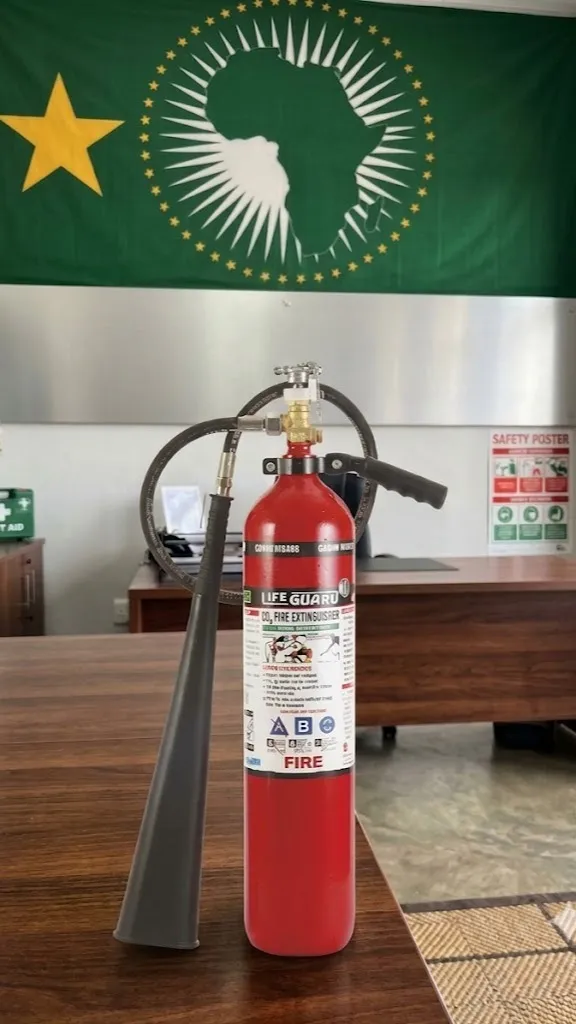
Hospital Fire Suppression Supplier Africa – LIFEGUARD® Advanced Fire Protection Solutions
Hospitals, medical centres and healthcare facilities demand highly reliable fire suppression systems because they accommodate vulnerable patients, critical medical equipment, sophisticated electrical infrastructure, medical gases, laboratories, pharmacies, kitchens, server rooms and other high-value assets.
For organisations searching for a dependable hospital fire suppression supplier in Africa, LIFEGUARD® – United Fire Equipments Pvt. Ltd. offers comprehensive fire suppression and fire protection solutions for healthcare facilities across African markets.
LIFEGUARD® supports hospitals, contractors, consultants, healthcare groups, EPC companies, distributors and project organisations with application-specific suppression solutions designed around the actual fire risks of each protected area.
Reliable Hospital Fire Suppression Supplier in Africa
Fire protection in a hospital cannot rely on a single suppression technology. The fire risk inside a server room is different from the risk inside a commercial kitchen, generator room, electrical panel, laboratory or patient area.
An effective hospital fire safety strategy therefore requires careful assessment of:
- Nature of the fire hazard
- Protected equipment
- Occupancy
- Room configuration
- Electrical infrastructure
- Sensitive medical electronics
- Presence of flammable materials
- Medical gases
- Required system response
- Applicable fire safety standards
- Local regulatory requirements
As a hospital fire suppression system supplier for Africa, LIFEGUARD® can support project-specific requirements for critical healthcare environments.
Hospital Fire Suppression Solutions Offered by LIFEGUARD®
Depending on the fire hazard and project specification, hospital fire suppression solutions may include:
- Clean agent fire suppression systems
- FK-5-1-12 fire suppression systems
- HFC-227ea fire suppression systems
- CO₂ fire suppression systems
- High-pressure water mist systems
- Automatic fire suppression systems
- Local application suppression systems
- Electrical panel fire suppression
- Server room fire suppression
- Battery and UPS room protection
- Kitchen fire suppression
- Portable and wheeled fire extinguishers
- Fire detection and alarm integration
- Gas release control systems
- Specialised suppression solutions
Final system selection should be based on a professional hazard assessment and the applicable project requirements.
Clean Agent Fire Suppression for Hospitals
Healthcare facilities frequently contain valuable electronic and medical equipment that can suffer significant secondary damage if unsuitable extinguishing agents are used.
Clean agent systems can provide an effective approach for selected enclosed areas where rapid suppression and minimal residue are important.
Potential hospital applications include:
- Server rooms
- Data centres
- UPS rooms
- Communication rooms
- Electrical control rooms
- Medical equipment rooms
- Imaging equipment support rooms
- Hospital IT rooms
- Control rooms
- Critical records facilities
FK-5-1-12 Fire Suppression Systems
FK-5-1-12 clean agent suppression systems can be considered for suitable occupied and sensitive electronic environments when designed according to applicable standards and project requirements.
A typical engineered system may include:
- Agent storage cylinders
- Cylinder valves
- Discharge piping
- Discharge nozzles
- Detection devices
- Gas release control panel
- Manual release arrangement
- Abort facility where specified
- Audible and visual alarms
- Pressure monitoring components
- Control and interface accessories
The agent quantity and hydraulic network should be engineered according to the protected enclosure and required design concentration.
HFC-227ea Fire Suppression Systems
HFC-227ea systems are another gaseous suppression option used in appropriate applications where rapid total-flooding suppression is required.
Potential healthcare applications can include:
- Server rooms
- Control rooms
- Communication facilities
- Electrical rooms
- Equipment rooms
- Critical technology areas
System design should consider enclosure volume, temperature, hazard classification, design concentration, discharge time and room integrity.
Hospital Server Room Fire Suppression Africa
Modern hospitals depend heavily on information technology for:
- Electronic medical records
- Patient management
- Diagnostic data
- Imaging information
- Internal communication
- Billing systems
- Laboratory information
- Security infrastructure
- Building management systems
Loss of a hospital server room can severely disrupt medical operations.
LIFEGUARD® can support hospital server room fire suppression systems in Africa using suitable clean agent technologies, detection systems and release control equipment.
A typical solution may involve:
- Early fire detection
- Alarm initiation
- Controlled shutdown where required
- Pre-discharge warning
- Automatic clean agent release
- Total-flooding suppression
- System status monitoring
Hospital Data Centre Fire Suppression
Large hospitals and medical institutions increasingly maintain dedicated data centres and central IT infrastructure.
Fire suppression for these areas should be designed with consideration for:
- High-value electronics
- Raised floors
- False ceilings
- Cable spaces
- Server racks
- UPS equipment
- Electrical distribution
- Continuous operational requirements
A properly engineered clean agent suppression system can help reduce fire damage while avoiding the extensive residue associated with some conventional extinguishing agents.
Electrical Room Fire Suppression for Hospitals
Hospitals require uninterrupted electrical power for life-support equipment, operation theatres, ICUs, laboratories, emergency departments and diagnostic equipment.
Electrical fires can originate from:
- Distribution boards
- Control panels
- Transformers
- UPS systems
- Cabling
- Switchgear
- Battery systems
- Electrical cabinets
Depending on the application, fire protection may involve gaseous suppression, local application systems, portable CO₂ extinguishers or other approved technologies.
LIFEGUARD® can support the development of suitable hospital electrical room fire suppression solutions for African projects.
Electrical Panel Fire Suppression Systems
Small enclosed electrical cabinets can develop fires because of:
- Short circuits
- Loose electrical connections
- Component overheating
- Insulation failure
- Excessive electrical loading
Automatic local suppression can provide protection directly inside or around electrical panels, depending on the approved system configuration.
Such systems may be considered for:
- Electrical control panels
- Medical equipment panels
- UPS panels
- Distribution cabinets
- Generator panels
- Server cabinets
- Communication panels
- Building management panels
Hospital UPS Room Fire Suppression
UPS systems are essential for maintaining electrical continuity during power interruptions.
A UPS room can contain electrical equipment and battery installations that require carefully selected protection.
Fire protection planning should evaluate:
- Battery chemistry
- Electrical loading
- Room ventilation
- Battery arrangement
- Potential fire scenario
- Thermal runaway risk where relevant
- Detection technology
- Suppression compatibility
The suppression solution should therefore be selected after a detailed technical assessment rather than using a generic approach.
Hospital Battery Room Fire Protection
Healthcare facilities may use different battery technologies for:
- UPS backup
- Emergency power
- Medical systems
- Data centres
- Communication infrastructure
- Renewable energy storage
Battery-related hazards vary considerably according to battery chemistry and installation design.
For lithium-ion battery applications, fire protection planning may need to consider:
- Thermal runaway
- Heat propagation
- Off-gassing
- Re-ignition
- Adjacent-cell involvement
- Early detection
- Cooling
- Ventilation
- System monitoring
A battery room suppression strategy should always be developed according to the specific battery technology and associated hazard assessment.
High-Pressure Water Mist Fire Suppression for Hospitals
High-pressure water mist systems use very fine water droplets to control or suppress suitable fire hazards through mechanisms including cooling and heat absorption.
Depending on the approved application, water mist systems may be considered for selected healthcare and infrastructure risks.
Potential advantages in suitable applications can include:
- Reduced water consumption compared with conventional high-volume water discharge
- Effective cooling
- Reduced water damage potential
- Rapid interaction with developing fire conditions
System suitability depends on the actual hazard, required approvals and engineering design.
Hospital Kitchen Fire Suppression Systems
Hospital kitchens often operate for long hours and can contain:
- Deep-fat fryers
- Cooking oils
- Grills
- Gas appliances
- Electrical cooking equipment
- Exhaust ducts
- Hoods and filters
Cooking-oil fires can behave differently from ordinary combustible fires and therefore require specialised protection.
Hospital kitchen fire protection may include:
- Wet chemical extinguishing systems
- Automatic local suppression
- Manual activation
- Appliance shut-off interfaces
- Hood and duct protection
- Portable wet chemical extinguishers
The suppression system should be designed specifically around the cooking appliances and kitchen arrangement.
Hospital Laboratory Fire Suppression
Medical, pathological and research laboratories may contain combinations of:
- Solvents
- Chemicals
- Electrical instruments
- Sensitive equipment
- Combustible packaging
- Laboratory gases
- Specialised testing equipment
Fire suppression requirements can vary greatly between laboratories.
Depending on the hazard assessment, possible solutions may include:
- Clean agent suppression
- Local suppression systems
- Portable extinguishers
- Automatic detection
- Gas release systems
- Specialised application-specific suppression
Chemical compatibility must be considered before selecting any extinguishing agent.
Hospital Medical Equipment Room Fire Protection
Medical facilities contain high-value equipment such as:
- Diagnostic systems
- Monitoring systems
- Imaging support equipment
- Laboratory analysers
- Communication hardware
- Electronic medical equipment
- Control systems
In sensitive environments, fire suppression should aim to control the fire while limiting unnecessary collateral damage to expensive electronic equipment.
Clean agent systems may be considered for appropriate enclosed spaces after detailed design assessment.
Hospital Generator Room Fire Suppression
Hospitals depend on standby generators to maintain power during electrical outages.
Generator rooms can present hazards involving:
- Fuel
- Lubricating oil
- Hot surfaces
- Electrical equipment
- Mechanical systems
Suppression system selection may depend on:
- Generator size
- Fuel type
- Room configuration
- Ventilation
- Fire load
- Local fire regulations
- Insurance or consultant requirements
Suitable engineered suppression may be combined with fire detection and manual extinguishing equipment.
Total Flooding Fire Suppression Systems
A total-flooding system releases the required extinguishing agent into an enclosed protected space to establish an effective suppression concentration.
Typical total-flooding applications in hospitals may include:
- Server rooms
- UPS rooms
- Communication rooms
- Electrical rooms
- Control rooms
- Data centres
- Critical equipment rooms
System effectiveness depends on proper engineering, including:
- Correct enclosure volume
- Design concentration
- Agent quantity
- Pipe sizing
- Nozzle selection
- Nozzle positioning
- Hydraulic calculations
- Room integrity
- Ventilation shutdown
- Pressure considerations
Fire Detection and Suppression Integration
An automatic hospital suppression system typically needs reliable fire detection and control interfaces.
Depending on the application, the system can include:
- Smoke detectors
- Heat detectors
- Aspirating smoke detection
- Manual release station
- Abort switch
- Gas release control panel
- Hooters
- Flashers
- Pressure switches
- Solenoid actuation
- Shutdown interfaces
- Building fire alarm integration
The detection and suppression sequence should be developed according to the approved cause-and-effect philosophy.
Aspirating Smoke Detection for Critical Hospital Areas
Very early warning smoke detection can be valuable in sensitive technology environments such as:
- Hospital data centres
- Server rooms
- Communication rooms
- Critical equipment rooms
Aspirating smoke detection systems continuously sample air from the protected space and can help identify developing fire conditions at an early stage.
When integrated properly with alarm and suppression control systems, early detection can support faster emergency response.
Gas Release Control Systems
Automatic gaseous suppression normally requires a dedicated release control arrangement.
Depending on project requirements, the release control system may perform functions such as:
- Receiving detector signals
- Cross-zone confirmation
- Operating alarms
- Initiating pre-discharge warning
- Releasing the suppression agent
- Monitoring system status
- Accepting manual release commands
- Providing abort functionality
- Sending signals to the main fire alarm system
- Initiating equipment or ventilation shutdown
Hospital Fire Suppression System Components
A typical engineered suppression system may include:
- Suppression agent cylinders
- Cylinder mounting brackets
- Cylinder valves
- Flexible discharge hoses
- Manifold assemblies
- Distribution piping
- Fire suppression nozzles
- Actuation components
- Pressure gauges
- Pressure switches
- Detection equipment
- Release control panels
- Manual release stations
- Abort switches
- Audible alarms
- Visual alarms
- Warning signage
- Interface modules
The exact configuration will depend on the selected suppression technology.
Engineered Hospital Fire Suppression Systems
Hospital suppression systems should be engineered rather than selected only according to room size.
Detailed design may require evaluation of:
- Protected volume
- Hazard type
- Maximum and minimum temperatures
- Occupancy
- Required design concentration
- Suppression agent quantity
- Cylinder arrangement
- Pipe routing
- Pipe sizes
- Nozzle quantity
- Nozzle coverage
- Discharge time
- Enclosure leakage
- Pressure relief requirements
- Detection system design
- Cause-and-effect logic
Hydraulic calculations may be required for applicable engineered gaseous suppression systems.
Hospital Fire Suppression System Design
An effective system design process may include:
1. Site and Hazard Assessment
Identify fire risks, equipment, occupancy and building conditions.
2. Suppression Technology Selection
Select a suitable suppression medium based on the protected hazard and project criteria.
3. Protected Volume Calculation
Determine room volume while considering applicable deductions or additional spaces.
4. Agent Quantity Calculation
Calculate the required quantity according to the selected agent, hazard and design concentration.
5. Cylinder Selection
Determine suitable cylinder quantity and capacity.
6. Piping and Nozzle Design
Develop the discharge distribution network.
7. Hydraulic Calculation
Verify system performance using approved design methods or software where applicable.
8. Detection and Release Design
Define automatic and manual initiation logic.
9. Technical Documentation
Prepare relevant drawings, calculations, technical data and submittals according to project requirements.
Hospital Fire Suppression Supplier for African Healthcare Projects
LIFEGUARD® can support healthcare fire protection requirements across African markets, including projects in:
- South Africa
- Kenya
- Nigeria
- Ghana
- Tanzania
- Uganda
- Ethiopia
- Rwanda
- Zambia
- Zimbabwe
- Botswana
- Namibia
- Mozambique
- Mauritius
- Angola
- Cameroon
- Senegal
- Côte d'Ivoire
- Democratic Republic of Congo
- Other African markets
System design, approvals and equipment specifications should always be aligned with the applicable requirements of the destination country and individual project.
Hospital Fire Suppression Solutions for New Projects
New hospital construction projects provide an excellent opportunity to coordinate fire protection with electrical, HVAC, architectural and medical infrastructure during the design stage.
LIFEGUARD® can support requirements for:
- Multi-speciality hospitals
- Government hospitals
- Private healthcare facilities
- Medical colleges
- Diagnostic hospitals
- Research institutions
- Healthcare campuses
- Speciality medical centres
- Laboratories
- Hospital data centres
Early coordination can help optimise:
- Cylinder locations
- Pipe routes
- Detector layouts
- Nozzle positions
- Equipment shutdown logic
- Fire alarm integration
- Architectural coordination
Fire Suppression Upgrades for Existing Hospitals
Existing healthcare facilities may need suppression upgrades because of:
- New server infrastructure
- Expanded UPS systems
- Additional electrical equipment
- Building renovation
- New laboratories
- Updated medical technology
- Changes in room layouts
- Increased fire loads
- Fire audit recommendations
A detailed site survey can help identify whether existing fire protection arrangements remain suitable.
Hospital Fire Suppression Supplier for Contractors and Consultants
LIFEGUARD® can support organisations involved in healthcare infrastructure, including:
- Hospital owners
- Healthcare groups
- Fire protection contractors
- MEP contractors
- EPC companies
- Consultants
- Architects
- Facility management companies
- Government organisations
- Procurement agencies
- Fire safety distributors
- Importers and dealers
Project support can be aligned with BOQ, technical specifications and consultant requirements.
Technical Support for Hospital Fire Suppression Projects
Depending on the project scope, technical support may include:
- Product selection
- System concept development
- BOQ support
- Agent quantity calculation
- Cylinder sizing
- Piping layouts
- Nozzle layouts
- Technical data sheets
- System drawings
- Hydraulic calculation support
- Detection and release philosophy
- Technical submittals
- Project documentation
Why Choose LIFEGUARD® as Your Hospital Fire Suppression Supplier in Africa?
Extensive Fire Protection Experience
LIFEGUARD® brings long-standing experience in fire safety equipment and suppression applications.
Multiple Suppression Technologies
Different hospital risks require different protection methods. Access to multiple technologies enables application-specific system selection.
Engineering-Oriented Solutions
Fire suppression systems are developed around the protected hazard, enclosure and operational requirements.
Healthcare Applications
Solutions can be considered for hospital server rooms, electrical areas, UPS facilities, laboratories, kitchens and other critical areas.
Project Support
LIFEGUARD® can work with contractors, consultants and project organisations to support technical requirements and documentation.
Export Supply Capability
Fire protection requirements for African healthcare projects can be evaluated according to applicable destination and project specifications.
Importance of Fire Suppression Maintenance
Even a correctly designed suppression system must be maintained so that it remains operational throughout its service life.
Hospital facility managers should ensure appropriate inspection of:
- Agent cylinders
- Cylinder pressures
- Control panels
- Detection systems
- Manual release devices
- Abort switches
- Alarm devices
- Nozzles
- Piping
- Valves
- System interfaces
- Warning signs
Maintenance requirements should follow the applicable system documentation, regulations and approved maintenance procedures.
LIFEGUARD® – Your Hospital Fire Suppression Partner for Africa
Healthcare facilities require fire protection strategies that recognise the unique risks associated with patient care, critical infrastructure and sophisticated medical technology.
For customers seeking a hospital fire suppression supplier in Africa, LIFEGUARD® – United Fire Equipments Pvt. Ltd. offers specialised fire suppression and fire protection equipment for hospitals, laboratories, medical centres, diagnostic facilities and healthcare infrastructure projects.
From clean agent systems for server rooms and critical equipment areas to specialised protection for electrical systems, kitchens and utility spaces, LIFEGUARD® focuses on practical, project-oriented fire safety solutions.
Frequently Asked Questions
What is a hospital fire suppression system?
A hospital fire suppression system is a fire protection arrangement designed to detect, control or suppress a fire in a particular hospital area. Depending on the hazard, it may use a clean agent, gaseous agent, water mist, wet chemical or another suitable extinguishing medium.
Which fire suppression system is suitable for hospital server rooms?
Clean agent suppression systems are commonly considered for appropriate server room applications because they can provide rapid suppression while avoiding powder or water residue on electronic equipment. Final system selection should be based on detailed engineering and applicable regulations.
Can clean agent suppression be used in hospital electrical rooms?
Clean agent systems may be considered for suitable enclosed electrical and electronic equipment rooms. Occupancy, enclosure characteristics, equipment type and applicable standards should be assessed during system design.
Does a hospital kitchen need automatic suppression?
Commercial hospital kitchens may require specialised automatic suppression for cooking appliances, hoods and ducts depending on the kitchen configuration and applicable regulations.
Can LIFEGUARD® supply hospital fire suppression systems to Africa?
Yes. LIFEGUARD® can support enquiries for hospital and healthcare fire suppression projects across African markets, subject to project specifications, technical requirements and applicable destination regulations.
Can LIFEGUARD® support suppression system design?
Project-specific technical support can include system selection, calculations, drawings, piping and nozzle planning, detection and release arrangements, and associated technical documentation depending on project scope.
What information is required for a hospital suppression quotation?
Useful project information normally includes room dimensions, protected hazard, equipment details, drawings, required suppression technology, project specifications, applicable standards, quantity requirements and destination.
Suggested SEO Meta Title
Hospital Fire Suppression Supplier Africa | LIFEGUARD®
Suggested SEO Meta Description
LIFEGUARD® is a hospital fire suppression supplier for Africa offering clean agent, FK-5-1-12, HFC-227ea, water mist and specialised fire suppression solutions for hospitals, server rooms, electrical rooms and healthcare projects.
Suggested SEO Keywords
hospital fire suppression supplier Africa, hospital fire suppression system Africa, hospital fire protection supplier Africa, hospital clean agent suppression Africa, healthcare fire suppression supplier Africa, hospital FK-5-1-12 suppression Africa, hospital HFC-227ea suppression Africa, hospital server room suppression Africa, hospital electrical room fire suppression Africa, hospital data centre fire suppression Africa, healthcare fire protection Africa, automatic hospital fire suppression Africa, hospital fire suppression solutions Africa, hospital kitchen fire suppression Africa, hospital fire safety system supplier Africa, medical facility fire suppression Africa, hospital suppression system exporter Africa
Contact LIFEGUARD®
United Fire Equipments Pvt. Ltd.
Manufacturer of ISI Certified Fire Safety Equipment
📞 8048034226
Keywords






