
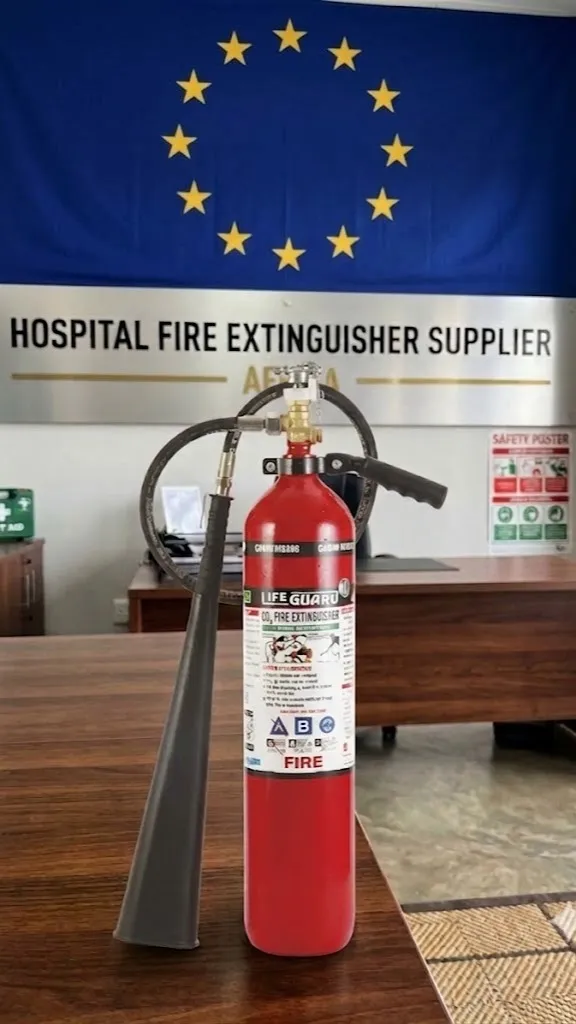
Hospital Fire Suppression Supplier Europe – LIFEGUARD® Advanced Fire Protection Solutions for Healthcare Facilities
Hospitals are among the most demanding environments for fire protection. Unlike ordinary commercial buildings, healthcare facilities operate around the clock and accommodate patients who may not be able to evacuate without assistance. They also contain critical medical equipment, electrical systems, laboratories, server rooms, kitchens, pharmacies, battery-backed power systems, medical storage areas, and other specialised risk zones.
For hospitals, healthcare groups, consultants, contractors, distributors, and project organisations searching for a dependable hospital fire suppression supplier in Europe, LIFEGUARD® – United Fire Equipments Pvt. Ltd. provides a comprehensive portfolio of fire suppression and fire protection solutions for modern healthcare infrastructure.
Our approach focuses on selecting suppression technologies according to the specific fire hazard, protected equipment, room configuration, operational requirement, and project specifications.
Reliable Hospital Fire Suppression Solutions for Europe
A hospital cannot rely on one suppression technology for every risk area. A general patient ward, electrical switch room, server facility, kitchen, laboratory, and medical equipment room all present different fire hazards.
A comprehensive hospital fire suppression strategy may therefore incorporate:
- Clean agent fire suppression systems
- CO₂ fire suppression systems
- Automatic fire detection systems
- Aspirating smoke detection systems
- Localised fire suppression systems
- Portable fire extinguishers
- Kitchen fire suppression solutions
- Electrical panel fire protection
- Server room suppression
- Control room protection
- Battery and specialised equipment fire protection
- Manual release and abort arrangements
- Alarm and notification equipment
LIFEGUARD® supports hospital projects with solutions designed around the actual fire risk rather than a one-size-fits-all approach.
Why Hospitals Require Specialised Fire Suppression
Fire inside a healthcare facility can create serious consequences within a very short period.
A hospital may contain:
- Bedridden patients
- Intensive care patients
- Newborn and neonatal patients
- Elderly occupants
- People under anaesthesia
- Patients connected to life-support equipment
- Visitors unfamiliar with emergency routes
- Large quantities of electrical equipment
- Important patient data and digital infrastructure
- Pharmaceuticals and laboratory materials
- Commercial cooking installations
Because evacuation may be difficult, effective early detection and rapid suppression become particularly important.
A suitable hospital fire suppression system in Europe should therefore be selected as part of the complete fire safety strategy.
Clean Agent Fire Suppression Systems for Hospitals
Clean agent systems are widely considered for environments containing valuable electronic and electrical equipment where conventional water or powder discharge could create unnecessary secondary damage.
Potential hospital applications include:
- Server rooms
- Data centres
- IT rooms
- Medical control rooms
- Communication rooms
- Electrical control rooms
- Diagnostic equipment rooms
- Sensitive electronic areas
- Record and data protection facilities
A properly engineered clean agent system can detect and suppress a developing fire while helping minimise residue and cleanup.
Depending on project specifications, suitable clean agent technologies may be evaluated for individual hospital applications.
FK-5-1-12 Fire Suppression for Healthcare Facilities
FK-5-1-12-based clean agent systems may be considered for selected critical areas where sensitive equipment requires rapid fire suppression without conventional powder residue.
Typical applications can include:
- Hospital server rooms
- Data processing centres
- Electrical rooms
- Medical equipment rooms
- Communication facilities
- Control rooms
- Laboratory equipment areas
A complete engineered system may include:
- Agent storage cylinders
- Cylinder valves
- Discharge piping
- Discharge nozzles
- Detection equipment
- Control panel
- Manual release stations
- Abort switches
- Hooters or sounders
- Warning indicators
- Pressure and discharge accessories
System design should be completed according to the applicable project standard and required design concentration.
HFC-227ea Fire Suppression Systems
HFC-227ea-based suppression systems can also be considered for suitable total-flooding applications involving enclosed technical spaces.
Potential hospital applications include:
- Server rooms
- Control rooms
- Electrical equipment rooms
- Communication rooms
- Records facilities
- Specialised technical areas
The required agent quantity depends on factors such as:
- Room volume
- Design concentration
- Temperature
- Hazard classification
- Enclosure conditions
- Altitude
- Piping arrangement
- Nozzle distribution
Hydraulic flow calculations and system engineering are important to achieve the required discharge characteristics.
CO₂ Fire Suppression Systems for Hospital Utility Areas
Carbon dioxide suppression systems may be considered for suitable unmanned or controlled-access hazards where their use is permitted and where life-safety requirements are properly addressed.
Possible applications may include selected:
- Electrical equipment areas
- Generator-related installations
- Industrial-type hospital utility areas
- Machinery enclosures
- Specialised plant rooms
CO₂ systems require particularly careful safety engineering because carbon dioxide can create a dangerous atmosphere for occupants.
For occupied hospital spaces, the system selection must prioritise applicable life-safety requirements.
Hospital Server Room Fire Suppression
Modern hospitals depend heavily on IT infrastructure.
Hospital servers may support:
- Electronic patient records
- Diagnostic information
- Pharmacy systems
- Billing systems
- Laboratory records
- Medical imaging
- CCTV and security
- Emergency communications
- Building management systems
A fire in the server room could therefore interrupt critical healthcare operations.
LIFEGUARD® can support suitable fire suppression solutions incorporating early detection, automatic alarm, control equipment, and clean-agent suppression for appropriate applications.
Fire Suppression for Hospital Electrical Rooms
Hospital electrical facilities may contain:
- Main distribution panels
- Switchboards
- UPS systems
- Control panels
- Electrical cabinets
- Power distribution equipment
- Battery-backed equipment
Electrical fires require suppression solutions compatible with the protected equipment and operational conditions.
Depending on the hazard, protection may involve:
- Clean agent systems
- CO₂ extinguishers or suppression systems
- Localised suppression
- Smoke or heat detection
- Automatic alarm integration
A detailed hazard assessment should be completed before selecting the final system.
Fire Suppression for Hospital Laboratories
Laboratories may present complex fire risks because they can contain a combination of:
- Electrical equipment
- Flammable materials
- Chemicals
- Diagnostic instruments
- Heating equipment
- Combustible packaging
- Sensitive machinery
For this reason, suppression selection must be based on the actual laboratory activities and materials present.
LIFEGUARD® supports project-specific evaluation for laboratories requiring specialised detection or suppression arrangements.
Hospital Kitchen Fire Suppression Solutions
Large hospitals frequently operate commercial kitchens continuously to provide food for patients, visitors, and staff.
Kitchen hazards can include:
- Heated cooking oils
- Deep-fat fryers
- Cooking ranges
- Exhaust hoods
- Grease deposits
- Electrical cooking equipment
A hospital kitchen fire safety strategy may include:
- Wet chemical fire extinguishers
- Kitchen hood suppression
- Heat detection
- Manual activation
- Alarm interfaces
- Emergency fuel or electrical isolation
The final system should be designed according to the specific cooking equipment and project requirements.
Early Fire Detection for Healthcare Facilities
Effective fire suppression begins with early detection.
Hospitals can benefit from a combination of detection technologies depending on the protected space.
These may include:
- Smoke detectors
- Heat detectors
- Multi-criteria detectors
- Aspirating smoke detection
- Linear heat detection
- Specialised flame detection
Early warning is especially valuable in critical hospital areas where even a small fire can cause service disruption or damage to sensitive equipment.
Aspirating Smoke Detection for Hospital Critical Areas
Aspirating smoke detection systems continuously draw air samples through a network of sampling pipes and analyse them for smoke particles.
This technology can be suitable for environments requiring very early warning, including:
- Hospital server rooms
- Data centres
- Electrical rooms
- Critical communication rooms
- Control rooms
- Sensitive technical areas
Very early detection can allow trained personnel to respond before a developing incident becomes a major fire.
Automatic Fire Suppression Control Systems
Hospital fire suppression installations may require dedicated control and release equipment.
A typical suppression control arrangement can include:
- Fire suppression control panel
- Detection zones
- Cross-zone detection logic
- Manual release switch
- Abort switch
- Hooter
- Flasher
- Warning signage
- Cylinder actuation equipment
- Pressure monitoring
- Building fire alarm interface
The actual control philosophy should correspond with the selected suppression technology and approved project design.
Fire Suppression for Medical Equipment Rooms
Hospitals contain high-value medical equipment that may be sensitive to water, powders, smoke, and corrosive contamination.
Special attention may therefore be required for areas containing:
- Diagnostic equipment
- Medical imaging systems
- Electronic control equipment
- Communication electronics
- Monitoring systems
- Digital medical infrastructure
Where appropriate, clean-agent fire suppression may help protect equipment while reducing conventional extinguishing residue.
Protection for Hospital Data and Record Rooms
Healthcare facilities must protect both physical and digital records.
Fire protection requirements may therefore extend to:
- Server rooms
- Archive rooms
- Medical record rooms
- Digital storage systems
- Document storage
- Communication facilities
The correct solution should be selected according to whether the protected asset is primarily paper-based, electronic, or a combination of both.
Fire Suppression for Hospital Battery and UPS Areas
Hospitals increasingly rely on battery-backed emergency power and uninterrupted power supply systems.
Fire protection planning for these areas should consider:
- Battery technology
- Energy capacity
- Room ventilation
- Electrical hazards
- Heat generation
- Thermal runaway potential
- Fire detection requirements
- Emergency isolation
- Suppression or cooling strategy
Battery fire protection should be treated as a specialised engineering requirement rather than a standard electrical-room application.
Integrated Hospital Fire Protection Solutions
A well-designed hospital fire safety system should combine detection, alarm, suppression, and emergency response.
Depending on the facility, an integrated solution may include:
- Fire alarm systems
- Smoke detection
- Heat detection
- Aspirating smoke detection
- Clean agent suppression
- CO₂ suppression
- Portable fire extinguishers
- Kitchen suppression
- Manual call points
- Sounders
- Hooters
- Flashers
- Release controls
- Emergency interfaces
This integrated approach supports faster warning and more coordinated fire response.
Hospital Fire Suppression Supplier for European Projects
LIFEGUARD® supports enquiries for healthcare projects across Europe from organisations seeking a dependable hospital fire suppression supplier Europe.
We can work with:
- Hospitals
- Healthcare groups
- Fire protection consultants
- EPC contractors
- MEP contractors
- Fire system integrators
- Distributors
- Importers
- Facility management organisations
- Institutional procurement teams
- Government healthcare projects
- Private medical groups
Project requirements can be evaluated according to the required technology, system capacity, hazard, documentation, installation environment, and destination-market requirements.
Hospital Fire Suppression Equipment Supply
Depending on project scope, LIFEGUARD® can support fire suppression system requirements involving components such as:
- Agent cylinders
- Cylinder valves
- Discharge hoses
- Manifolds
- Piping accessories
- Discharge nozzles
- Pressure gauges
- Actuation equipment
- Release panels
- Manual release switches
- Abort switches
- Sounders
- Hooters
- Flashers
- Detection equipment
- System accessories
The actual bill of materials should be developed from the approved system design.
Engineered Fire Suppression System Design
Suppression systems should not be selected merely by room size or approximate agent quantity.
Professional engineering should consider:
- Hazard classification
- Room dimensions
- Net protected volume
- Operating temperature
- Design concentration
- Agent quantity
- Cylinder capacity
- Piping layout
- Pipe diameters
- Nozzle quantity
- Nozzle placement
- Flow distribution
- Discharge time
- Pressure conditions
- Enclosure integrity
- Pressure relief requirements
- Detection and control logic
Where required, hydraulic flow calculations should form part of engineered system design.
Enclosure Integrity for Total Flooding Systems
For a total flooding clean agent system to perform correctly, the protected enclosure must retain the required agent concentration for an appropriate period.
Openings, leakage paths, doors, service penetrations, cable ducts, ventilation systems, and false floors can influence the effectiveness of the system.
Hospital technical rooms may therefore require assessment of:
- Door sealing
- Cable penetrations
- HVAC shutdown
- Damper operation
- Raised-floor leakage
- False-ceiling leakage
- Pressure relief
- Enclosure integrity
These factors should be considered during the system design and commissioning process.
Why Choose LIFEGUARD® as a Hospital Fire Suppression Supplier?
Customers searching for hospital fire suppression solutions in Europe can approach LIFEGUARD® for a combination of fire protection technologies and project-oriented technical support.
Key capabilities include:
- Clean agent fire suppression solutions
- CO₂ suppression systems
- Hospital server room protection
- Electrical room fire protection
- Aspirating smoke detection
- Automatic detection and alarm solutions
- Hospital kitchen fire protection
- Fire suppression accessories
- Portable extinguisher supply
- Technical system selection
- Project-specific engineering support
- OEM and bulk supply capability
- Export-oriented supply support
Applications Across the European Healthcare Sector
Hospital fire suppression solutions may be required for:
- General hospitals
- Private hospitals
- Government hospitals
- Super-speciality hospitals
- Medical colleges
- Nursing homes
- Diagnostic centres
- Pathology laboratories
- Cancer hospitals
- Rehabilitation centres
- Emergency medical centres
- Research hospitals
- Dental hospitals
- Healthcare campuses
- Medical laboratories
Every project should be assessed according to its specific hazard and operational requirements.
Importance of Maintenance and Inspection
Fire suppression systems must remain ready for operation throughout their service life.
A maintenance programme may include:
- Cylinder pressure inspection
- Agent quantity verification
- Hose condition checks
- Valve inspection
- Nozzle inspection
- Detection system testing
- Control panel testing
- Manual release testing
- Abort switch checking
- Alarm verification
- Piping inspection
- System documentation review
Maintenance procedures and frequency should follow the applicable system, manufacturer, and regulatory requirements.
Compliance Considerations for Europe
Fire protection requirements can differ between European countries and project types.
Before finalising any system, customers should verify applicable requirements relating to:
- Fire suppression technology
- Product certification
- Pressure equipment
- Fire detection
- Installation standards
- Environmental requirements
- Building regulations
- Occupational safety
- Maintenance
- Documentation
- Local authority approval
LIFEGUARD® can support project discussions based on the technical and documentation requirements communicated by the customer.
Frequently Asked Questions
What is the best fire suppression system for a hospital?
There is no single fire suppression system suitable for every hospital area. Clean agent systems may be appropriate for server and electrical rooms, while kitchens, utility spaces, laboratories, and battery installations may require different protection technologies.
Which fire suppression system is suitable for hospital server rooms?
Clean agent total flooding systems are often considered for server rooms because they can provide rapid suppression while avoiding conventional powder residue. Final selection should be based on the room design and applicable requirements.
Can clean agent systems protect hospital electrical rooms?
Yes, suitable clean agent systems may be considered for enclosed electrical and control rooms where sensitive equipment requires protection. Proper system engineering is essential.
Does a hospital need automatic fire suppression?
Automatic suppression is often considered for critical or high-value areas where early intervention is important. The requirement depends on the fire risk assessment, applicable regulations, and project specifications.
Can fire suppression systems be integrated with the hospital fire alarm system?
Yes. Suppression control panels can typically be interfaced with the main fire alarm or building management arrangement according to the approved cause-and-effect philosophy.
Does LIFEGUARD® supply hospital fire suppression systems for Europe?
LIFEGUARD® can support European project enquiries subject to confirmation of the required technical specifications, system approval requirements, certifications, quantities, and destination-country regulations.
SEO Keywords
Primary Keyword: Hospital Fire Suppression Supplier Europe
Secondary Keywords: hospital fire suppression system Europe, hospital fire suppression solutions Europe, hospital fire protection supplier Europe, healthcare fire suppression supplier Europe, hospital clean agent suppression Europe, hospital server room fire suppression Europe, hospital electrical room suppression Europe, hospital automatic fire suppression system, healthcare fire protection solutions Europe, clean agent system supplier Europe, hospital fire safety system supplier Europe, hospital fire suppression equipment supplier.
Suggested SEO Meta Title
Hospital Fire Suppression Supplier Europe | LIFEGUARD®
Suggested Meta Description
LIFEGUARD® supplies hospital fire suppression solutions for Europe, including clean agent systems, CO₂ suppression, early fire detection, server room protection, electrical room suppression and healthcare fire safety equipment.
Suggested URL Slug
/hospital-fire-suppression-supplier-europe/
Contact LIFEGUARD®
United Fire Equipments Pvt. Ltd.
Manufacturer of ISI Certified Fire Safety Equipment
📞 8048034226
Keywords






