
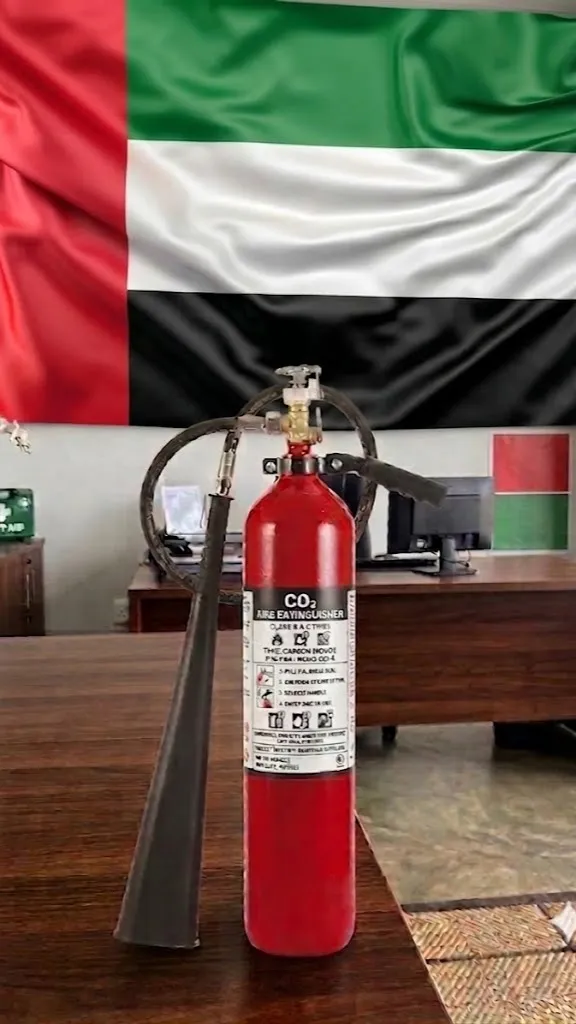
Hospital Fire Suppression Supplier UAE – Advanced Fire Protection Solutions for Healthcare Facilities
Hospitals require a highly dependable fire protection strategy because they operate continuously, contain critical medical equipment, accommodate patients with limited mobility, and include several high-risk areas such as electrical rooms, laboratories, kitchens, server rooms, UPS installations and utility areas.
For hospitals, fire protection cannot depend only on portable fire extinguishers. Critical areas may require automatic fire detection and suppression systems capable of detecting a developing fire and controlling it rapidly while protecting people, medical infrastructure and business continuity.
LIFEGUARD® – United Fire Equipments Pvt. Ltd. provides specialised fire protection equipment and engineered solutions for customers searching for a reliable hospital fire suppression supplier in UAE.
Our hospital fire suppression solutions can be configured according to the protected hazard, room size, equipment sensitivity, fire load, operational conditions and project specifications.
Reliable Hospital Fire Suppression Supplier in UAE
Healthcare buildings contain many different fire hazards under one roof. A hospital data centre requires a very different suppression approach from a commercial kitchen, electrical room, laboratory or generator facility.
LIFEGUARD® supports project-specific fire suppression requirements for:
- Government hospitals
- Private hospitals
- Multi-speciality hospitals
- Super-speciality hospitals
- Medical colleges
- Healthcare campuses
- Diagnostic centres
- Pathology laboratories
- Emergency care centres
- Research laboratories
- Medical equipment rooms
- Pharmaceutical facilities
- Blood banks
- Nursing homes
- Rehabilitation centres
- Clinics
- Healthcare data centres
Our objective is to provide a suitable suppression technology for each identified risk rather than applying a single system throughout the hospital.
Why Fire Suppression Systems Are Important in Hospitals
Hospital fires present unique challenges because conventional evacuation may not always be immediately possible.
Some patients may be:
- Bedridden
- Under intensive care
- Connected to medical equipment
- Undergoing surgery
- Dependent on life-support systems
- Unable to move without assistance
A hospital fire can also affect essential services such as electrical power, communication, medical gases, IT infrastructure and diagnostic equipment.
Automatic fire suppression systems can therefore form an important component of a wider hospital fire and life safety strategy.
LIFEGUARD® Hospital Fire Suppression Solutions UAE
Depending on the application and project requirement, healthcare fire protection may incorporate several types of suppression technologies.
Clean Agent Fire Suppression Systems
Clean agent fire suppression systems are designed for sensitive environments where minimising damage to electronic equipment is an important consideration.
The extinguishing agent is discharged through an engineered piping and nozzle network into the protected enclosure to achieve the required design concentration.
Potential hospital applications include:
- Server rooms
- Data centres
- Electrical control rooms
- Communication rooms
- Medical equipment rooms
- UPS rooms
- Control centres
- Hospital IT infrastructure
- Archive rooms
- Critical electronic facilities
Advantages of Clean Agent Suppression
Depending on the selected system and approved design, clean agent systems can provide:
- Rapid extinguishing action
- Minimal extinguishing residue
- Protection of sensitive electronics
- Automatic operation
- Integration with fire detection
- Centralised system monitoring
- Engineered total-flooding protection
LIFEGUARD® can support clean agent system requirements according to the protected area and project design.
FK-5-1-12 Fire Suppression Systems
FK-5-1-12 is used in engineered clean agent suppression applications where sensitive electrical and electronic equipment requires protection without the residue associated with conventional extinguishing media.
Hospital applications may include:
- Data centres
- Server rooms
- Electrical control rooms
- Communication centres
- Diagnostic support rooms
- Control panels
- Critical IT environments
- Sensitive equipment rooms
A complete engineered system can include:
- Agent storage cylinder
- Cylinder valve assembly
- Actuation system
- Distribution piping
- Discharge nozzles
- Detection system
- Gas release panel
- Manual release station
- Abort station
- Alarm devices
- Pressure monitoring components
System design must be based on the actual enclosure characteristics, hazard and applicable project requirements.
HFC-227ea Fire Suppression Systems
HFC-227ea-based suppression systems may also be specified for certain special-hazard applications, subject to applicable environmental, authority and project requirements.
These systems are commonly associated with enclosed areas containing electrical and electronic equipment where residue-free extinguishing is desired.
Applications may include:
- Electrical equipment rooms
- Control rooms
- Server facilities
- Communication rooms
- Technical rooms
- Specialised healthcare infrastructure
The suitability of the extinguishing agent should be reviewed for each project before final system selection.
Inert Gas Fire Suppression Systems
Inert gas suppression technology can be considered for selected critical environments where an engineered gaseous suppression solution is required.
Typical applications may include:
- Data rooms
- Communication rooms
- Electrical rooms
- Archive areas
- Selected critical infrastructure
The system normally incorporates an engineered cylinder bank, piping network, discharge nozzles, detection and control arrangement.
Room conditions and occupant safety requirements must be considered during system engineering.
High-Pressure Water Mist Fire Suppression
Water mist systems use fine water droplets to help control fire through cooling and interaction with the fire environment while typically using less water than conventional large-droplet water discharge approaches.
Depending on the approved design and application, hospital water mist solutions may be considered for selected:
- Plant rooms
- Generator areas
- Mechanical spaces
- Utility areas
- Machinery hazards
- Equipment rooms
- Special risk locations
Water mist system design requires evaluation of:
- Fire hazard
- Nozzle type
- Nozzle spacing
- Operating pressure
- Water supply
- Pump arrangement
- Protected volume
- Equipment configuration
A properly engineered system should be selected according to the intended application and applicable approval requirements.
Hospital Kitchen Fire Suppression Systems
Hospital kitchens operate for extended periods and can contain high-temperature cooking equipment, cooking oils, grease and ventilation systems.
Because cooking oil fires can behave differently from ordinary combustible fires, commercial kitchens may require dedicated automatic suppression arrangements.
Hospital kitchen fire suppression can protect:
- Fryers
- Cooking ranges
- Griddles
- Hoods
- Plenums
- Exhaust ducts
- Cooking appliances
- Commercial kitchen equipment
The system can be integrated with alarm and equipment shutdown functions where required by the approved design.
Fire Suppression for Hospital Server and Data Rooms
Modern hospitals depend heavily on IT systems.
Hospital data infrastructure may support:
- Electronic health records
- Patient databases
- Medical imaging
- Laboratory information systems
- Pharmacy systems
- Communication networks
- Security systems
- Building management systems
- Clinical applications
A fire inside a server room can interrupt vital hospital operations even if the fire is relatively small.
For this reason, hospital server rooms may require a combination of:
- Early smoke detection
- Fire alarm systems
- Clean agent suppression
- Engineered discharge nozzles
- Automatic release controls
- Manual release arrangements
- Abort facilities
- Alarm indication
LIFEGUARD® can support project-specific suppression solutions for critical hospital IT areas.
Fire Suppression for Hospital Electrical Rooms
Electrical infrastructure represents another critical hospital risk.
Hospitals rely on continuous power for:
- Operating theatres
- ICUs
- Diagnostic equipment
- Ventilators
- Medical laboratories
- Emergency lighting
- Communication equipment
- Hospital IT systems
Fire protection may therefore be required for:
- Electrical rooms
- Switchgear rooms
- MCC rooms
- Distribution panels
- Control panels
- UPS rooms
- Transformer-related areas
- Emergency electrical systems
The appropriate suppression technology should be selected according to the electrical hazard, enclosure conditions and project requirements.
Fire Suppression for UPS and Battery Rooms
Hospitals increasingly rely on UPS and battery backup installations to maintain critical operations during electrical interruptions.
Battery-related hazards require careful assessment based on:
- Battery chemistry
- Battery configuration
- Energy capacity
- Rack arrangement
- Ventilation
- Room size
- Electrical infrastructure
- Manufacturer recommendations
Depending on the hazard, the fire protection strategy may incorporate:
- Early detection
- Smoke detection
- Aspirating detection
- Temperature monitoring
- Gas detection where applicable
- Alarm integration
- Suitable suppression technology
Battery fire protection should always be designed around the actual battery technology and tested or approved application requirements.
Fire Suppression for Hospital Laboratories
Hospital and medical laboratories can contain a mixture of:
- Electrical equipment
- Chemicals
- Solvents
- Combustible materials
- Testing instruments
- Research equipment
- Storage cabinets
Because laboratory risks vary considerably, suppression technology must be selected according to the actual materials and processes involved.
A laboratory fire risk assessment should consider the nature and quantity of stored materials before specifying the suppression system.
Fire Suppression for Diagnostic Equipment Areas
Hospitals make significant investments in sophisticated diagnostic equipment.
Potential protected areas may include facilities associated with:
- CT scanners
- X-ray equipment
- Laboratory analysers
- Computerised diagnostic systems
- Medical imaging infrastructure
- Monitoring systems
- Electrical control equipment
Where suppression is required, the extinguishing medium should be compatible with the equipment and surrounding risk.
Fire Detection and Automatic Release
A properly designed automatic suppression system normally works together with fire detection and control equipment.
Depending on the system architecture, components may include:
- Smoke detectors
- Heat detectors
- Multi-criteria detectors
- Aspirating smoke detection
- Gas release panel
- Manual release station
- Abort switch
- Sounder
- Hooter
- Flasher
- Pressure switch
- Interface modules
- Fire alarm panel integration
Cross-zoned or other approved detection logic can be implemented where required to reduce the possibility of unintended suppression discharge.
Aspirating Smoke Detection for Critical Hospital Areas
Aspirating smoke detection can be particularly valuable where very early warning of a developing fire is required.
The system continuously samples air through a network of pipes and sampling points and analyses the sampled air for smoke particles.
Possible hospital applications include:
- Data centres
- Server rooms
- Electrical rooms
- Communication rooms
- Critical medical infrastructure
- Selected sensitive technical spaces
Early warning may allow hospital engineering teams to investigate developing conditions before they escalate.
Components of an Engineered Hospital Fire Suppression System
Depending on the selected technology, an engineered suppression system may consist of:
- Agent storage cylinders
- Cylinder valves
- Manifold arrangement
- Flexible discharge hoses
- Distribution piping
- Discharge nozzles
- Pressure monitoring equipment
- Solenoid or electrical actuation
- Manual actuation
- Detection devices
- Gas release panel
- Alarm sounders
- Visual alarms
- Manual release station
- Abort switch
- Supervisory interfaces
- Fire alarm system integration
Every component should be selected according to the system design and approved project specification.
Hospital Fire Suppression System Design
Fire suppression performance depends heavily on correct engineering.
Important design considerations include:
Protected Volume
For total-flooding gaseous systems, the enclosure dimensions and net protected volume must be established accurately.
Fire Hazard
The actual combustible and electrical hazards influence the required extinguishing technology.
Design Concentration
For gaseous suppression systems, the required agent concentration must be established according to the approved design criteria.
Cylinder Capacity
The quantity of extinguishing agent determines the required cylinder configuration.
Pipe Network
Pipe diameter, length, fittings and layout affect system discharge characteristics.
Nozzle Placement
Nozzles must be positioned to provide appropriate agent distribution throughout the protected area.
Room Integrity
Total-flooding systems depend on the enclosure being capable of maintaining the required extinguishing concentration for the necessary period.
Ventilation and Openings
HVAC systems, doors, dampers and other openings should be considered during system design.
Detection Logic
Detection and suppression release arrangements must match the intended fire response sequence.
Hospital Fire Suppression System Sequence of Operation
A typical automatic gaseous suppression arrangement may operate through a sequence such as:
Stage 1 – Fire Detection
A detector identifies a possible fire condition and initiates the first alarm.
Stage 2 – Confirmed Detection
A second approved detection signal confirms the suppression release condition where cross-zoning is used.
Stage 3 – Pre-Discharge Warning
Audible and visual alarms warn occupants and personnel before agent discharge.
Stage 4 – Time Delay
A programmed delay may provide time for evacuation or operational response where required.
Stage 5 – System Discharge
The suppression agent is released through the engineered piping and nozzle network.
Stage 6 – System Indication
The suppression control panel communicates discharge or system status to the relevant alarm or monitoring system.
The actual cause-and-effect sequence must follow the approved project design.
Room Integrity for Gaseous Fire Suppression
For total-flooding clean agent systems, the integrity of the protected enclosure is an important consideration.
Uncontrolled leakage through:
- Doors
- Cable openings
- Wall penetrations
- Raised floors
- Ceiling voids
- Ventilation openings
can affect the ability of the enclosure to maintain the required extinguishing concentration.
Where required by the system design, enclosure integrity testing can help evaluate whether the protected space can retain the extinguishing agent effectively.
Applications of Hospital Fire Suppression Systems
LIFEGUARD® fire suppression solutions can be considered for:
- Hospital server rooms
- Data centres
- Electrical rooms
- UPS rooms
- Control rooms
- Communication rooms
- Critical equipment rooms
- Diagnostic support facilities
- Laboratories
- Medical record rooms
- Hospital kitchens
- Generator areas
- Plant rooms
- Utility rooms
- Special hazard areas
- Selected battery installations
Hospital Fire Suppression Supplier for Dubai
Healthcare infrastructure in Dubai includes large hospitals, specialist medical centres, diagnostic facilities and healthcare campuses requiring dependable fire and life safety systems.
LIFEGUARD® can support customers looking for hospital fire suppression suppliers in Dubai with project-specific suppression equipment and technical solutions.
Hospital Fire Suppression Supplier Abu Dhabi
Hospital and healthcare projects in Abu Dhabi may require sophisticated suppression solutions for critical infrastructure and sensitive medical environments.
LIFEGUARD® supports enquiries for hospital fire suppression systems in Abu Dhabi according to project specifications and applicable approval requirements.
Hospital Fire Suppression Solutions Across UAE
Our solutions can support healthcare fire protection projects across:
- Dubai
- Abu Dhabi
- Sharjah
- Ajman
- Ras Al Khaimah
- Fujairah
- Umm Al Quwain
We work with requirements from:
- Healthcare organisations
- Fire protection contractors
- MEP contractors
- Consultants
- EPC companies
- System integrators
- Facility management organisations
- Procurement companies
- Project developers
- Distributors
New Hospital Fire Suppression Projects
For new healthcare facilities, suppression systems should ideally be coordinated during the design phase.
Early planning enables consideration of:
- Protected room dimensions
- Fire hazard
- Agent selection
- Cylinder location
- Pipe routes
- Nozzle positioning
- Detection arrangement
- Alarm integration
- HVAC shutdown
- Electrical interfaces
- Release controls
- Maintenance accessibility
This can reduce design conflicts and improve integration with other building services.
Fire Suppression Upgrades for Existing Hospitals
Existing hospitals may need upgrades when:
- Server infrastructure is expanded
- New electrical rooms are created
- UPS capacity increases
- Battery systems are installed
- Medical equipment is upgraded
- Laboratories are expanded
- Kitchens are renovated
- Existing suppression equipment reaches replacement stage
- Room layouts change
The existing risk and infrastructure should be reassessed before modifying a suppression system.
Why Choose LIFEGUARD® as a Hospital Fire Suppression Supplier UAE?
Engineering-Focused Approach
Suppression systems should be engineered around the actual protected hazard rather than selected only by cylinder size or room area.
Multiple Suppression Technologies
LIFEGUARD® can support different fire suppression approaches for different healthcare risks.
Solutions for Sensitive Infrastructure
We understand the importance of protecting medical, electrical and electronic equipment while minimising disruption to critical hospital operations.
Detection and Suppression Integration
Suppression systems can be coordinated with compatible detection, alarm and control arrangements according to project requirements.
Support for Project Documentation
Technical documentation can be coordinated for consultants, contractors, tender requirements and project approvals.
Healthcare Project Support
Solutions can address individual technical rooms as well as larger healthcare facilities and multi-building hospital campuses.
Frequently Asked Questions
What is the best fire suppression system for a hospital?
There is no single suppression system suitable for every hospital area. Selection depends on the protected hazard. Clean agents may be considered for sensitive electronic environments, while kitchens, plant rooms, laboratories and other risks may require different suppression technologies.
Which suppression system is suitable for hospital server rooms?
Engineered clean agent suppression is commonly considered for server and data rooms where protection of sensitive electronics and minimisation of extinguishing residue are important.
Can fire suppression systems operate automatically?
Yes. Engineered suppression systems can be integrated with compatible fire detection and control equipment for automatic activation, subject to the approved cause-and-effect design.
Can suppression systems be connected to the hospital fire alarm panel?
Where compatible and required by the approved design, system status, alarm and release information can be interfaced with the main fire alarm or building monitoring system.
Does a clean agent system require room integrity?
For total-flooding systems, enclosure integrity is important because excessive leakage can affect agent retention and suppression performance.
Can LIFEGUARD® supply fire suppression systems for hospitals in UAE?
Yes. LIFEGUARD® supports project requirements for hospitals, healthcare centres and associated technical facilities in the UAE, subject to system specifications and applicable local approval requirements.
LIFEGUARD® – Hospital Fire Suppression Supplier UAE
Healthcare facilities require fire protection systems that respond rapidly while supporting patient safety, critical infrastructure protection and continuity of essential medical services.
For contractors, consultants, healthcare organisations, system integrators and project developers searching for a dependable hospital fire suppression supplier in UAE, LIFEGUARD® offers specialised solutions for critical healthcare risks.
From server rooms and electrical facilities to laboratories, kitchens, UPS rooms and specialised hospital infrastructure, LIFEGUARD® can support engineered fire suppression requirements based on the specific hazard and project specification.
SEO Keywords
Primary Keyword: Hospital Fire Suppression Supplier UAE
Secondary Keywords: hospital fire suppression system UAE, hospital fire protection supplier UAE, hospital clean agent system UAE, healthcare fire suppression UAE, hospital fire suppression Dubai, hospital fire suppression Abu Dhabi, hospital fire safety supplier UAE, fire suppression system for hospitals UAE, hospital server room fire suppression UAE, healthcare fire protection system UAE, clean agent suppression supplier UAE, hospital automatic fire suppression UAE, hospital fire protection solutions UAE.
SEO Meta Title
Hospital Fire Suppression Supplier UAE | LIFEGUARD®
SEO Meta Description
LIFEGUARD® is a hospital fire suppression supplier for UAE projects, offering clean agent, automatic suppression, detection integration and specialised fire protection solutions for healthcare facilities.
Suggested URL Slug
/hospital-fire-suppression-supplier-uae/
Suggested H1
Hospital Fire Suppression Supplier UAE
Suggested Image ALT Text
Hospital fire suppression supplier UAE – LIFEGUARD®
Suggested Schema-Friendly Short Description
LIFEGUARD® provides engineered hospital fire suppression solutions for UAE healthcare projects, including clean agent systems, detection integration and specialised suppression for server rooms, electrical rooms, kitchens and other critical hospital areas.
Contact LIFEGUARD®
United Fire Equipments Pvt. Ltd.
Manufacturer of ISI Certified Fire Safety Equipment
📞 8048034226
📧 ufe126@gmail.com | info@lifeguardindia.in
Compliance Note: Final fire suppression agent selection, design concentration, cylinder sizing, piping, nozzle arrangement, system interfaces, installation and commissioning should be based on the specific hazard, approved system design, applicable UAE authority requirements and project specifications.
Keywords






