
Commercial buildings today contain far more complex infrastructure than they did a decade ago. Modern offices, retail complexes, hospitals, educational institutions, and mixed-use developments depend heavily on electrical systems, HVAC networks, IT infrastructure, and automated operations.
As commercial infrastructure expands across Delhi, selecting the right fire suppression system has become a major safety and compliance priority.
Many building owners assume that all suppression systems perform the same function. In reality, the correct solution depends on occupancy type, fire load, equipment sensitivity, and operational requirements.
The first step is understanding the building’s risk profile.
For example:
- Office spaces may prioritize clean agent systems for server rooms
- Warehouses may require foam or water-based suppression
- Electrical control rooms need non-conductive extinguishing solutions
- Commercial kitchens often require specialized wet chemical systems
- Battery storage areas demand lithium-ion fire suppression strategies
Automatic fire detection and suppression systems are increasingly preferred because they reduce response time during emergencies.
When evaluating suppression systems, commercial property managers should consider:
- Building size and layout
- Occupancy density
- Nature of combustible materials
- Electrical infrastructure
- Ventilation systems
- Local fire compliance requirements
- Future scalability
System integration is also important. Fire alarms, smoke detectors, emergency exits, sprinklers, and suppression units should function as part of a coordinated safety network.
One common mistake is selecting systems based only on installation cost. Long-term maintenance, downtime reduction, and equipment protection are equally important.
For instance, water-based suppression systems may be effective in some commercial spaces but unsuitable for high-value electronics or sensitive documentation areas.
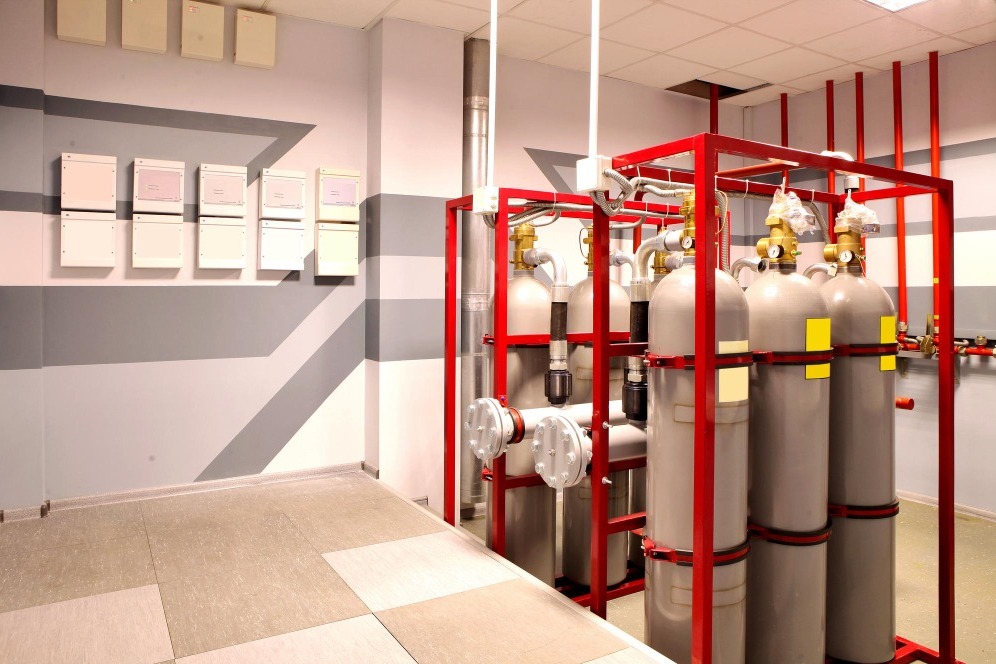
Clean agent systems are often selected for environments where business continuity is critical.
Commercial developers in Delhi are increasingly integrating fire safety planning during early-stage construction rather than retrofitting systems later.
This approach offers several advantages:
- Better infrastructure integration
- Improved compliance planning
- Reduced modification costs
- Enhanced occupant safety
- More efficient evacuation design
Another key factor is maintenance accessibility. Fire suppression systems require regular inspections, pressure checks, sensor calibration, and operational testing.
Buildings with inadequate maintenance planning often experience system failures during emergencies.
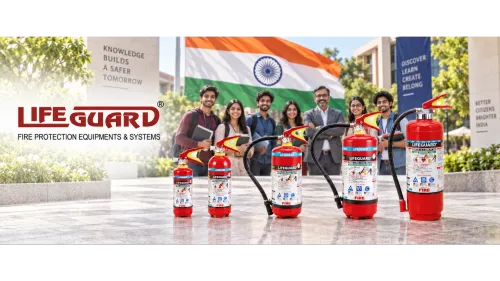
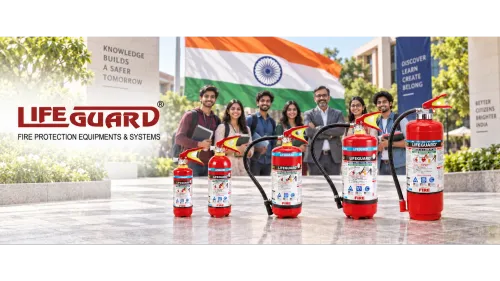
Portable fire extinguishers also remain essential even in buildings with automatic suppression systems. Different extinguisher types should be positioned according to identified hazards.
Commercial buildings commonly require:
- CO2 extinguishers for electrical risks
- ABC extinguishers for general hazards
- Clean agent systems for server rooms
- Hydrant systems for large-area coverage
Businesses operating in Delhi’s high-density commercial zones should also consider evacuation complexity. Suppression systems should support occupant safety alongside property protection.
United Fire Equipments Pvt. Ltd. provides fire suppression systems for commercial buildings, including integrated detection systems, extinguishers, hydrant infrastructure, and clean agent solutions tailored to modern facilities.
Choosing the right suppression system is ultimately about matching fire protection capabilities to real operational risks. Buildings that implement well-planned safety infrastructure are better prepared to reduce losses, improve compliance, and protect both occupants and critical assets.