
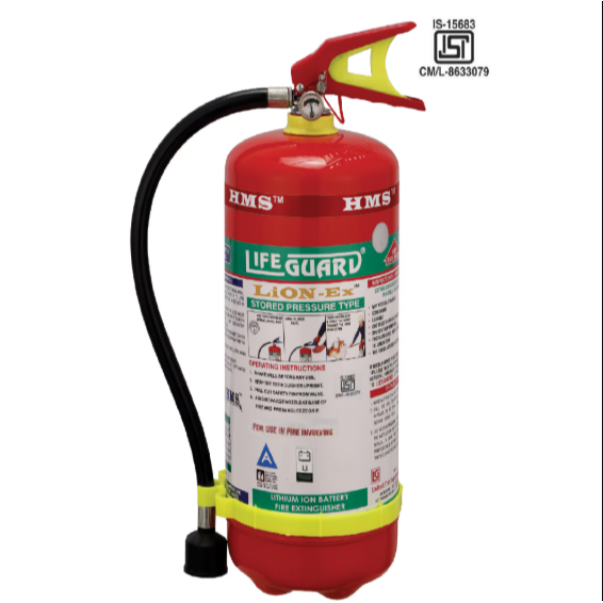
Fire extinguishers are one of the first lines of defence during the early stages of a fire. However, choosing the wrong type of extinguisher can reduce its effectiveness and, in some cases, make the situation more dangerous. Selecting the right HMS Fire Extinguisher depends on understanding the fire risks present in your workplace and matching them with the appropriate extinguishing agent.
Whether you manage an office, warehouse, factory, hospital, educational institution, or commercial building in Delhi, having the correct fire extinguisher is an important part of workplace safety and emergency preparedness.
Why the Right Fire Extinguisher Matters
Not all fires are the same. Fires involving paper, electrical equipment, cooking oils, or flammable liquids each require different methods of suppression.
Using an unsuitable extinguisher may:
- Fail to control the fire
- Increase the spread of flames
- Damage valuable equipment
- Create additional safety hazards
- Delay emergency response
A properly selected extinguisher helps control small fires before they develop into larger incidents.
Understanding Different Fire Classes
Knowing the type of fire hazard is the first step in choosing an extinguisher.
Class A Fires
These involve ordinary combustible materials such as:
- Wood
- Paper
- Cloth
- Plastic
Class B Fires
These involve flammable liquids including:
- Petrol
- Diesel
- Paints
- Solvents
- Oils
Class C Fires
These involve flammable gases such as LPG, propane, and other industrial gases.
Electrical Fires
Electrical equipment, control panels, switchboards, and servers require extinguishers that are safe for energised electrical installations.
Kitchen Fires
Commercial kitchens often require specialised extinguishers designed for cooking oils and fats.
Types of HMS Fire Extinguishers
Different extinguishing agents are designed for specific fire hazards.
Some commonly used options include:
Water-Based Extinguishers
Suitable for Class A fires involving ordinary combustible materials.
Foam Extinguishers
Effective for Class A and many Class B fires involving flammable liquids.
Dry Chemical Powder Extinguishers
Versatile extinguishers capable of handling multiple fire classes, depending on the formulation.
Carbon Dioxide (CO₂) Extinguishers
Frequently used for electrical fires because they leave no residue and help protect sensitive equipment.
Wet Chemical Extinguishers
Designed specifically for commercial kitchen fires involving cooking oils and fats.
Choosing the Right Extinguisher for Your Industry
Different workplaces require different fire protection strategies.
Offices
Typically require water, foam, and CO₂ extinguishers depending on electrical equipment and general fire risks.
Manufacturing Plants
Often need combinations of powder, foam, and specialised extinguishers based on production processes.
Warehouses
Fire protection depends on stored materials, packaging, and inventory.
Hospitals
Require extinguishers suitable for electrical equipment while ensuring patient safety.
Commercial Buildings
Usually include multiple extinguisher types to address different fire risks throughout the property.
Placement Is Just as Important
Even the best extinguisher provides limited value if it cannot be accessed quickly.
Good practices include:
- Install extinguishers near exits.
- Keep them clearly visible.
- Avoid blocking access.
- Provide appropriate signage.
- Position units according to applicable fire safety standards.
Proper placement allows occupants to respond quickly during emergencies.
Maintenance Cannot Be Ignored
Fire extinguishers require routine inspection to remain reliable.
Regular maintenance should include:
- Pressure checks
- Seal inspection
- Hose examination
- Cylinder condition assessment
- Refilling after use
- Periodic servicing by qualified professionals
Neglecting maintenance can result in equipment failure when it is needed most.
Frequently Asked Questions
Can one extinguisher handle every type of fire?
No. Different fire hazards require different extinguishing agents. A professional assessment helps determine the right combination for each workplace.
How often should extinguishers be inspected?
Visual inspections should be performed regularly, while detailed servicing should follow applicable fire safety standards and manufacturer recommendations.
Are extinguishers enough for industrial facilities?
Fire extinguishers are important for first-response situations, but many industrial environments also require automatic fire detection and suppression systems.
Can older extinguishers be replaced with newer models?
Yes. Upgrading to modern extinguishers that meet current fire safety requirements helps improve workplace protection.
Selecting the right HMS Fire Extinguisher is an important step in creating a safer working environment. When combined with proper maintenance, employee training, and a comprehensive fire protection strategy, the correct extinguisher can significantly improve emergency preparedness. United Fire Equipment Pvt Ltd assists businesses across Delhi in selecting fire safety equipment suited to their specific operational risks and compliance requirements.