
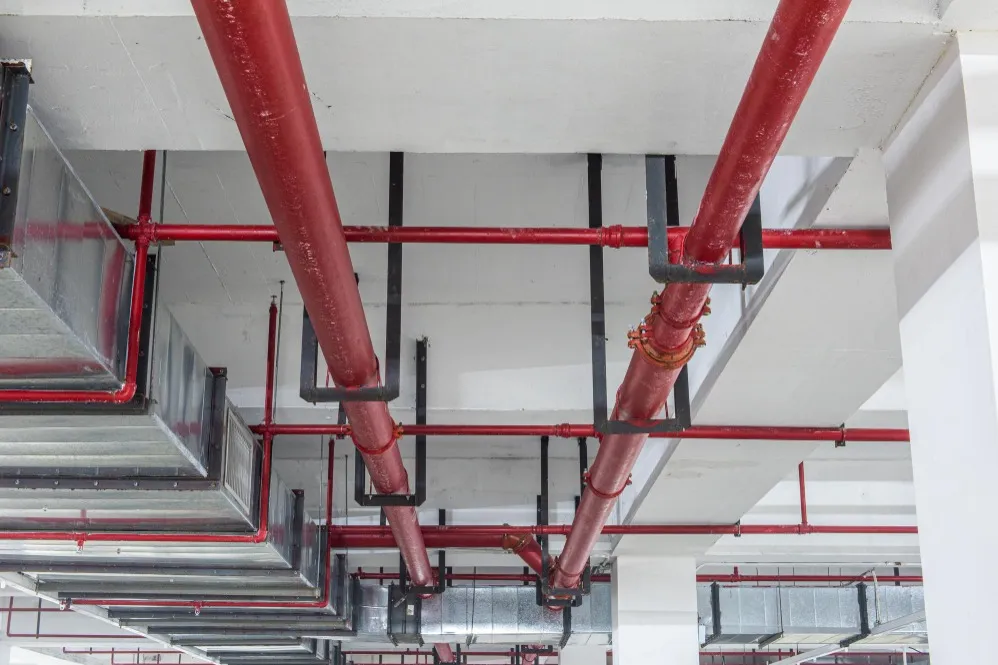
Fire safety is no longer limited to installing a few smoke detectors or keeping fire extinguishers near exits. Today's commercial buildings, industrial facilities, hospitals, educational institutions, and data centres require a coordinated strategy that brings multiple safety technologies together. This is where integrated fire protection systems play a vital role.
As infrastructure continues to grow across Delhi, building owners are recognising that isolated fire safety measures are often not enough. An integrated approach improves response times, enhances occupant safety, and supports better emergency management.
What Is an Integrated Fire Protection System?
An integrated fire protection system combines multiple fire safety components into one coordinated network.
Instead of operating independently, systems such as fire detection, suppression, alarms, emergency communication, smoke management, and building automation work together to respond quickly when a fire occurs.
The objective is to ensure that every safety component communicates effectively, reducing delays and improving overall protection.
Components of an Integrated Fire Protection System
Although every building has unique requirements, most integrated systems include several core elements.
Fire Detection
Smoke, heat, flame, and gas detectors continuously monitor different areas of the building.
Fire Alarm System
Once a hazard is detected, alarms notify occupants while simultaneously informing the control panel.
Automatic Fire Suppression
Depending on the fire risk, suppression systems may use water, foam, clean agents, or other specialised extinguishing media.
Emergency Communication
Voice evacuation systems and public address systems help occupants receive clear instructions during emergencies.
Smoke Control Systems
Smoke extraction and ventilation systems improve visibility and reduce smoke accumulation during evacuation.
Building Management System Integration
Modern buildings often integrate fire safety with access control, HVAC systems, lifts, and emergency power management.
Why Integration Matters
Fire emergencies develop rapidly. Delays caused by disconnected safety systems can increase damage and risk.
Integration allows different systems to respond together.
For example:
- Fire detection activates alarms.
- Emergency exits unlock automatically.
- Elevators move to designated floors.
- Smoke extraction begins operating.
- Fire suppression activates where required.
- Building operators receive instant notifications.
This coordinated response improves both safety and operational efficiency.
Industries That Benefit Most
Integrated fire protection systems are valuable in many sectors.
They are commonly used in:
- Commercial office complexes
- Manufacturing facilities
- Hospitals
- Hotels
- Shopping malls
- Educational institutions
- Airports
- Metro stations
- High-rise residential buildings
- Warehouses
- Data centres
Large facilities in Delhi often require integrated systems to manage complex fire safety requirements effectively.
Advantages of an Integrated Approach
Faster Emergency Response
Multiple systems communicate instantly, reducing valuable response time.
Better Occupant Safety
Coordinated alarms and evacuation procedures help people leave the building safely.
Reduced Fire Damage
Early suppression and smoke control minimise damage to equipment and infrastructure.
Improved Compliance
Integrated systems help support building fire safety regulations and inspection requirements.
Centralised Monitoring
Facility managers can monitor the entire fire protection system from a single control interface.
Easier Maintenance
Centralised diagnostics make it easier to identify faults and schedule preventive maintenance.
Common Mistakes During Planning
Some organisations install fire safety equipment without considering system compatibility.
Common planning mistakes include:
- Using equipment that cannot communicate with other systems
- Ignoring future building expansion
- Inadequate detector placement
- Delayed maintenance planning
- Failing to perform periodic system testing
Proper planning during the design stage helps avoid expensive upgrades later.
Maintenance Remains Essential
Even integrated systems require ongoing inspection.
Routine maintenance should include:
- Detector calibration
- Alarm testing
- Suppression system inspection
- Communication system verification
- Smoke control testing
- Software updates
- Battery and backup power checks
A well-maintained system is far more likely to perform effectively during an actual emergency.
Frequently Asked Questions
Are integrated systems suitable for small commercial buildings?
Yes. Integration can be scaled according to the size and complexity of the building.
Can existing buildings be upgraded?
Many older buildings can integrate modern fire detection and suppression technologies through phased upgrades.
Does integration increase reliability?
Yes. Coordinated communication between systems reduces delays and helps emergency procedures operate more efficiently.
Are these systems customised?
Every building has different fire risks, occupancy levels, and operational needs, so integrated fire protection systems are typically designed specifically for each facility.
As fire safety standards continue to evolve, integrated fire protection systems are becoming an essential investment for organisations that value operational continuity and occupant safety. United Fire Equipment Pvt Ltd works with businesses across Delhi to develop integrated fire protection solutions that align with modern building requirements while addressing industry-specific risks.
Keywords






