
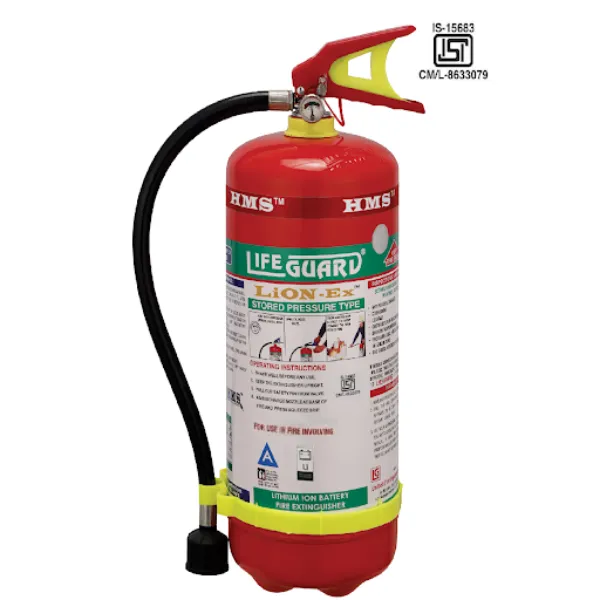
Lithium-ion batteries now power electric vehicles, energy storage units, industrial equipment, data systems, mobility devices, backup power installations, plus many other applications. Their high energy density makes them useful, yet it also creates a distinct fire risk. A damaged cell can enter thermal runaway, producing intense heat, flammable gases, rapid fire development, plus possible re-ignition.
A Lithium Battery Fire Suppression System is designed around these special hazards. Unlike conventional fire protection intended mainly for ordinary combustible materials, battery-focused protection considers cell chemistry, heat generation, enclosure design, battery configuration, ventilation, plus potential propagation from one cell to nearby cells.
Why Lithium Battery Fires Need Special Attention
A lithium-ion battery incident can develop due to several causes
- Internal cell defects
- Mechanical damage
- Electrical faults
- Excessive charging
- High operating temperatures
- Battery management failures
- External heat exposure
- Manufacturing defects
- Improper storage conditions
Thermal runaway is one of the biggest concerns. Once a cell reaches an unstable temperature, internal chemical reactions may generate additional heat. This process can spread through adjacent cells, creating a cascading event.
Simply extinguishing visible flames may not always remove the underlying heat. Effective fire safety planning therefore needs to consider detection, suppression, cooling, isolation, ventilation, plus emergency response.
What a Lithium Battery Fire Suppression System Does
The exact system design depends on battery type, battery quantity, enclosure, application, hazard level, plus site conditions.
A typical protection strategy may incorporate early detection technology capable of identifying smoke, abnormal temperature rise, gas release, flame development, plus other warning indicators.
Once a predefined fire condition is detected, the suppression arrangement can activate according to the system design.
The main objective is to limit fire development, reduce propagation risk, protect surrounding equipment, plus create safer conditions for emergency response.
Applications Where Battery Fire Protection Matters
Lithium battery fire protection is becoming relevant across numerous facilities in Delhi plus other industrial areas of the National Capital Region.
Common applications include
- EV charging infrastructure
- Battery storage facilities
- Electric vehicle workshops
- Battery manufacturing plants
- Warehouses storing lithium-ion products
- Telecom facilities
- Data centres
- Energy storage systems
- Industrial machinery
- Material handling equipment
- Battery testing facilities
Each application presents a different risk profile. A battery cabinet containing compact cells has different protection needs from a large energy storage installation.
Early Detection Can Make a Significant Difference
Battery incidents may provide warning signs before major flame development. Depending upon the technology installed, monitoring equipment can identify unusual temperature changes, smoke, gas generation, plus electrical abnormalities.
Early identification provides valuable time for automated safety actions, site evacuation, equipment isolation, plus emergency intervention.
This is why suppression should not be considered as a standalone component. Detection, control logic, alarm communication, shutdown functions, plus suppression should form part of a coordinated fire safety strategy.
Site Assessment Comes Before System Selection
There is no universal battery suppression configuration suitable for every facility.
A proper assessment should review
- Battery chemistry
- Cell format
- Battery capacity
- Storage density
- Enclosure dimensions
- Ventilation
- Charging arrangements
- Electrical isolation provisions
- Nearby combustible materials
- Occupancy
- Emergency access
- Existing fire protection infrastructure
The assessment helps determine where fire could originate, how rapidly it might spread, plus which protection measures are practical.
Delhi-based industrial facilities may also face space limitations, high ambient temperatures, dense equipment layouts, plus mixed-use premises. Such site-specific factors need attention during system planning.
Suppression Is One Part of Battery Fire Safety
Good battery fire protection begins before an emergency develops. Facility operators should maintain suitable charging practices, inspect batteries for physical damage, follow manufacturer guidance, prevent excessive heat exposure, plus maintain adequate separation where required.
Damaged batteries should receive special handling. Staff should know how to identify swelling, unusual heat, odour, leakage, smoke, plus abnormal charging behaviour.
Emergency procedures should clearly define isolation steps, evacuation routes, reporting procedures, plus responsibilities during an incident.
United Fire Equipment Pvt Ltd works within the fire protection sector, where battery-related risks increasingly require application-specific safety planning.
A properly planned Lithium Battery Fire Suppression System should reflect the actual battery hazard rather than simply applying a conventional fire protection approach. As lithium-ion technology becomes more common across Delhi, thoughtful detection, suppression, maintenance, plus emergency planning can play an important role in reducing the consequences of battery fire incidents.
Keywords






