
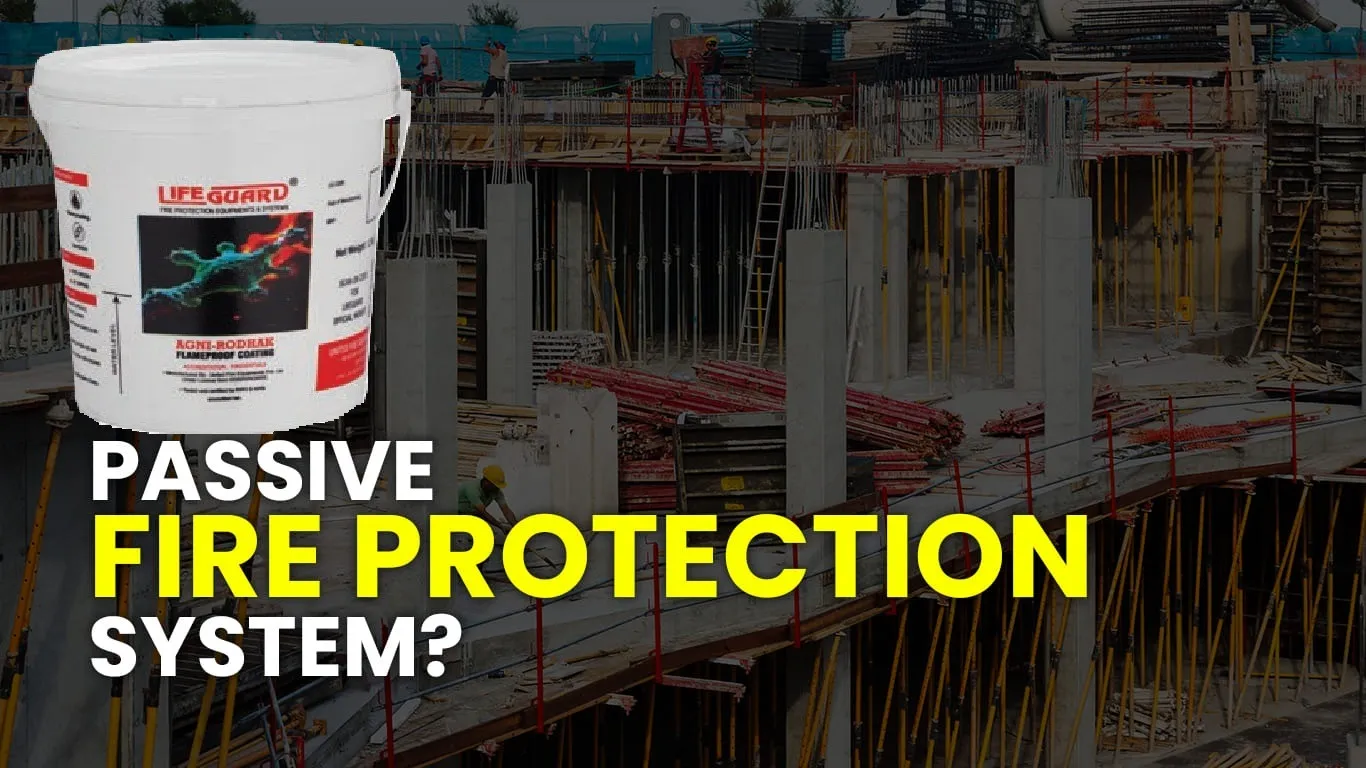
Passive Fire Protection for Energy Storage Systems: Advanced Safety for Modern Energy Infrastructure
Reliable Passive Fire Protection for Energy Storage Systems (ESS)
Energy Storage Systems (ESS) are transforming the global energy landscape by supporting renewable energy integration, grid stability, backup power, and sustainable power management. From utility-scale Battery Energy Storage Systems (BESS) to commercial and industrial energy storage facilities, these systems play a crucial role in modern infrastructure.
However, the high energy density of battery technologies introduces unique fire safety challenges. Thermal runaway, electrical faults, overheating, and battery failures can result in severe fire incidents if not properly managed. This is why Passive Fire Protection for Energy Storage Systems has become an essential component of modern energy safety strategies.
At LIFEGUARD®, we provide advanced passive fire protection solutions designed to enhance fire resistance, contain fire events, and protect critical energy storage infrastructure from catastrophic damage.
What is Passive Fire Protection for Energy Storage Systems?
Passive Fire Protection (PFP) refers to built-in fire safety measures that continuously protect structures, equipment, and facilities without requiring activation, external power, or human intervention.
Unlike active fire protection systems such as sprinklers and suppression systems, passive fire protection works around the clock to:
- Limit fire spread
- Reduce heat transfer
- Protect structural integrity
- Support compartmentation
- Enhance evacuation safety
- Protect critical assets
- Improve operational continuity
For energy storage facilities, passive fire protection serves as a crucial defense against fire escalation and thermal runaway events.
Why Energy Storage Systems Need Specialized Fire Protection
Modern energy storage installations contain large quantities of stored electrical energy within compact spaces.
Potential fire risks include:
Thermal Runaway
A chain reaction where excessive heat generated in one battery cell spreads rapidly to neighboring cells.
Electrical Failures
Short circuits, insulation breakdown, and faulty connections can trigger ignition.
Battery System Malfunctions
Defective components or battery degradation may create overheating conditions.
Mechanical Damage
Physical impact or installation defects can compromise battery integrity.
Environmental Stress
High temperatures, humidity, and operational loads can increase fire risks.
Without proper fire protection measures, these incidents can result in:
- Facility damage
- Power outages
- Equipment loss
- Environmental impact
- Safety hazards
- Operational downtime
Understanding Thermal Runaway Protection
Thermal runaway remains one of the most significant hazards in battery energy storage systems.
During thermal runaway:
- Battery temperatures rise rapidly
- Heat spreads between cells and modules
- Combustible gases may be released
- Fire propagation accelerates
Passive fire protection systems help mitigate these risks by slowing heat transfer and containing fire spread within designated areas.
Key Components of Passive Fire Protection for Energy Storage Systems
Fire Resistant Coatings
Fire-resistant coatings create a protective barrier that shields structures and equipment from extreme temperatures.
Benefits include:
- Reduced heat transfer
- Enhanced fire resistance
- Improved asset protection
- Long-term durability
Intumescent Fire Coatings
Intumescent coatings expand when exposed to heat, forming an insulating char layer that protects structural steel and support systems.
Applications include:
- Battery enclosures
- Structural steel
- Equipment supports
- Utility infrastructure
Thermal Barrier Coatings
Thermal barriers reduce temperature transmission and improve fire containment capabilities.
Fire Compartmentation Systems
Compartmentation divides energy storage facilities into fire-resistant sections that limit fire spread and contain thermal events.
Advantages include:
- Improved fire containment
- Reduced asset damage
- Enhanced operational safety
Fire Stop Systems
Fire stop products seal cable penetrations, conduits, and service openings to preserve the integrity of fire-rated barriers.
Cable Tray Fire Protection
Protects critical power and communication cables serving energy storage systems and associated infrastructure.
Applications of Energy Storage Fire Protection
Utility-Scale Battery Energy Storage Systems (BESS)
Protect large-scale energy storage installations supporting power grids and renewable energy projects.
Renewable Energy Facilities
Enhance safety for solar and wind energy storage systems.
Data Centers
Protect battery backup systems supporting mission-critical operations.
Industrial Energy Storage Facilities
Safeguard power management systems and backup energy infrastructure.
Commercial Buildings
Protect emergency power systems and energy storage units.
Telecommunications Infrastructure
Ensure reliable operation of communication networks supported by battery systems.
Hospitals and Healthcare Facilities
Protect backup power systems that support critical medical services.
Benefits of Passive Fire Protection for Energy Storage Systems
Continuous Fire Protection
Provides 24/7 protection without requiring activation.
Thermal Runaway Mitigation
Helps slow heat propagation and reduce fire escalation risks.
Asset Preservation
Protects batteries, electrical systems, and structural infrastructure.
Enhanced Safety
Improves protection for personnel, operators, and emergency responders.
Operational Continuity
Minimizes downtime and supports business resilience.
Regulatory Compliance
Supports compliance with energy storage fire safety standards and project specifications.
Why Passive Fire Protection is Essential for Modern Energy Infrastructure
As energy storage technologies continue to expand, the consequences of fire incidents become increasingly significant. Passive fire protection provides a dependable layer of defense that complements active fire suppression systems and enhances overall facility resilience.
A comprehensive passive fire protection strategy helps:
- Protect critical energy assets
- Improve system reliability
- Reduce fire-related losses
- Enhance operational safety
- Support long-term sustainability goals
Why Choose LIFEGUARD®?
Expertise in Passive Fire Protection
LIFEGUARD® specializes in advanced fire-resistant coatings and passive fire protection systems for critical infrastructure applications.
Innovative Fire Safety Technologies
Our solutions are engineered to address emerging risks associated with battery energy storage and renewable energy systems.
Customized Protection Strategies
We provide project-specific recommendations tailored to facility design, battery technology, and operational requirements.
Proven Performance
Our products undergo rigorous testing to ensure durability, reliability, and long-term fire protection.
Technical Consultation and Support
Our experts assist consultants, engineers, contractors, developers, and facility managers with specifications and implementation guidance.
Secure the Future of Energy Storage with LIFEGUARD®
As energy storage systems become increasingly important to modern power infrastructure, effective fire protection is essential. Passive fire protection solutions help contain fire incidents, mitigate thermal runaway risks, and protect valuable energy assets while ensuring operational continuity.
LIFEGUARD® delivers industry-leading Passive Fire Protection Solutions for Energy Storage Systems designed to enhance safety, resilience, and long-term performance in today's evolving energy sector.
Contact LIFEGUARD®
LIFEGUARD® – United Fire Equipments Pvt. Ltd.
Manufacturer of ISI Certified Fire Safety Equipment
📞 8048034226
Keywords






