
Passive Fire Protection for Infrastructure: Enhancing Safety, Durability, and Compliance
Modern infrastructure projects form the backbone of economic growth and urban development. From airports, metro stations, tunnels, bridges, industrial facilities, data centers, and power plants to commercial complexes and transportation hubs, ensuring fire safety is critical for protecting lives, assets, and operational continuity. Passive Fire Protection (PFP) has emerged as one of the most effective strategies for minimizing fire risks and preventing catastrophic structural failures.
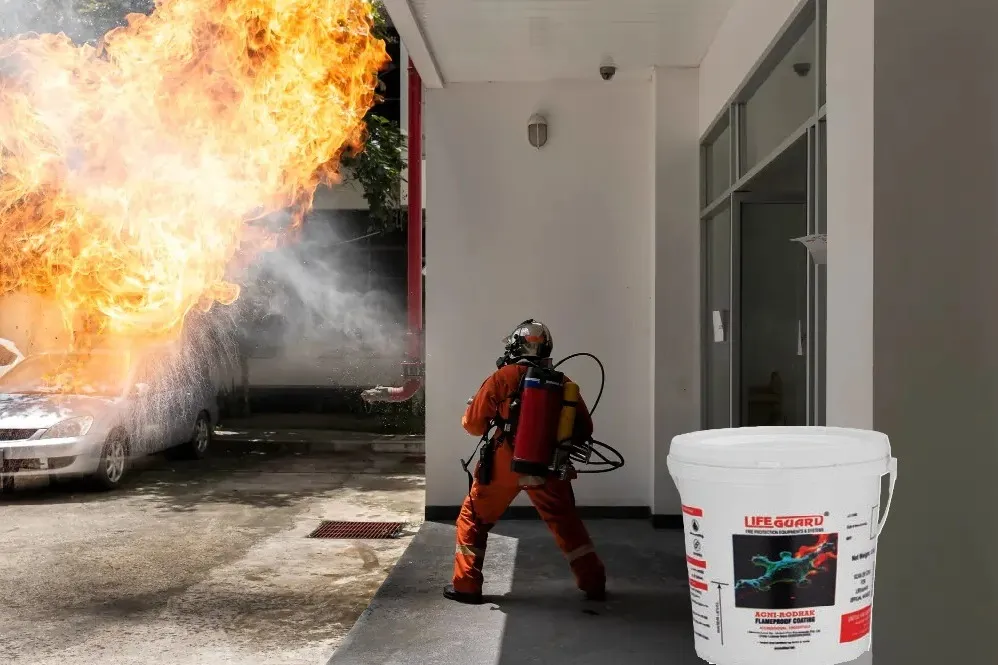
LIFEGUARD® offers advanced passive fire protection solutions specifically designed for infrastructure projects, delivering long-lasting fire resistance, structural integrity, and compliance with national and international fire safety standards.
What is Passive Fire Protection?
Passive Fire Protection refers to a set of fire-resistant systems and materials integrated into a building or infrastructure asset to contain, slow down, and resist the spread of fire and smoke. Unlike active fire protection systems such as sprinklers, fire extinguishers, and alarms that require activation, passive fire protection works continuously and automatically without external intervention.
The primary objective of passive fire protection is to:
- Maintain structural stability during fire incidents
- Prevent fire spread between compartments
- Protect critical infrastructure assets
- Increase evacuation time for occupants
- Reduce damage to equipment and property
- Support emergency response operations
Importance of Passive Fire Protection for Infrastructure
Infrastructure facilities often accommodate thousands of people daily while housing critical operational systems. Fire incidents in such facilities can result in significant financial losses, service disruptions, and threats to public safety.
Passive fire protection solutions provide:
Enhanced Structural Integrity
Fire-resistant coatings and barriers help protect steel, concrete, and structural components from excessive heat exposure. This delays structural collapse and allows sufficient time for evacuation and firefighting operations.
Business Continuity
Critical infrastructure such as power stations, transportation networks, and industrial plants require uninterrupted operation. Passive fire protection minimizes damage and helps facilities recover faster after fire incidents.
Regulatory Compliance
Infrastructure projects must comply with fire safety requirements outlined in National Building Code (NBC), BIS standards, and various industrial safety regulations. Proper passive fire protection systems assist in meeting these mandatory requirements.
Long-Term Asset Protection
By reducing fire-related damage, passive fire protection extends the lifespan of structures, equipment, and valuable assets, lowering maintenance and replacement costs.
Key Passive Fire Protection Solutions for Infrastructure
Fire Resistant Coatings
Fire-resistant coatings form a protective barrier that insulates structural elements from extreme heat. These coatings are widely used on:
- Structural steel
- Industrial equipment
- Cable trays
- Pipelines
- Support structures
- Storage facilities
LIFEGUARD® fire-resistant coatings are engineered to provide excellent thermal insulation and prolonged fire resistance under demanding conditions.
Intumescent Coatings
Intumescent coatings expand when exposed to high temperatures, creating a thick insulating char layer that protects the substrate from fire damage.
Benefits include:
- Lightweight protection
- Architectural finish
- High fire ratings
- Minimal impact on structure weight
- Long service life
Fire Compartmentation Systems
Fire compartmentation divides large infrastructure facilities into fire-resistant sections, preventing the spread of flames and smoke.
Applications include:
- Airports
- Railway stations
- Commercial complexes
- Data centers
- Manufacturing facilities
Fire Stopping Systems
Fire stopping solutions seal openings created by pipes, ducts, cables, and service penetrations.
These systems help:
- Maintain fire-rated barriers
- Prevent smoke migration
- Improve occupant safety
- Preserve compartment integrity
Fire Rated Sealants and Barriers
Fire-rated sealants provide critical protection around joints, gaps, and penetrations while accommodating structural movement.
They are commonly used in:
- Utility corridors
- Control rooms
- Electrical substations
- Telecom facilities
- Industrial buildings
Applications of Passive Fire Protection in Infrastructure
Transportation Infrastructure
- Airports
- Metro rail systems
- Railway stations
- Bus terminals
- Tunnels
- Bridges
Energy Sector
- Power plants
- Solar farms
- Wind energy facilities
- Oil and gas installations
- Electrical substations
Industrial Facilities
- Manufacturing plants
- Warehouses
- Chemical processing units
- Refineries
- Logistics hubs
Commercial Infrastructure
- High-rise buildings
- Shopping malls
- Business parks
- Hotels
- Convention centers
Critical Facilities
- Data centers
- Hospitals
- Command centers
- Government buildings
- Defense installations
Benefits of Choosing LIFEGUARD® Passive Fire Protection Solutions
Superior Fire Resistance
Our solutions are designed to withstand extreme temperatures and provide reliable protection during fire emergencies.
Long-Term Durability
LIFEGUARD® coatings and fire protection systems offer exceptional durability under challenging environmental conditions.
Compliance with Industry Standards
Our products are developed to meet applicable fire safety requirements and quality standards, ensuring confidence in infrastructure projects.
Cost-Effective Protection
Passive fire protection significantly reduces potential fire damage, lowering long-term operational and maintenance expenses.
Expert Technical Support
Our team provides comprehensive guidance for specification, application, inspection, and maintenance of passive fire protection systems.
Why Passive Fire Protection is Essential for Future Infrastructure
As infrastructure projects become more complex and densely populated, fire safety requirements continue to evolve. Passive fire protection plays a crucial role in resilient infrastructure design by enhancing safety, reducing risks, and safeguarding investments.
By integrating advanced passive fire protection systems during project planning and construction, stakeholders can ensure greater operational reliability, regulatory compliance, and long-term asset preservation.
Contact LIFEGUARD® for Passive Fire Protection Solutions
LIFEGUARD® United Fire Equipments Pvt. Ltd.
Manufacturer of ISI Certified Fire Safety Equipment
📞 8048034226
Keywords






