
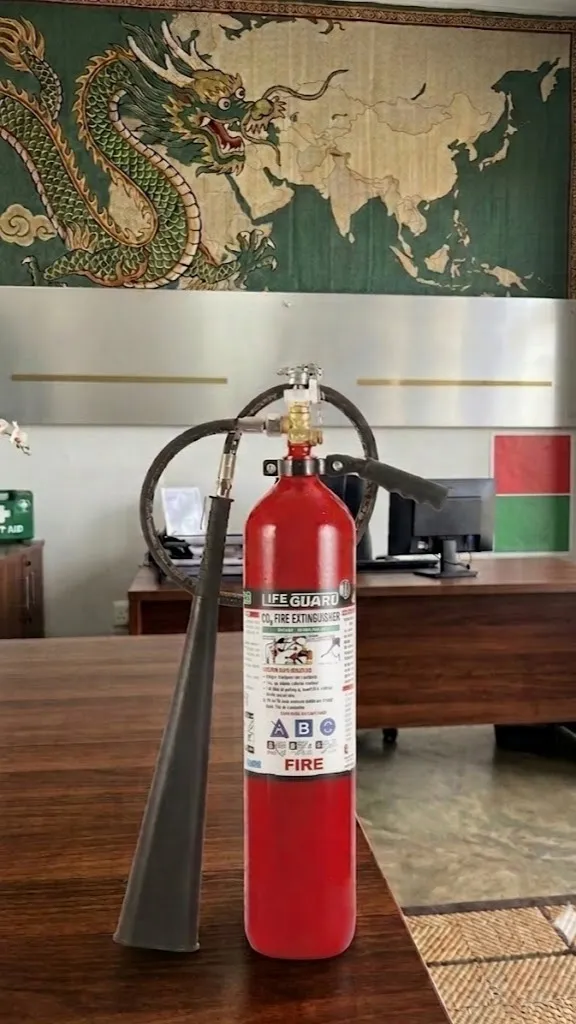
School Fire Protection Solutions in Asia – Complete Fire Safety Solutions by LIFEGUARD®
SEO Meta Title
School Fire Protection Solutions in Asia | LIFEGUARD®
SEO Meta Description
LIFEGUARD® provides reliable school fire protection solutions across Asia, including fire extinguishers, alarms, hydrants, suppression systems and emergency equipment.
Suggested URL
www.lifeguardindia.in/school-fire-protection-solutions-asia
School Fire Protection Solutions in Asia
Schools, colleges, universities and other educational institutions require carefully planned fire protection systems to safeguard students, teachers, employees, visitors, buildings and valuable assets. LIFEGUARD®, a brand of United Fire Equipments Pvt. Ltd., offers comprehensive school fire protection solutions in Asia for new and existing educational facilities.
With experience in manufacturing and supplying fire safety equipment, LIFEGUARD® supports educational institutions, contractors, consultants, distributors and project developers with dependable fire protection products and project-specific solutions. Our objective is to help create safer learning environments through early fire detection, effective warning, suitable firefighting equipment and properly planned evacuation support.
Why Fire Protection Is Essential in Schools
Educational buildings accommodate large numbers of people, including young children who may require additional assistance during an emergency. Schools also contain classrooms, science laboratories, libraries, computer rooms, kitchens, electrical panels, auditoriums, offices, stores and parking areas. Each location may present a different type of fire risk.
Common fire hazards in schools include:
- Electrical short circuits and overloaded wiring
- Laboratory chemicals and flammable materials
- LPG and cooking-oil fires in kitchens and canteens
- Paper, books, furniture and other combustible materials
- Computer servers, UPS systems and electrical equipment
- Improper storage of maintenance chemicals
- Blocked exits or poorly marked escape routes
- Lack of fire safety training and emergency drills
A complete school fire protection plan must address prevention, detection, warning, firefighting, evacuation and routine maintenance.
Comprehensive School Fire Protection Systems
LIFEGUARD® provides a broad range of fire safety solutions for schools and educational institutions across Asia.
1. Portable Fire Extinguishers
Portable fire extinguishers provide immediate first-response protection during the early stage of a fire. The correct extinguisher should be selected according to the type of hazard present in each area.
Available solutions include:
- ABC dry chemical powder fire extinguishers
- Carbon dioxide fire extinguishers
- Water-type fire extinguishers
- Mechanical foam fire extinguishers
- Clean-agent fire extinguishers
- Wet-chemical extinguishers for kitchens
- Trolley-mounted fire extinguishers
- Automatic modular fire extinguishers
ABC extinguishers are commonly suitable for classrooms, corridors, administrative blocks and general-purpose areas. CO₂ and clean-agent extinguishers may be considered for electrical and electronic equipment, while wet-chemical extinguishers are designed for specific commercial-kitchen fire risks.
The final selection, capacity, quantity and installation position should be determined through a proper fire-risk assessment and applicable regulatory requirements.
2. Fire Detection and Alarm Systems
Early detection is essential for giving students and staff sufficient time to respond and evacuate safely. LIFEGUARD® can support fire alarm solutions for individual school buildings as well as large educational campuses.
System components may include:
- Conventional or addressable fire alarm control panels
- Smoke detectors
- Heat detectors
- Multi-criteria detectors
- Manual call points
- Electronic hooters and sounders
- Sounder-cum-strobes
- Response indicators
- Input and output modules
- Batteries and power-supply units
- Emergency communication and alarm accessories
The fire alarm system can be planned according to building size, occupancy, risk classification and the operational requirements of the institution.
3. Fire Hydrant and Hose-Reel Systems
Large schools, colleges, universities, hostels and institutional campuses may require fixed firefighting arrangements. Hydrant and hose-reel systems provide a continuous water supply for trained personnel and professional firefighters.
Typical equipment includes:
- Fire hydrant valves
- Hose-reel drums
- Fire hoses
- Branch pipes and nozzles
- Hose cabinets
- Fire brigade inlet connections
- Fire-water pumps
- Jockey pumps
- Pump control panels
- Fire-water storage arrangements
- Hydrant accessories and fittings
System design and hydraulic requirements should be finalized by competent professionals in accordance with approved drawings, local regulations and project specifications.
4. Automatic Sprinkler Systems
Automatic sprinklers can detect heat and control or suppress a developing fire before it spreads throughout a building. They may be suitable for libraries, archives, stores, basements, parking areas, auditoriums and other designated spaces.
Sprinkler solutions can include:
- Wet-pipe sprinkler systems
- Dry-pipe systems for suitable applications
- Deluge systems
- Pre-action systems
- Sprinkler control valves
- Flow switches and pressure switches
- Sprinkler pumps and associated piping
The system configuration depends on the hazard category, environmental conditions and the nature of the protected area.
5. Clean-Agent Fire Suppression Systems
Computer laboratories, server rooms, data centres, communication rooms, UPS rooms and other sensitive areas may contain equipment that could be damaged by water or powder residue. Clean-agent fire suppression systems offer rapid protection without leaving harmful residue on electronic equipment.
A properly engineered clean-agent system may include:
- Clean-agent storage cylinders
- Discharge valves and actuators
- Distribution piping
- Discharge nozzles
- Detection and releasing panels
- Manual release and abort switches
- Audio-visual warning devices
- Pressure-monitoring accessories
- Room-integrity evaluation
- Cause-and-effect programming
Every system must be designed specifically for the protected enclosure, selected extinguishing agent and applicable design standard.
6. School Kitchen Fire Protection
School kitchens, cafeterias and food-preparation facilities face fire hazards involving cooking oils, grease, LPG and electrical appliances. Appropriate kitchen fire protection can include:
- Wet-chemical fire extinguishers
- Fire blankets
- Automatic kitchen-hood suppression systems
- Heat detection
- Emergency gas shut-off arrangements
- Fire alarms and manual call points
- Suitable emergency signage
Kitchen staff should also receive practical training in extinguisher use, gas isolation and emergency response procedures.
7. Emergency Exit and Evacuation Equipment
Fire protection is incomplete without a clear and practical evacuation strategy. School buildings should have unobstructed escape routes and visible emergency instructions.
Evacuation-support equipment may include:
- Photoluminescent exit signs
- Emergency lights
- Directional evacuation signs
- Fire-action notices
- Assembly-point signs
- Panic-bar exit arrangements
- Public-address and emergency-announcement systems
- Evacuation chairs where required
- Floor-wise evacuation plans
Schools should assign trained fire wardens and conduct periodic evacuation drills so students and employees understand how to respond without panic.
Area-Wise Fire Protection for Educational Institutions
A school fire protection system should be planned according to the hazards in each area.
Classrooms and Corridors
Classrooms and corridors generally require accessible extinguishers, smoke or heat detection where specified, manual call points, alarm sounders, emergency lighting and clearly marked exit routes.
Science Laboratories
Science laboratories may contain chemicals, gases, burners and electrical instruments. Fire protection should be based on the specific substances and processes used in the laboratory. Suitable extinguishers, fire blankets, emergency isolation controls and specialized storage arrangements may be required.
Computer and Server Rooms
Sensitive electronic areas may benefit from smoke detection, clean-agent extinguishers and automatic clean-agent fire suppression systems. Conventional water-based firefighting methods may not be appropriate as the primary solution for every electronic-equipment room.
Libraries and Record Rooms
Libraries contain substantial quantities of paper and other combustible materials. Fire detection, suitable portable extinguishers and properly designed fixed fire protection can help reduce the risk of rapid fire spread.
Auditoriums and Multipurpose Halls
Auditoriums can hold large groups of people and therefore require particular attention to alarm audibility, emergency lighting, exit capacity, evacuation signage and unobstructed escape routes.
Hostels and Residential Blocks
Student accommodation presents an elevated life-safety risk, particularly during sleeping hours. Reliable automatic detection, alarm notification, protected escape routes and regular evacuation drills are especially important.
Laboratories, Workshops and Vocational Areas
Workshops may involve machinery, fuels, welding, batteries or other special hazards. A dedicated fire-risk assessment should determine the appropriate detection and suppression measures.
School Buses and Transportation
School transportation vehicles should carry suitable fire extinguishers and emergency equipment as required by the applicable vehicle and transport regulations. Equipment must be securely installed, readily accessible and inspected periodically.
Fire-Safety Training and Emergency Preparedness
Fire safety equipment is effective only when people understand how to use it. Schools should maintain a structured training and emergency-preparedness programme.
Recommended activities include:
- Fire-safety orientation for teachers and employees
- Age-appropriate safety awareness for students
- Regular evacuation drills
- Training in the use of portable fire extinguishers
- Appointment of floor wardens and evacuation coordinators
- Emergency contact and communication procedures
- Special evacuation assistance for young children and persons with disabilities
- Periodic review of evacuation routes and assembly points
- Record keeping for inspection, servicing and drills
Emergency procedures should be simple, clearly communicated and regularly practised.
Inspection and Maintenance of School Fire Equipment
Routine inspection and preventive maintenance are essential to keep fire protection equipment operational. Maintenance schedules should follow manufacturer recommendations, applicable standards, approval conditions and local authority requirements.
Typical maintenance activities include:
- Checking extinguisher pressure, seals and accessibility
- Servicing and refilling extinguishers as applicable
- Testing fire alarm panels and detection devices
- Checking batteries and standby power supplies
- Inspecting hydrant valves, hoses and hose reels
- Testing fire pumps and pressure arrangements
- Inspecting sprinklers and control valves
- Checking clean-agent cylinder pressure or weight
- Verifying emergency lights and exit signs
- Updating inspection and maintenance records
Any defective, damaged, discharged or expired equipment should be repaired or replaced promptly by qualified personnel.
Customized School Fire Protection Solutions for Asia
Fire safety requirements differ across Asian countries due to variations in building regulations, climatic conditions, school layouts and approval procedures. LIFEGUARD® can support customized product selection and project solutions based on:
- Building drawings and floor plans
- Number and age group of occupants
- Building height and total area
- Classroom and laboratory hazards
- Local fire and building regulations
- Consultant or tender specifications
- Required product certifications
- Environmental and climatic conditions
- Installation and maintenance requirements
- Export packing and delivery destination
All final designs, equipment quantities and compliance requirements should be validated against the regulations applicable at the project location.
Why Choose LIFEGUARD®?
United Fire Equipments Pvt. Ltd. has been associated with the fire safety industry through its LIFEGUARD® brand since 1991. We focus on dependable products, technical coordination and project-oriented service.
Key advantages include:
- Established Indian fire safety equipment manufacturer
- ISI-certified product options within the applicable product range
- Solutions for schools, colleges and universities
- Support for institutional and government projects
- Project-specific product selection
- Technical datasheets and documentation support
- OEM and bulk-supply capabilities
- Export-oriented packing and dispatch coordination
- Solutions for general and specialized fire hazards
- After-sales and maintenance guidance
Certification and approval availability may vary by product and project requirement. Clients should confirm the required standards and documentation at the enquiry stage.
Serving Educational Projects Across Asia
LIFEGUARD® welcomes enquiries from educational institutions, EPC contractors, fire protection companies, consultants, distributors, importers and government procurement agencies across Asia.
We can support requirements for regions and countries including:
- South Asia
- Southeast Asia
- Central Asia
- East Asia
- The Middle East
- India
- Nepal
- Bhutan
- Bangladesh
- Sri Lanka
- Maldives
- UAE
- Saudi Arabia
- Oman
- Qatar
- Bahrain
- Kuwait
- Singapore
- Malaysia
- Indonesia
- Thailand
- Vietnam
- Philippines
Supply feasibility, approvals and product configuration are evaluated according to the destination and individual project requirements.
Frequently Asked Questions
What fire protection equipment is required in a school?
The requirement depends on the building size, occupancy, number of floors, local regulations and specific hazards. A school may require extinguishers, fire alarms, emergency lights, exit signs, hydrants, hose reels, sprinklers and specialized suppression systems.
Which fire extinguisher is suitable for a classroom?
ABC-type extinguishers are commonly selected for general classroom risks. However, the final selection should be based on a professional fire-risk assessment and local statutory requirements.
What is suitable for a school computer laboratory?
Computer laboratories may require smoke detection, CO₂ or clean-agent extinguishers and, where justified by the risk and asset value, an automatic clean-agent suppression system.
How often should school fire equipment be inspected?
Visual checks should be carried out regularly, while formal servicing and testing should follow applicable standards, manufacturer instructions and local fire authority requirements.
Does LIFEGUARD® supply school fire protection equipment outside India?
Yes. LIFEGUARD® welcomes export and project enquiries from clients across Asia, subject to destination-specific certifications, approvals, commercial terms and logistics.
Can LIFEGUARD® provide a customized quotation?
Yes. Clients can share their BOQ, tender specification, building drawings, required certification, quantities and delivery destination for review and quotation.
Request a School Fire Protection Proposal
Protecting an educational institution requires more than installing a few fire extinguishers. It demands a coordinated approach involving risk identification, correct equipment selection, early detection, evacuation planning, training and periodic maintenance.
Share your school’s building drawings, BOQ, technical specifications, required quantities and delivery location with LIFEGUARD® for a project-specific proposal.
Contact LIFEGUARD®
United Fire Equipments Pvt. Ltd.
Manufacturer of ISI Certified Fire Safety Equipment
📞 8048034226
Keywords






