
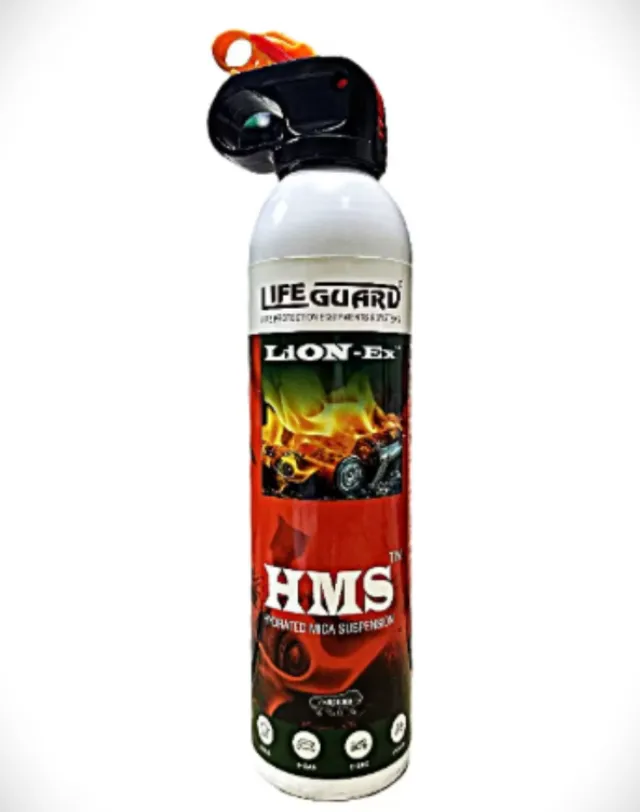
Lithium-ion batteries are now found in electric vehicles, forklifts, energy storage systems, backup power units, industrial machinery, and portable electronic devices. As their use increases, so does the importance of preparing for battery-related fire risks. Many organisations continue using conventional fire extinguishers without evaluating whether they are suitable for lithium battery incidents.
Recognising the signs that your facility may require a Lithium Battery Fire Extinguisher can help improve fire preparedness and reduce potential risks.
You Store Large Numbers of Lithium Batteries
Warehouses, distributors, manufacturers, and retailers storing lithium-ion batteries face greater fire risks than facilities handling conventional materials.
If your business stores:
- Battery packs
- Rechargeable batteries
- EV batteries
- Industrial battery systems
- Backup battery modules
it may be time to review your existing fire protection measures.
Battery Charging Takes Place On-Site
Charging generates heat, and improper charging practices can increase fire risks.
Facilities operating:
- EV charging stations
- Forklift charging areas
- Battery charging rooms
- Service workshops
- Fleet charging facilities
should assess whether their current extinguishing equipment matches the hazards associated with lithium-ion batteries.
Your Operations Depend on Battery-Powered Equipment
Many industries now rely heavily on battery-powered technology.
Examples include:
- Logistics warehouses
- Manufacturing plants
- Telecom infrastructure
- Hospitals
- Data centres
- Renewable energy facilities
As battery usage expands, fire safety planning should evolve accordingly.
Employees Have Limited Awareness of Battery Fire Risks
Even with suitable equipment, emergency response depends on employee preparedness.
Organisations should regularly train staff on:
- Recognising battery overheating
- Identifying warning signs
- Safe evacuation procedures
- Emergency reporting
- Appropriate extinguisher usage
Training supports faster and more informed responses during emergencies.
Fire Risk Assessments Have Not Been Updated
Many facilities continue operating with fire safety plans created before lithium battery systems became common.
If your business has recently introduced:
- Electric vehicles
- Battery storage systems
- Solar energy storage
- Battery-powered production equipment
a revised fire risk assessment is recommended to evaluate whether additional protection measures are required.
Preparing for Emerging Fire Risks in Delhi
The adoption of battery-powered technologies continues to grow across Delhi in industries ranging from transportation and manufacturing to renewable energy and commercial infrastructure. As these changes reshape workplace fire risks, organisations are reviewing whether their fire protection strategies remain suitable.
Companies such as United Fire Equipment Pvt Ltd manufacture fire protection solutions that support evolving industrial safety requirements. Identifying battery-related risks early and selecting appropriate fire protection equipment can help businesses create safer workplaces while reducing the likelihood of operational disruption during fire emergencies.
Keywords






