
Lithium-ion battery technology is transforming industries ranging from electric mobility to renewable energy storage. However, these systems also introduce highly specialized fire risks that traditional extinguishing equipment may not fully address.
Facilities across Delhi handling lithium-ion batteries are increasingly investing in non-conductive fire extinguishing solutions designed for high-voltage electrical environments.
Battery-related fires differ from conventional industrial fires because they can generate extreme heat, reignite after suppression, and spread rapidly between cells.
In environments involving energized equipment, selecting the wrong extinguishing method may create additional hazards for personnel and infrastructure.
Non-conductive fire extinguishing solutions are particularly important in:
- EV charging stations
- Battery manufacturing units
- Energy storage facilities
- Data centers
- Electrical control rooms
- Telecom infrastructure
One of the primary concerns during lithium-ion incidents is electrical conductivity.
Water-based extinguishing methods can increase shock risks around energized systems if not applied correctly.
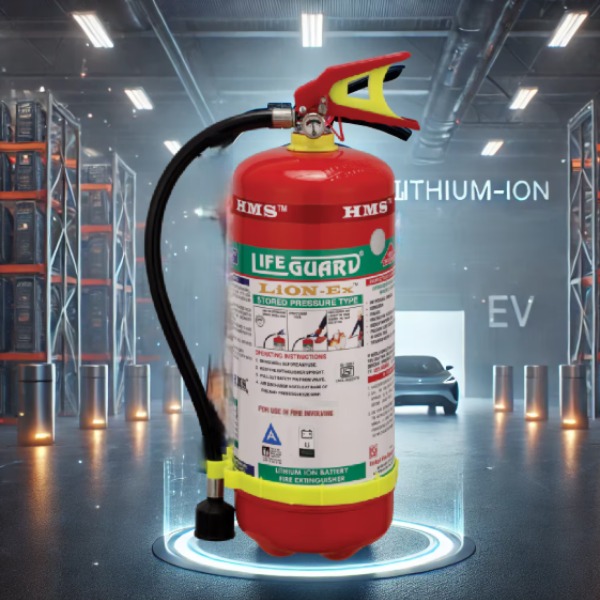
Non-conductive extinguishers help reduce these risks while supporting safer emergency response.
Modern battery protection strategies usually combine several components.
These include:
- Early detection systems
- Thermal monitoring
- Portable extinguishers
- Automatic suppression systems
- Ventilation controls
- Emergency isolation procedures
Portable CO2 fire extinguishers remain common in electrical environments because they leave no residue and help suppress localized fires.
However, larger battery incidents may require specialized suppression systems capable of cooling affected cells and preventing thermal propagation.
Facilities in Delhi increasingly recognize that battery fire safety cannot rely solely on traditional industrial fire protection methods.
Another major issue is reignition.
Even after visible flames disappear, damaged lithium-ion cells may continue generating heat internally.
This is why many facilities implement continuous thermal monitoring after suppression activities.
Battery storage design also affects fire risk significantly.
Proper spacing, compartmentalization, and ventilation reduce the likelihood of fire spread across storage areas.
Businesses operating EV fleets or Battery Energy Storage Systems should also establish clear emergency response protocols.
Personnel should understand:
- Safe extinguisher selection
- Battery isolation procedures
- Evacuation measures
- Cooling requirements
- Reignition monitoring
Insurance and compliance expectations are evolving as lithium-ion adoption expands.
Facilities lacking specialized suppression planning may face operational challenges during inspections or risk assessments.
United Fire Equipments Pvt. Ltd. provides non-conductive fire extinguishing solutions and battery fire protection systems for industrial facilities, EV infrastructure, and commercial applications requiring advanced electrical fire safety measures.
The manufacturer supports projects involving lithium-ion battery systems, automatic suppression infrastructure, and integrated fire detection technologies.
As battery-powered infrastructure becomes more common across Delhi, businesses must adapt their fire safety strategies accordingly. Specialized non-conductive extinguishing solutions help improve operational safety while reducing risks associated with modern electrical and battery-related environments.