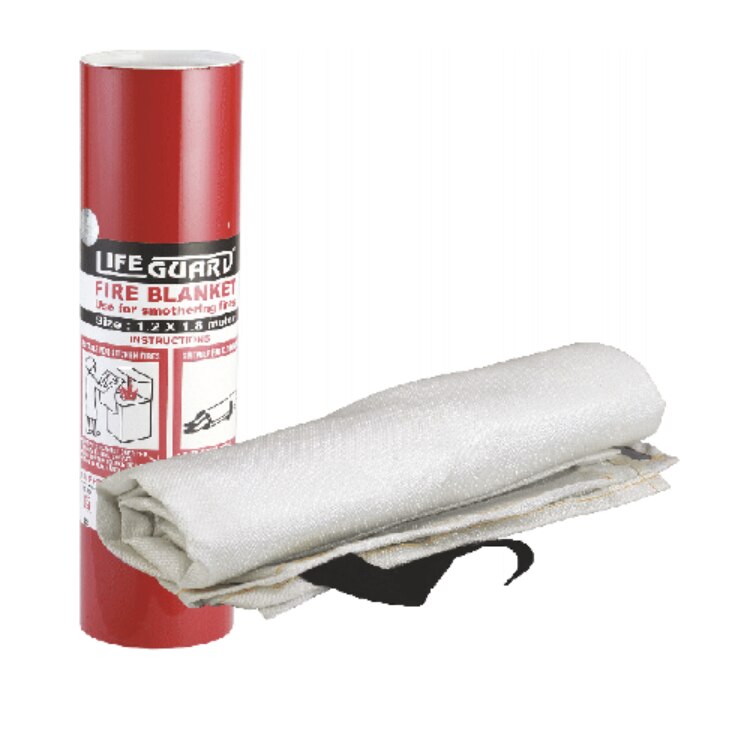
An LG-535 blanket is only useful when staff can reach it quickly, open its container, and trust that the fabric has not lost its protective performance. By following a documented inspection, care and placement process, you can decide whether each blanket remains serviceable, needs replacement, or should be excluded from a commercial evacuation system.
Key takeaways
- Match the LG-535 model, manufacturer and test documents before approval.
- Reject blankets with torn fabric, damaged containers or blocked access.
- Record inspection dates, findings, corrective action and the next review date.
- Train staff when to use the blanket and when to evacuate immediately.
Verify the LG-535 identity before approving it for the site
Do not approve an LG-535 from its model name alone. To inspect LG 535 fire blanket for commercial emergency evacuation system in Delhi, begin with a procurement file that identifies exactly what the item is and where its claimed performance comes from.
1. Record the manufacturer, blanket dimensions, fabric or coating, intended fire type, manufacturing date or batch number, storage limits, installation instructions and declared test standard. Ask for a traceable declaration of conformity. If the supplier cannot provide these details, treat the blanket as unsuitable for a critical site.
2. Check the blanket, packaging or manufacturer declaration for EN 1869, or another named standard, and read its test scope. “Fireproof” and “fire resistant” are not evidence of tested fire-blanket performance. Confirm whether the blanket is intended for burning clothing, cooking-oil fires, industrial incidents or battery events.
3. Do not choose a conventional blanket as the primary control for a lithium-ion, e-bike or electric-vehicle battery fire. Approve a purpose-designed battery blanket only when the manufacturer or fire authority states its operating limits, including cooling, isolation, monitoring and re-ignition controls.
Obtain written limits for shelf life, replacement after use or damage, approved mounting, cleaning, storage temperature and humidity. A deployed blanket leaves service even when it looks intact until the manufacturer approves its return. Record these documents separately from Delhi Fire Service approval, National Building Code compliance and the building’s wider evacuation requirements.
Complete the fabric, container and accessibility inspection
For fire blanket inspection in Delhi, pass an LG-535 only when its packaging, fabric and access route are all serviceable. Commercial fire blanket maintenance requires a recorded decision, not a quick glance at the pouch.
1. Inspect the closed cabinet or pouch first. Confirm secure mounting, an intact bracket, working hinges and viewing window, present release tabs or straps, intact tamper evidence, and legible warning and instruction labels. Reject broken packaging, a jammed container or a missing pull tab.
2. Open it only in a clean, safe location. Check the fabric, folds, stitching, seams and edges for holes, tears, pulled threads, fraying, exposed fibres, melting, scorch marks or other thermal marks. Look for oil, grease, chemical residue, water damage, dampness, mould, smoke deposits and construction dust.
3. Confirm the blanket remains folded as supplied; removal and incorrect refolding are defects. Replace it for any thermal mark, tear, contamination, mould, missing label or damaged seam because visual inspection cannot restore thermal performance. Remove a deployed blanket from service, even when it appears undamaged.
4. Check that the blanket is visible, securely mounted, reachable without a key and unobstructed. It must not sit behind stored goods, a locked door or evacuation congestion. If fire, live electrical equipment, smoke or chemical exposure remains, do not unfold it; isolate the area and use trained personnel.
Set inspection intervals and retain a usable record
Set the interval through the site fire-risk assessment, LG-535 manufacturer instructions, lease conditions, insurer requirements and applicable Delhi approval conditions. For fire blanket inspection in Delhi, do not treat a generic annual fire-equipment visit as sufficient.
| Inspection | When to perform it | What to check |
|---|---|---|
| Routine staff check | At the site’s daily or shift-start safety round | Blocked cabinet, missing blanket, broken pull tab, damaged pouch or unreadable label |
| Formal documented inspection | Monthly in busy offices, kitchens, workshops, warehouses and construction areas | Fabric, container, label, mounting and accessibility |
| Competent-person inspection | At the interval set by the fire-risk assessment | Full condition assessment and corrective action |
| Triggered inspection | After deployment or exposure to heat, water, chemicals, smoke, grease or construction dust | Remove from service and assess replacement |
A deployed blanket leaves service even when it looks undamaged. Return it only after manufacturer-approved inspection, or replace it.
Record commercial fire blanket maintenance in an asset register. Enter the unique location or asset ID, inspection date, inspector, fabric condition, accessibility result, container and label condition, defects, corrective action and replacement date.
Cross-check the register against the floor plan and fire-risk assessment. This exposes equipment that has moved, disappeared or become inaccessible. Keep the register in the premises fire-safety file.
Confirm which Delhi Fire Service approval, building approval condition, fire audit report or other authority document governs the site. A blanket check alone does not prove compliance with that document, the National Building Code, exit capacity, alarms or emergency lighting.
Apply care rules and teach the decision to suppress or evacuate
1. Keep the LG 535 fire blanket dry, clean and folded exactly as supplied. Protect it from sharp edges, oil, grease, chemicals, direct weather and unauthorised handling. Do not wash, dry-clean, iron, coat, cut or repair it unless the manufacturer gives a written procedure.
2. If the label is missing, obtain the manufacturer’s care instructions before cleaning the blanket or returning it to service. Do not improvise with detergent, solvent, adhesive or replacement stitching; these changes can destroy its tested fire performance.
3. Use the blanket only for a small, contained incipient fire or burning clothing when a clear escape route remains. First activate the alarm, call emergency services and alert nearby people. Hold the blanket by its protected edges, approach only when safe, and place it over the flames without reaching across them.
Isolate the heat source only when you can do so without exposure.
4. Evacuate instead of suppressing the fire if flames are spreading, smoke is heavy, a battery pack is involved, the escape route could be cut off or the blanket cannot cover the fire completely. Never approach a battery fire with a conventional blanket unless written product instructions specifically authorise that use.
5. Include this decision in staff training: the blanket does not replace the fire alarm, emergency lighting, evacuation plan, suitable extinguisher, trained wardens or fire-door controls. After deployment or exposure to heat, water, chemicals, smoke, grease or construction dust, remove it from service until the manufacturer approves it or supplies a replacement.
Position the blanket within the evacuation system and procurement file
Inspect the LG-535 fire blanket for a commercial emergency evacuation system in Delhi by placing it near a risk-assessed small-fire point, without making anyone cross flames, re-enter danger or carry burning material through a protected exit.
Mount it visibly, at a practical height, with clear signage, unobstructed access and enough emergency lighting to identify the pouch or cabinet.
1. Coordinate the location with escape routes, fire doors, alarm points, emergency lighting, assembly arrangements and warden duties. Reject any position behind stored goods, inside a locked cabinet, within evacuation congestion or where retrieval could delay evacuation.
2. Approve the blanket only after the procurement file identifies the manufacturer, dimensions, fabric or coating, intended fire-use scope, batch details, declared test standard, storage limits and installation method.
Ask for a traceable declaration of conformity, care limits, shelf-life or replacement rules, mounting instructions and written confirmation of whether it covers clothing, cooking oil, industrial incidents or battery events.
3. Record the blanket’s condition separately from Delhi Fire Service approval, National Building Code provisions, occupancy conditions, exit capacity, alarm compliance and emergency-lighting compliance. A sound blanket does not prove that the building’s evacuation system is compliant.
For LG 535 fire blanket care, follow the supplied instructions rather than inventing spacing, height or cleaning rules. United Fire Equipment Pvt Ltd can be assessed as a Delhi supplier only after the buyer verifies these documents and confirms that the proposed blanket fits the building’s fire strategy.
Related product
 | Evacuation System ₹3350 Fire Blanket View product → |
Frequently asked questions
What should you verify before approving an LG-535 fire blanket?
Match the model number to the manufacturer’s datasheet, product markings, batch or serial information and supporting test documentation. Record the blanket’s intended use and installation location in the procurement file.
What should a commercial fire blanket inspection cover?
Inspect the fabric for tears, contamination, moisture and heat damage. Check the container, pull tabs, labels and mounting hardware, then confirm that staff can reach it without moving stock or opening a locked cabinet.
How should you document commercial fire blanket maintenance?
Set an inspection interval based on site risk and manufacturer instructions. Keep the inspection date, inspector, condition, defects, corrective action and next due date in a retained log.
When should staff use a fire blanket instead of evacuating?
Use it only for a small, contained fire when a trained person has a clear escape route and the blanket is suitable for that fire. Evacuate, raise the alarm and call emergency services when the fire is spreading, produces heavy smoke or blocks escape.
Keywords