A listing that names LG-549 as a fire rescue kit does not establish its contents, performance, certification or suitability for a Delhi commercial building. By the end, you will have a specification checklist, a site-selection method and a verification process that separates portable rescue equipment from the building systems required for safe evacuation.
Key takeaways
- Demand the LG-549 part number, dated datasheet and itemised bill of materials.
- Assign every kit item to a task and trained evacuation user.
- Measure alarm audibility at occupied rooms, stairwells and noisy areas.
- Record commissioning, drills, inspections and service visits for site evidence.
What an LG-549 specification must state before you request a quotation
Before requesting a quotation, require an exact manufacturer part number, dated datasheet and bill of materials for LG-549. Confirm whether LG 549 is a model number, catalogue reference, fire rating, capacity or seller listing identifier; the number alone proves none of these.
The phrase lg 549 fire rescue kit specifications is not a defined product description.
| Item | Required specification |
|---|---|
| Kit | Quantities, dimensions, gross and net weight, case material, handle, closures, water and dust protection, storage temperature, shelf life and replacement intervals |
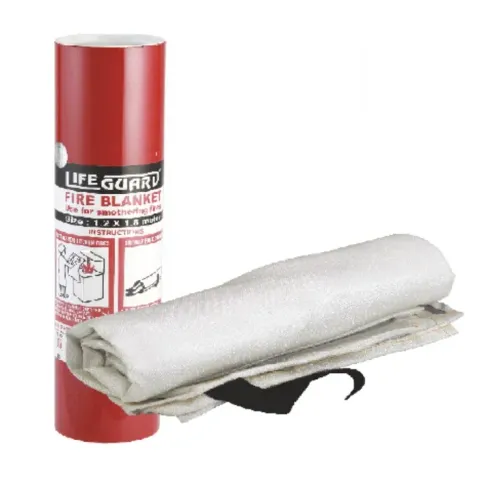
| Contents | Fire blanket, axe, gloves, helmet, torch, rope, first-aid supplies, breathing protection, alarm device and extinguisher; each needs its model, quantity and applicable standard |
| Evidence | Legible photographs of labels, batch numbers, seals and certification markings, plus operating instructions and inspection records |
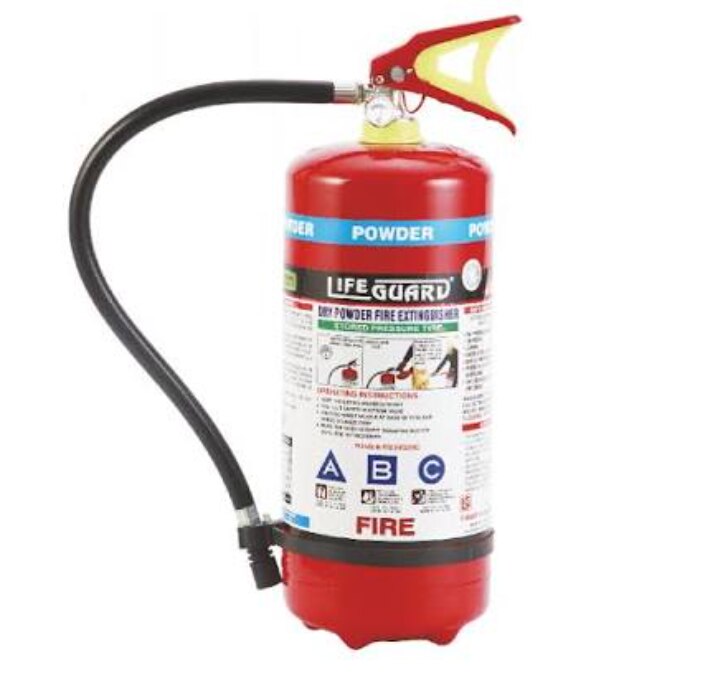
For the search phrase lg fire rescue kit for specifications commercial emergency evacuation system in delhi, reject a generic rescue equipment listing. For every extinguisher, obtain the extinguishing medium, fire classes, rated capacity, fire rating, operating temperature range, pressure information, mounting method and IS 2190 inspection, recharge and service requirements.
Do not accept a cylinder size such as 4 kg as a fire rating.
If the kit is proposed for lithium-ion storage, charging or electric-vehicle incidents, demand documented cooling methods, re-ignition monitoring and battery-incident procedures. A Class D rating does not establish suitability for lithium-ion cells.
Match each kit item to the evacuation task and the person using it
A fire rescue kit for business premises has four separate jobs: raise the alarm, keep an escape route usable, control a small incipient fire and rescue a trapped person. Assign each job to the person trained and equipped for it; “one kit per floor” is not a risk-based plan.
- Alerting occupants: provide manual call points or an alarm device, clear instructions, illuminated exit signs, emergency lighting and roll-call materials. Untrained occupants evacuate; they do not enter smoke or fight a growing fire.
- Protecting the route: keep stairs, corridors and exits unobstructed, and use fire doors, torches and route guidance where visibility or power can fail. Wardens guide people but do not enter smoke-filled areas.
- Suppressing a small fire: a trained fire warden may use the correctly rated extinguisher only after raising the alarm, when the fire remains small and a clear escape path is behind them.
- Rescuing a trapped person: interior rescue, smoke entry, high-voltage isolation and breathing-apparatus use belong to trained emergency responders, not an ordinary floor kit.
A smoke hood, escape mask or filtering respirator is escape equipment, not self-contained breathing apparatus. Do not specify it for entry into oxygen-deficient or smoke-filled spaces.
For offices, retail premises and high-rise floors, prioritise call points, route signs, emergency lighting and roll-call control. Warehouses, factories, construction sites and basements need controls for storage height, machinery, hot work, vehicles, restricted visibility and fire-service access.
Commercial rescue kit details in Delhi must also cover EV charging isolation, shut-off identification, standoff distances, re-ignition monitoring and escalation; a portable kit does not remove those hazards.
Design siren coverage around measured audibility, not a kilometre claim
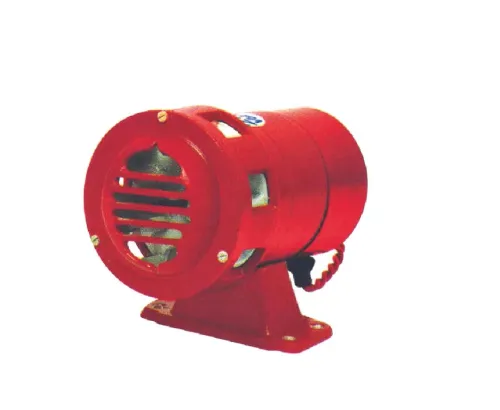
A 0.5 km or 1 km siren range does not prove indoor coverage. Walls, fire doors, floor slabs, machinery, traffic, generators and people absorb or mask sound, so map occupied rooms, toilets, staircases, basements, loading yards, sleeping areas and zones used by people with hearing impairment.
For a commercial emergency evacuation system in Delhi, measure audibility at representative points during normal operating noise, then repeat with doors closed and backup power active. Record the instrument, locations and results in the commissioning file. These are essential commercial rescue kit details in Delhi, not optional catalogue data.
| Option | What to compare | Failure or control |
|---|---|---|
| Manual siren | Accessible activation point, mounting height, weather exposure, routine testing and reset responsibility | It remains useful during mains failure, but a trained person must reach and operate it |
| Electric siren | Protected wiring, power supply, tested battery backup, mounting height, weather exposure, false-alarm control and reset responsibility | It provides repeatable activation, but fails if wiring or standby power is unprotected |
Treat sirens as one layer alongside fire detection, manual call points, visual notification where needed, voice evacuation, emergency lighting, exit signs, fire doors and the assembly-point plan.
Before acceptance, verify that every device can be heard or seen by its intended occupants; a device that works in an empty corridor has not proved coverage during a real evacuation.
Create a Delhi site schedule that supports Fire Safety Certificate evidence
Treat lg fire rescue kit for specifications commercial emergency evacuation system in delhi as a site-schedule exercise, not a catalogue purchase. Start with a documented survey recording:
- Occupancy classification, occupant load, building height, floor area, basements and hazardous processes
- Battery storage, lithium-ion or EV charging and servicing areas
- Fire-appliance access, evacuation routes and people needing assistance
- Assembly points, first-aid locations and responsible fire wardens
Apply the Delhi Fire Service and applicable building fire-safety requirements, then verify extinguisher selection, installation, inspection and maintenance against the current adopted edition of IS 2190. Mark every extinguisher type and rating, detector, alarm, manual call point, emergency light, exit sign, fire door, assembly point, first-aid station and fire-service route on the approved plan.
Place equipment so occupants never have to pass through fire to reach it. Set travel distance and area coverage from the adopted code and hazard classification, not a catalogue claim.
For lithium-ion storage, charging or servicing, record emergency isolation, damaged-pack handling, smoke and re-ignition monitoring, cooling arrangements and fire-service notification. The fire rescue kit for business premises supports these controls; it does not replace them.
Retain the marked plan, risk assessment, Fire Safety Certificate records, inspection and maintenance logs, training registers and evacuation-drill reports. An LG-549 description alone proves none of this.
Verify the delivered kit through commissioning, drills and service records
Treat “lg 549 fire rescue kit specifications” as a procurement description to verify, not proof of approval. For a fire rescue kit for business premises, put acceptance checks in the purchase order and reject delivery gaps before installation.
- Check sealed packaging, complete inventory, matching model numbers, batch and serial numbers, certification marks, readable instructions and undamaged cases.
- Confirm each extinguisher’s pressure status and record the replacement date for every consumable.
- Request test reports and service instructions naming the issuing laboratory or certification body. A logo or the phrase “ISI marked” does not establish approval.
Compare suppliers on evidence, not the LG-549 name alone.
| Supplier evidence | What to verify | Failure consequence |
|---|---|---|
| Written bill of materials | Item names, quantities, models and batch records | Missing items cannot be traced or replaced |
| Site commissioning | Assigned location, label, clear access, inspector, date and findings | A usable kit becomes inaccessible or unaccountable |
| After-sales service | Inspection schedule, pressure checks, recharge controls and service reports | Defects remain after delivery |
A Delhi supplier such as United Fire Equipment Pvt Ltd should be assessed against this evidence, its site survey, installation coordination and training plan. Train wardens to raise the alarm, assist evacuation, recognise extinguisher limits, isolate electrical equipment and withdraw when smoke, heat or re-ignition makes conditions unsafe.
Run drills for blocked routes, power failure, basement visibility and occupants needing assistance. Close every recorded action, then retain the approved layout, risk assessment, certificates, test records, drill reports and revision-controlled emergency plan in the procurement file.
Frequently asked questions
What should an LG-549 specification state before requesting a quotation?
Request the exact manufacturer part number, a dated datasheet and a complete bill of materials. Confirm whether LG-549 is a model number, catalogue reference, fire rating, capacity or seller listing identifier.
How do you match a commercial rescue kit to evacuation tasks?
List each item, its intended evacuation task and the person authorised and trained to use it. Include equipment for alarm raising, emergency lighting, communication, first aid and assisted movement where the site risk assessment requires it.
How should you design siren coverage for a Delhi commercial premises?
Measure sound levels in occupied rooms, toilets, stairwells, plant rooms and other noisy locations. Record audibility at those points instead of relying on a stated kilometre range.
What records support a Delhi commercial Fire Safety Certificate inspection?
Maintain the site equipment schedule, approved drawings, product documents, installation and commissioning records, alarm audibility readings, drill reports, inspection logs and service records.
How do you verify a delivered fire rescue kit?
Compare every delivered item with the approved bill of materials, inspect labels and condition, commission the system, conduct evacuation drills and retain signed test and service records.
Keywords