A hand-operated siren can turn freely and still fail to warn workers in a noisy, divided factory. You will be able to inspect its mechanical parts, test the signal across real occupied zones, document the result and decide whether the siren needs support from electric, visual or spoken alerts.
Key takeaways
- Inspect the siren body, handle, mounting, grille and sound path before use.
- Test the siren locally, then confirm audibility at workstations, exits and outdoor areas.
- Record the inspection date, tester, faults, corrective action and retest result.
- Use a manual siren only when trained staff can operate it and coverage is proven.
What to inspect before anyone turns the siren
A siren that is loose, blocked, corroded or difficult to turn is not ready for a Delhi evacuation drill. Before you check a manual siren for commercial emergency evacuation system in Delhi, confirm that its physical condition supports a clear, repeatable warning and that its role matches the approved fire strategy.
1. Keep the siren off while inspecting it. Check the housing for cracks, distortion, corrosion and water ingress.
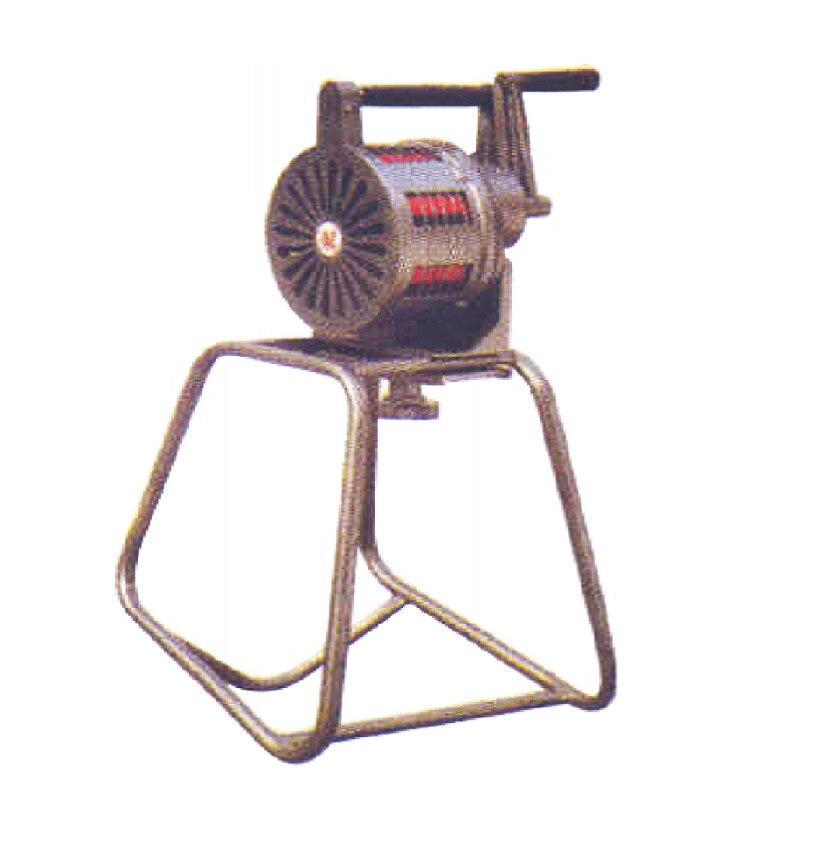
2. Turn the crank or handle gently by hand. It should move smoothly without grinding, binding or excessive resistance. Check the shaft, bearings and rotor or internal mechanism for looseness.
3. Inspect the grille and openings for dust, insects, nesting material, paint or stored items. Any obstruction can weaken or distort the sound.
4. Tighten or report loose fixing brackets, fasteners and mounting points. A vibrating or shifting siren can produce an irregular tone and may detach during use.
5. If the siren turns but gives a weak, broken or uneven sound, record it as failed. Do not accept movement alone as proof that it works.
A manual siren inspection in Delhi must also distinguish a purely mechanical device from an electrically supervised alarm system. For the latter, place monitoring in the approved test condition and coordinate any emergency-service connection before activation.
Confirm from the site fire plan, Delhi Fire Service conditions and applicable Indian standard whether the siren is primary alarm equipment or only supplementary warning.
How to run a functional and site-wide sound test
Run the siren for about 30 seconds at normal operating speed, then confirm that workers can recognise it as the evacuation signal. A manual siren inspection in Delhi must test the complete human-use chain: an accessible device, a trained operator, a defined activation method and a warning that reaches every occupied area.
1. Before turning the handle, check that the housing, grille and fixing brackets are secure. Look for corrosion, cracks, dust, insects or water inside the unit. Turn the crank slowly; resistance, grinding, wobbling or a loose shaft points to a fault.
2. Operate it at a steady speed for the planned test period. A healthy siren produces a strong, continuous and recognisable tone. Record it as failed if the sound is weak, irregular, intermittent or changes when the handle speed remains steady.
3. Place observers with radios or phones in production floors, enclosed battery rooms, toilets, stairwells, offices, yards, boundary areas and every hearing-protection or high-noise zone. Do not use the siren’s stated 0.5-kilometre or 1-kilometre range as proof of audibility inside the building.
4. Ask each observer to report whether the tone was clearly heard and understood, not merely detected. Repeat the test with doors and fire doors closed, machinery running and normal protective equipment worn.
If any zone cannot hear or interpret the signal, add a visual alarm, public-address instruction, radio call or another warning method. Increasing volume alone can create hearing risk without telling workers what action to take.
How often to check it and what to record
Check the manual siren before every evacuation drill and log the date, location, inspector and result. Add a monthly condition check, plus maintenance at the interval stated by the manufacturer. After cleaning or lubrication, repeat the full audible test; free movement alone does not prove the warning is effective.
Use this checklist for factory evacuation equipment checks:
- Before each drill: inspect the handle or crank, shaft, bearings, rotor, housing, grille and fixing brackets for looseness, distortion, corrosion, cracks, dust, insects, water ingress, paint or tape blocking sound openings.
- Monthly: check mounting security and operate the siren briefly. Record stiff movement, grinding, irregular tone, weak output or unusual resistance as a fault.
- After every drill: record the activation time, the time workers heard the signal in each zone, the time the last person reached the assembly point and any head-count discrepancy.
- Record blocked routes, failed equipment, missed zones, visitor or contractor gaps, and the person assigned to each corrective action with a due date.
- For hand operated siren care, follow the maker’s lubrication instructions. Do not apply excess oil or grease, which can attract dust and restrict the rotor.
File the inspection sheet with the drill report, repair evidence and retest result. “Siren tested—OK” is insufficient: it cannot demonstrate that the warning reached production floors, enclosed rooms, toilets, stairwells, yards or noisy areas.
When a manual siren fits the factory—and when it does not
Choose an electric siren for a large or noisy factory when you need one operator to alert several zones. Choose a hand-operated siren for a small, open site or as a power-failure backup, not automatically as the complete commercial emergency evacuation system.
| Option | What it means | When it applies |
|---|---|---|
| Hand-operated siren | Local alarm requiring a person to reach and operate it | Small, open layouts; backup when power or control panels fail |
| Electric siren | Central or remote activation with consistent operation | Large floors, multiple buildings, high noise, or rapid site-wide warning |
| Supplementary methods | Beacons, public-address messages, radios, runners or vibrating alerts | Enclosed rooms, toilets, stairwells, yards, hearing-impaired workers and isolated work areas |
The Delhi site fire strategy, Delhi Fire Service requirements and applicable Indian standard decide whether a hand siren is primary equipment or supplementary warning. Its stated 0.5 km or 1 km range does not prove audibility through machinery, walls or enclosed rooms.
Lithium-ion battery incidents need instructions for smoke, venting, thermal runaway and re-ignition. A siren only announces danger; it does not make the battery safe. Keep extinguisher selection, isolation, re-entry control and competent response separate from the alarm decision.
During factory evacuation equipment checks, map every alarm zone and pair the siren with backup communications where sound can be masked. When comparing equipment from United Fire Equipment Pvt Ltd, ask how the proposed alarm arrangement covers each zone during power loss, machinery noise and a battery-fire evacuation.
Related products
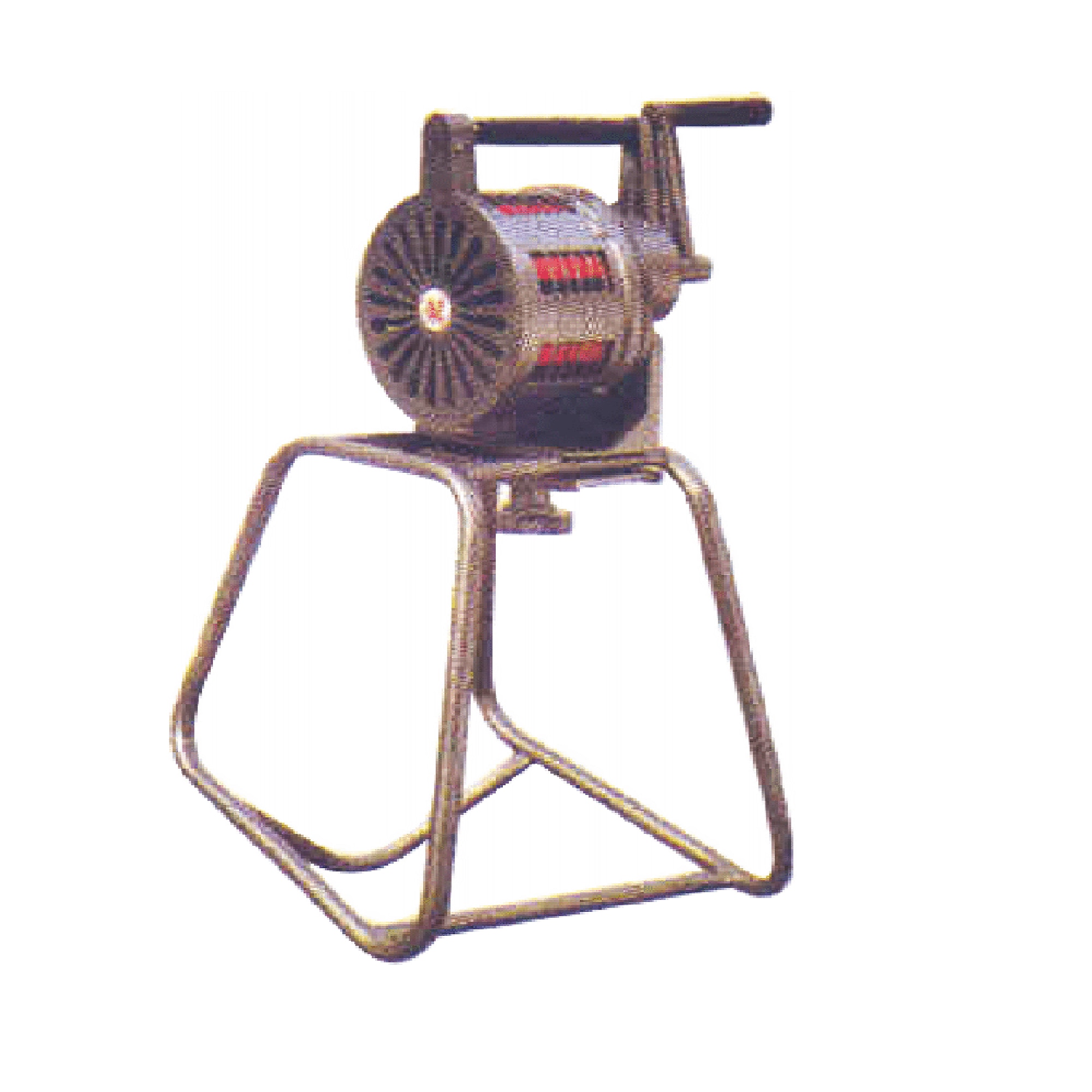 | Evacuation System LG-519A HAND OPERATED MANUAL SIREN .5 KM ₹64900 HAND OPERATED MANUAL SIREN .5 KM View product → |
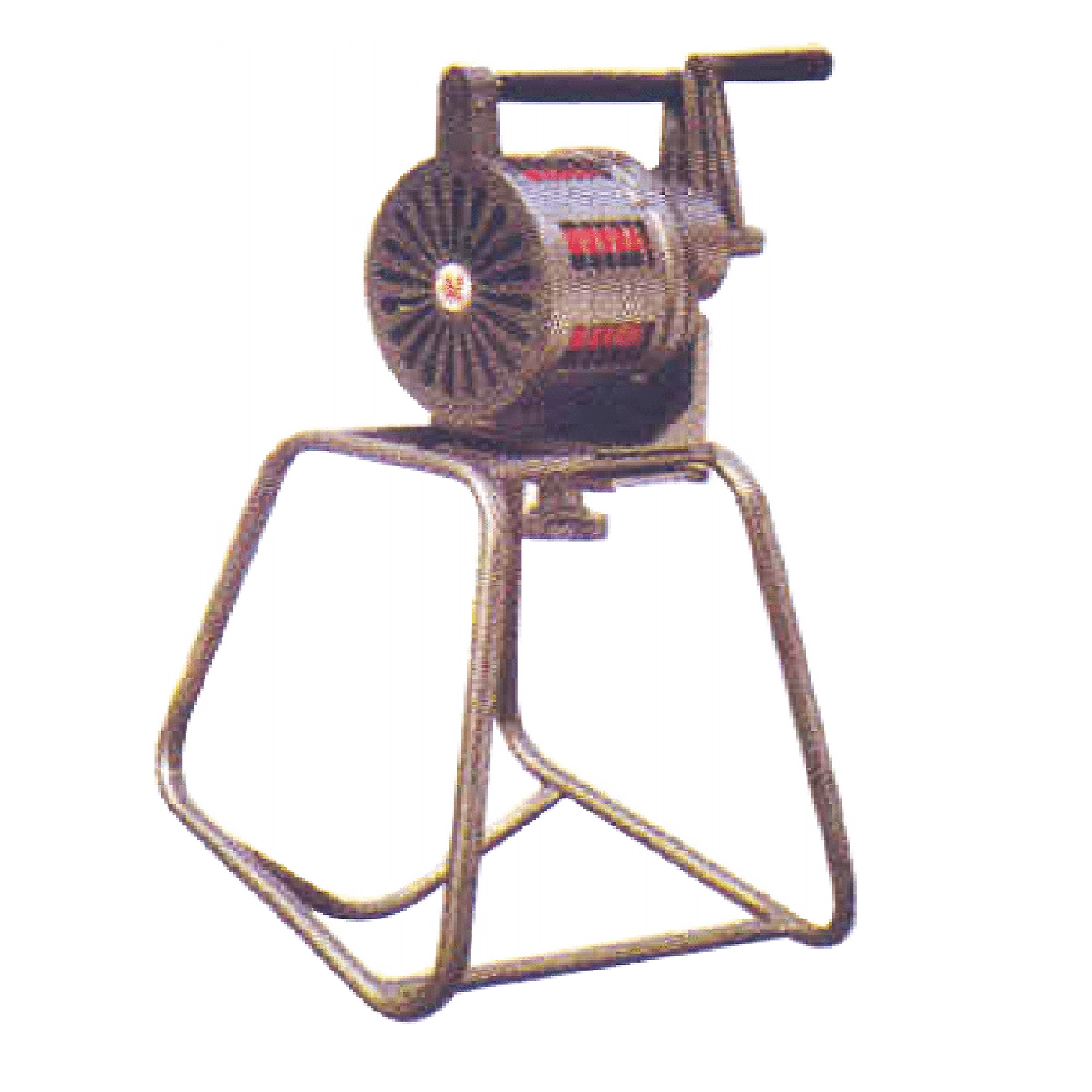 | Evacuation System LG-519B HAND OPERATED MANUAL SIREN 1 KM ₹11680 HAND OPERATED MANUAL SIREN 1 KM View product → |
What to verify after the alarm sounds
The drill record must prove more than that a manual siren operated. It must show that workers heard the warning, moved safely and were accounted for.
- Record the alarm activation time and the time the signal was heard in every zone, including production floors, enclosed rooms, toilets, stairwells, yards and high-noise areas.
- Record the time the last person reached the assembly point.
- Reconcile the head count, naming missing workers, visitors and contractors rather than recording only a total.
- Note blocked exits, delayed movement, poor audibility, failed radios, emergency lighting faults and other failed equipment.
- Assign each corrective action to a named person with a completion date.
The post-alarm check must also confirm shutdown or isolation actions, usable exit routes, assembly-point control and the method for reporting a missing person. Alarm operation alone does not prove evacuation capability.
Include hand operated siren care in the review. Follow the maker’s lubrication instructions; excess oil or grease attracts dust and can restrict the rotor, while paint, tape or covers can block sound openings. After cleaning or lubrication, run a full audible test.
A purely mechanical siren has no electrical fault monitoring, and it must not be treated as a complete fire-detection system without checking the site fire strategy, Delhi Fire Service requirements and the applicable Indian standard.
Frequently asked questions
What should you inspect before turning a manual siren?
Check that the siren is firmly mounted, free from corrosion and damage, easy to operate, unobstructed, and supported by an accessible operating area.
How do you test a manual siren across a factory site?
Operate it during a controlled test, confirm the sound at production areas, offices, toilets, stairways, exits and outdoor zones, and investigate masked or unclear signals.
How often should a manual siren be checked?
Check it before every scheduled evacuation drill and include it in the site’s routine fire equipment inspection programme. Record each check and retest after repairs.
When is a manual siren unsuitable for a factory?
It is unsuitable when no trained person can reach it quickly, machinery or hearing protection masks the sound, the site needs automatic detection, or occupants cannot reliably hear the signal.
Keywords